 Stefani Rindus
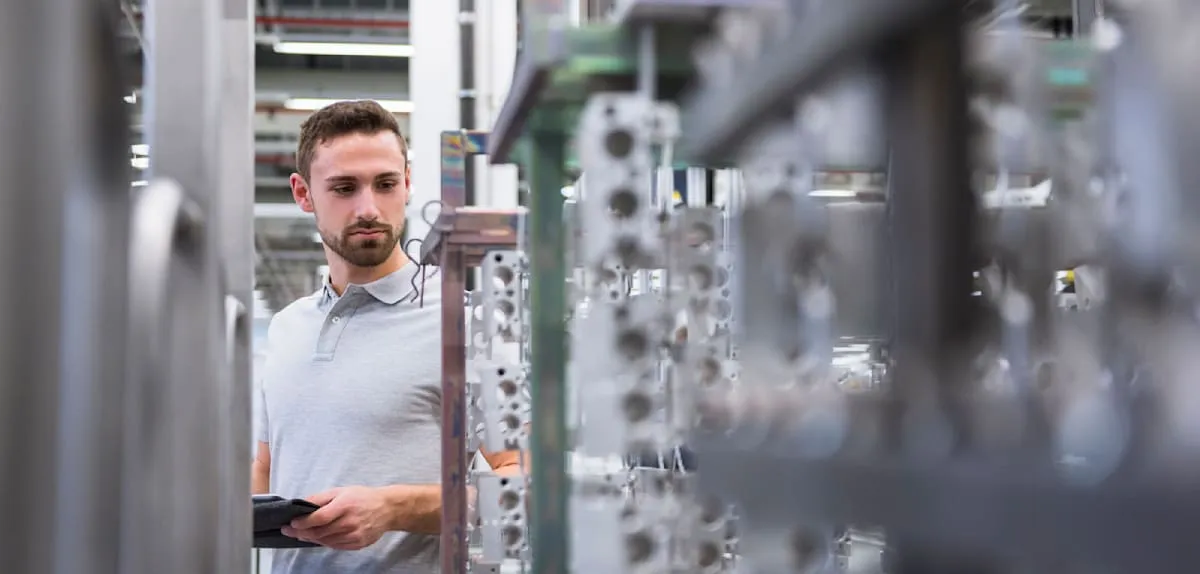
BERLIN — The German economy in 2026 faces a serious threat after a recent survey by the German Economic Institute (IW) revealed a startling fact. One-fifth of companies in the country have completely halted all their investment activities. This alarming situation, deemed 'the longest investment weakness in Germany's history,' is primarily attributed to surging wage costs and energy prices that significantly burden business operations.
The IW report starkly highlights the disruption to the business climate in Europe's economic powerhouse. The survey involved hundreds of companies from various sectors, providing a comprehensive overview of the currently stagnant investment sentiment. Business actors express deep concerns about Germany's global competitiveness if this trend continues without significant intervention.
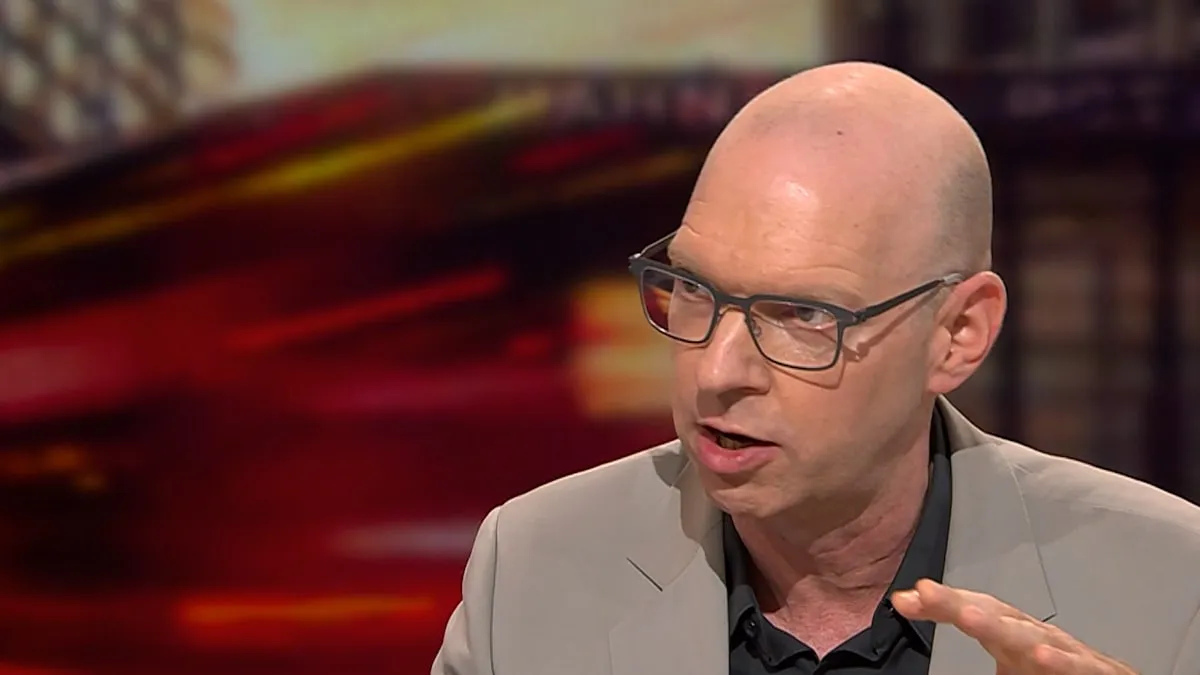
Professor Michael Hüther, Director of IW, emphasized the urgency of the situation in his statement. "This is not just a slowdown, but a veritable investment crisis. When one in five companies chooses to no longer invest, it sends a dangerous signal for long-term economic growth and innovation," he stated. Hüther added that the government needs to quickly formulate policies that can mitigate these cost pressures.
The primary cause of this investment halt phenomenon is the surge in energy costs. Germany, which has historically relied on stable and affordable energy supplies, now faces volatile and much higher prices, especially following global energy policy shifts and geopolitical dynamics in previous years. This burden directly cuts into company profit margins and limits the allocation of funds for expansion or modernization.
Beyond energy, persistently rising wage costs also constitute a dominant factor. Although wage increases are often considered positive for worker welfare, for capital-intensive and labor-intensive industries, this can reduce competitiveness, particularly if productivity does not grow proportionally. Companies are forced to choose between maintaining profits and investing for the future.
This situation is exacerbated by government policies which, in some cases, are perceived as unsupportive of the industrial sector. For instance, the recent abrupt halt of heat pump subsidies has threatened the collapse of certain industries in Germany. Regulatory uncertainty and bureaucratic burdens also add to the long list of investment hurdles.
The impact of this investment scarcity is multifaceted. Firstly, there will be a decline in innovation. Without investment in research and development, Germany risks falling behind other countries that continue to advance in technology and efficiency. Secondly, the creation of new jobs will slow down, potentially even triggering mass layoffs if companies struggle to maintain operations.
Thirdly, overall productivity will be negatively affected. Modernization of production facilities and adoption of new technologies are key drivers of productivity growth. If investment stagnates, production capacity will remain static, hindering Germany's ability to compete in global markets.
The German government under Chancellor Olaf Scholz acknowledges these economic challenges. The Ministry of Economy has established a task force to review mitigation options, including potential fiscal incentives and regulatory reforms to reduce the burden on companies. However, comprehensive and sustainable solutions remain a fierce debate among policymakers.
Economists project that if this trend is not addressed promptly, Germany risks losing its position as one of the world's leading economic powers. Revitalizing the investment climate requires a multi-sectoral approach involving constructive dialogue among the government, industry, and labor unions to find the best common ground for national economic sustainability.