 Edward DP Situmorang
BERLIN — A strong push to review Germany's climate neutrality target for 2045 has emerged from business, political, and economic circles, following a period of economic stagnation and recession that has lasted for the past six years. This demand, revealed in a WELT AM SONNTAG report, could alter the country's climate policy roadmap and spark a serious debate about the balance between environmental ambitions and economic realities.
These stakeholders are openly calling for the abandonment of the ambitious 2045 target, which previously positioned Germany five years ahead of the European Union's climate neutrality goal. Their main argument is rooted in the sluggish domestic economic conditions, highlighting significant pressure on national industrial competitiveness.
Since 2020, the German economy has experienced successive shocks, from the global pandemic to the energy crisis and persistent inflation. Recent data indicates minimal, if not negative, GDP growth over the last few quarters of 2026.
Several leading company managers assert that the cost of transitioning to climate neutrality at an accelerated pace has become an unbearable burden. Large investments in green technology, without strong economic support, are actually slowing down recovery and hindering innovation.
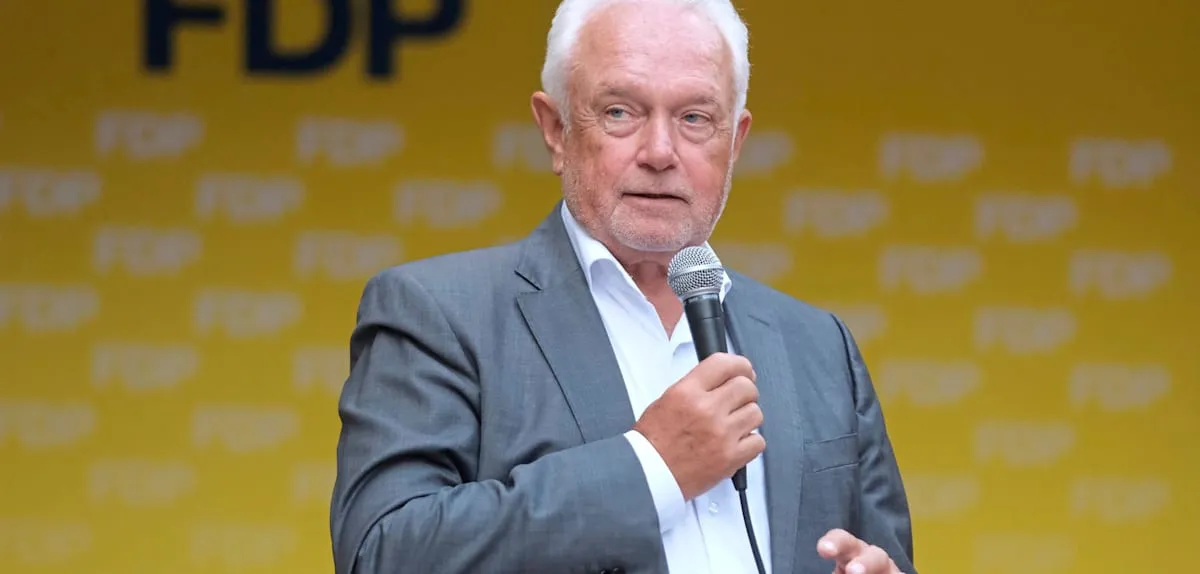
From the political sphere, several influential figures are beginning to voice doubts about the feasibility of the 2045 target. They argue that maintaining an overly strict timeline could trigger social unrest and divide public support for crucial environmental policies.
Economists consulted by WELT AM SONNTAG also emphasize the need for pragmatic realism. They suggest that the German Federal government re-evaluate its fiscal capacity and industrial capabilities in achieving such an ambitious target amidst current global challenges.
These challenges not only revolve around financing but also include stable and affordable energy supply, as well as the availability of skilled labor to implement large-scale renewable energy projects.
Germany, as one of Europe's largest economic powers, has strong environmental commitments. However, the call to postpone the 2045 target indicates a latent conflict between environmental idealism and the urgent need to stabilize economic growth.
Postponing this climate neutrality target could provide breathing room for German industry to adapt, invest on a more measured scale, and avoid the potential deindustrialization feared by some parties.
The final decision regarding the review of this target will serve as an important barometer for climate policies in other developed nations. It will illustrate the extent to which a country is willing to sacrifice short-term growth for long-term environmental goals.
The German Federal government currently faces a complex dilemma. On one hand, they must respond to business sector concerns and political pressure; on the other hand, commitments to global climate goals cannot be ignored.
Discussions about the potential adjustment of this timeline are expected to dominate Germany's political and economic agenda in the coming months, particularly leading up to budget discussions and strategic development plans.
Integrating sustainable climate policies with economic stability presents a real test for Germany's leadership on the global stage. This challenge demands a balanced approach and innovative solutions to maintain competitiveness while fulfilling environmental promises.