 Edward DP Situmorang
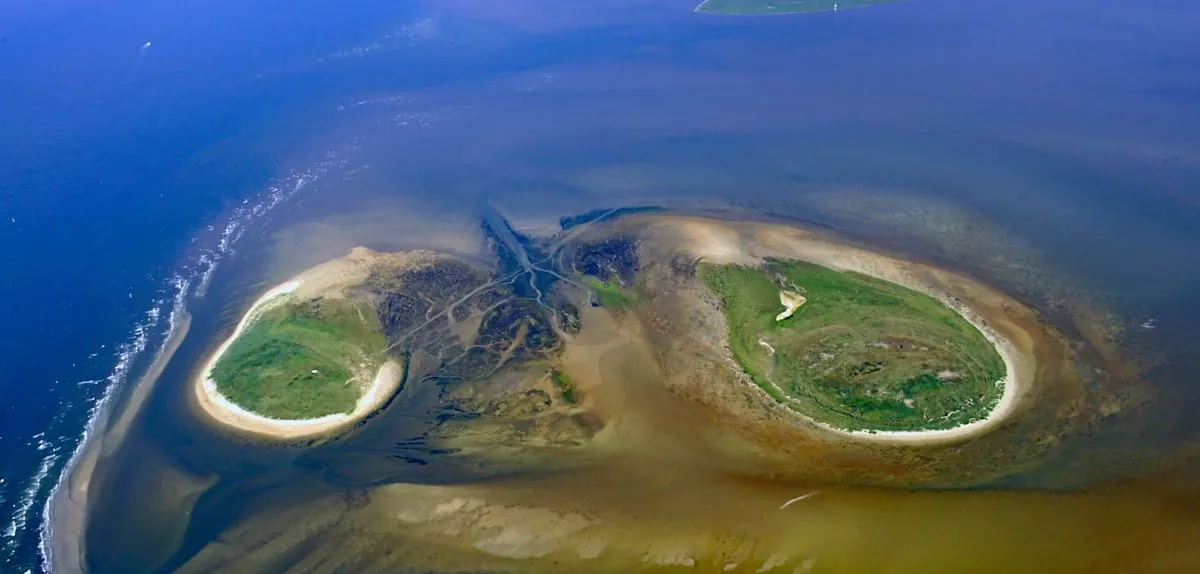
GERMANY – Far from the bustling resorts of Sylt and Rügen, Germany's coastline conceals a secret: a largely unknown archipelago of hidden islands. Some of these islets mysteriously vanish with the tide, while others serve as untouched natural reserves, and one even hosts a high-security laboratory with extremely restricted access. This unique geographical phenomenon, continuously drawing scientific attention in 2026, highlights another dimension of the nation's natural and strategic assets.
While millions of tourists flock to Germany's iconic northern beaches each year, the existence of these enigmatic islands often escapes public notice. They offer a stark contrast to the well-established marine tourism image, sparking curiosity about what lies hidden beneath the shallow waters of the North Sea and Baltic Sea.
The uniqueness of some islands stems from their ephemeral nature; at high tide, their landmass almost completely submerges, leaving only traces of resilient vegetation. This phenomenon creates dynamic ecosystems, serving as vital habitats for various migratory bird species and marine life thriving amidst the ebb and flow.
The German government has long designated several of these islands as protected areas, strictly prohibiting human activity to maintain their ecological balance. These stringent conservation policies ensure that natural beauty and biodiversity remain pristine, shielded from the impacts of modern development.
However, others serve a far more strategic and clandestine purpose. A source familiar with national security confirmed that one of these remote islands houses a high-security laboratory. The facility, operational since the beginning of this decade, is reportedly involved in cutting-edge scientific research or even functions as a specialized testing center requiring extreme isolation.
The existence of this laboratory, though not widely publicized, raises questions about the type of research conducted and its implications for global security. In 2026, with increasing biological and chemical threats, the presence of such a facility in a remote location becomes a crucial asset for Germany's scientific defense.
Access to these high-security islands is severely restricted, with strict protocols enforced by relevant authorities. Only selected personnel with special clearance are permitted to set foot there, making it one of the most secretive areas within German territory.
Marine and environmental biologists continue to study the impact of climate change on these vulnerable islands. Rising sea levels threaten their existence, accelerating erosion processes and the potential loss of unique habitats that have endured for centuries. This research is crucial for understanding regional ecological dynamics.
The opacity of information regarding most of these archipelagos only adds to their mystical allure. The general public can only imagine the hidden beauty and secrets tucked away behind the waves crashing upon their uninhabited shores.
The existence of these islands serves as a reminder that even in developed nations like Germany, many corners remain largely undiscovered, both in terms of natural wonders and tightly guarded strategic interests.
Editorial Insight: The phenomenon of Germany's hidden islands illustrates the complexity of maritime area management. Balancing ecological conservation, strategic scientific research, and potential climate change threats presents a serious challenge. Greater transparency regarding the existence of high-security facilities, without compromising operational secrecy, might be necessary to alleviate public speculation in the future. A focus on the sustainability of these fragile ecosystems must also be a top priority.