 Edward DP Situmorang
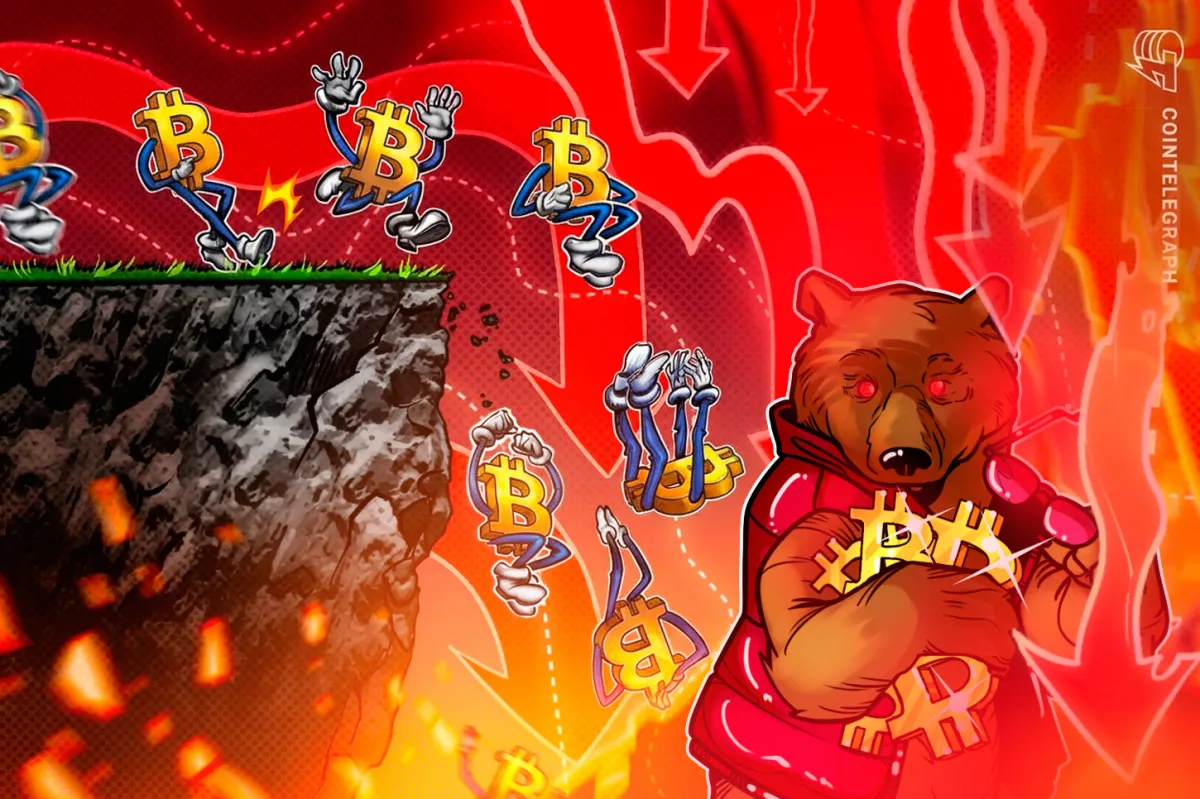
JAKARTA – The global cryptocurrency asset market experienced significant turbulence in early 2026. The price of Bitcoin, the leading digital currency, plummeted to near 62,000 US dollars, marking its lowest point in the last four months. This drastic decline indicates a deepening wave of selloff engulfing the entire crypto ecosystem.
The global market capitalization of crypto assets recorded a four percent correction within just 24 hours. This figure brought the total market value down to 2.26 trillion US dollars. This volatile price movement once again triggered concerns among investors and market observers.
This phenomenon was not limited to Bitcoin. Several other major digital assets, such as Ether and Solana, also posted significant weekly losses, reaching double digits. This condition worsened market sentiment and amplified the ongoing selling pressure.
The fall in crypto value is seen as a response to a series of unstable global macroeconomic factors in 2026. Uncertainty regarding monetary policy, persistent inflation, and continuously escalating geopolitical conditions are believed to be the primary triggers for investors' reluctance to take risks.
Investors, both institutional and retail, appear to be adopting conservative measures. Many chose to secure previous gains (profit-taking) or even minimize losses (cut-loss) by selling their assets. This created a vicious cycle of sustained selling pressure.
Volatility is certainly not new to the Bitcoin market and other crypto assets. However, this particular decline is quite notable as it occurred after a relatively stable recovery period. History shows that the crypto market is often characterized by extreme highs and lows, demanding extra caution from market participants.
In addition to macroeconomic factors, investor trust can also be eroded by security incidents or regulatory issues. Previously, the public was alarmed by cases such as that involving the South Korean crypto exchange, Coinone, where millions of user data were threatened by mass hacking. Such events, while not directly related to the price crash, can muddy market sentiment towards digital assets. (Coinone Shakes South Korea: Millions of Crypto User Data Threatened by Mass Hacking)
This sharp decline is naturally felt most by retail investors who have limited capital and are often reactive to market movements. Many face the dilemma of whether to hold onto their assets or sell them to avoid deeper losses.
Some market analysts predict that this correction could be an opportunity for long-term investors to accumulate assets at a lower price. However, many also advise further caution, given the still high potential for volatility and the not-yet-clear direction of the crypto market.
Governments and regulatory bodies in various countries continue to formulate clearer legal frameworks for digital assets. In 2026, the urgency of this regulation is increasingly felt, especially to protect investors and maintain the stability of the global financial system from the risks posed by the still relatively new crypto market.
This condition reaffirms that the digital asset market remains a high-risk investment arena requiring deep understanding and a mature strategy. Every price movement, however small, can trigger significant chain reactions.
Editorial Insight: The turmoil gripping the crypto market, with Bitcoin plummeting to a four-month low in 2026, serves as a stark reminder of the inherent volatility of digital assets. While some view this as an opportunity, our editorial team emphasizes the importance of more comprehensive investor education. Global regulators need to act swiftly and harmoniously to create a safer and more transparent ecosystem, without stifling innovation. Without a robust framework, the crypto market will continue to be an enigmatic field where wealth can be created or vanish in an instant.