 Angela Stefani
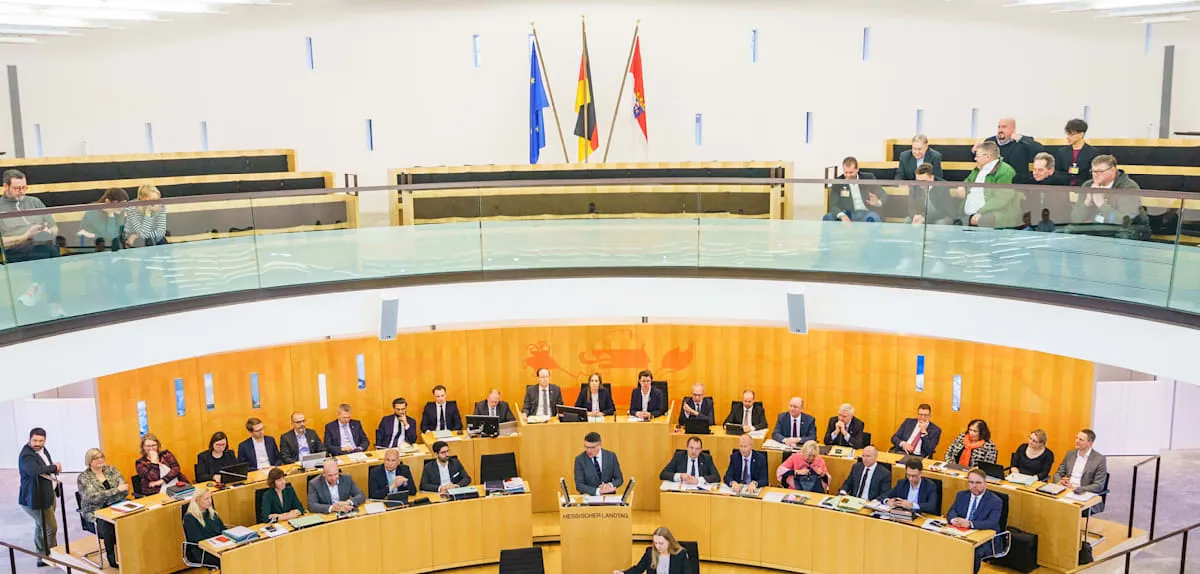
HESSEN — The German public, particularly in the state of Hessen, is abuzz with the phenomenon of a "recess parliamentarian" in 2026. Martin-Benedikt Schäfer, a local politician, is confirmed to take a seat in the Hessen Landtag for several weeks, yet without attending any regular plenary sessions. Ironically, he remains entitled to full allowances and salary, sparking a wave of harsh criticism from opposition factions.
The controversy arose when it was revealed that Schäfer would fill a vacant position during a period coinciding with the parliament's summer recess. Although he will only be active for a short time and technically not involved in legislative decision-making, his position still comes with full remuneration from the state budget.
According to local media reports circulating in mid-2026, Schäfer's appointment is a replacement for a resigning member of parliament. However, the very specific timing of his appointment, just before the parliament's long break, raises significant questions about the effectiveness and ethics of using public funds.
Spokespersons for opposition parties, such as the Green Party or SPD, have openly condemned the situation. They labeled Schäfer's case as "money for doing nothing" and called for urgent reforms to parliamentary membership and replacement rules.
"This is a slap in the face for every taxpayer in Hessen," said an opposition faction member in an interview. "How can a public official receive a full salary when he is clearly not carrying out his legislative duties? This system must be re-evaluated immediately."
Martin-Benedikt Schäfer himself, through his representatives, stated that he is merely following existing procedures. He asserted that every serving member, regardless of the duration or timing of their assignment, is entitled to financial rights according to applicable laws.
However, this argument failed to quell the wave of public dissatisfaction. The issue quickly spread on social media and became a hot topic of debate regarding transparency and accountability of politicians in Germany. This is especially pertinent amid global economic challenges that are still felt in 2026.
Constitutional law experts from Frankfurt University also highlighted the legal loopholes that allow such situations to occur. "While legally permissible, ethically this is highly questionable," explained Professor Klaus Richter. "There needs to be a review of regulations to avoid any impression of abuse of office."
This "recess parliamentarian" scandal adds to the growing list of issues eroding public trust in political institutions. Previously, several similar cases, though in different contexts, also shook public confidence in political systems in various European countries. For instance, the issue of the European Parliament's investigation into the ESN Party also sparked intense debate.
Authorities in the Hessen Landtag are expected to provide comprehensive clarification soon and propose concrete steps to prevent similar cases from recurring in the future. Public and opposition pressure is expected to continue to mount until an adequate response is provided.
Reform of the parliamentary member replacement mechanism and transparency in budget utilization are now key demands. The public awaits commitment from the Hessen state government to uphold the integrity of the legislative body and ensure that all public funds are used responsibly.
This incident also serves as an important reminder for policymakers about how sensitive issues related to politician allowances and privileges are in the eyes of the public, especially as citizens face various economic and social challenges.
This debate also mirrors discussions around political conflict in Germany regarding Sunday shop opening hours, where economic and social interests often clash with existing regulations, leading to societal polarization.