 Debby Wijaya
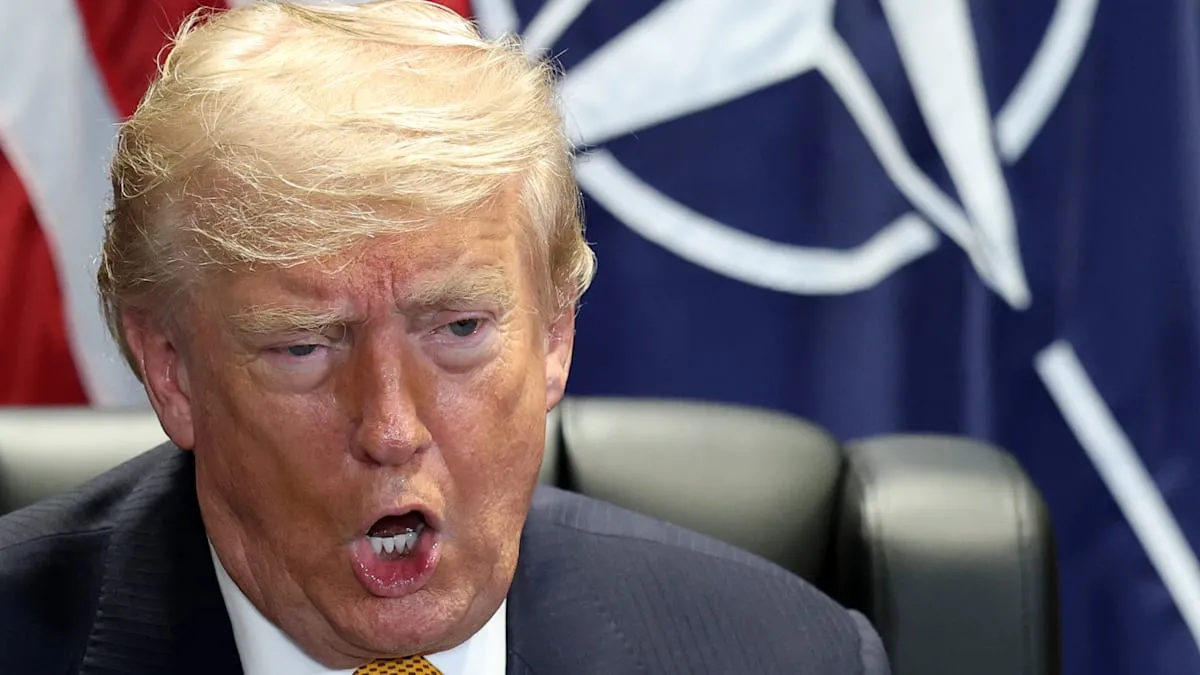
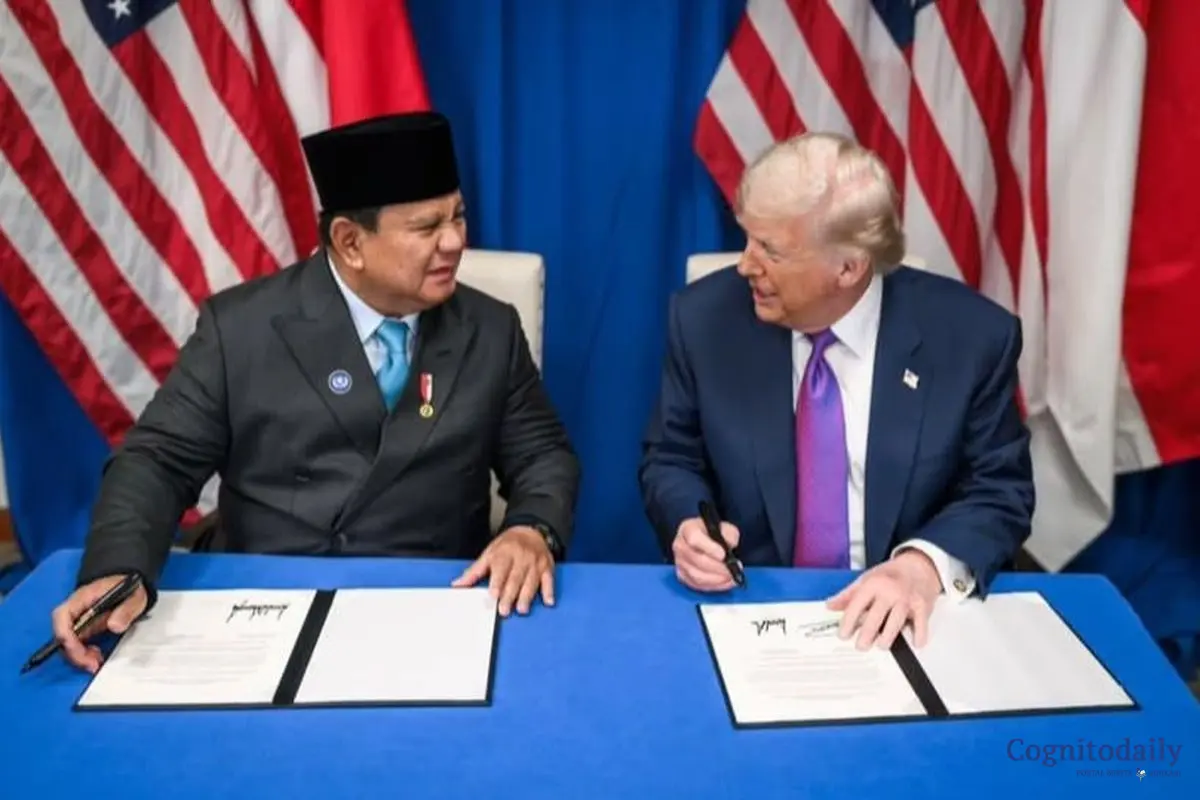
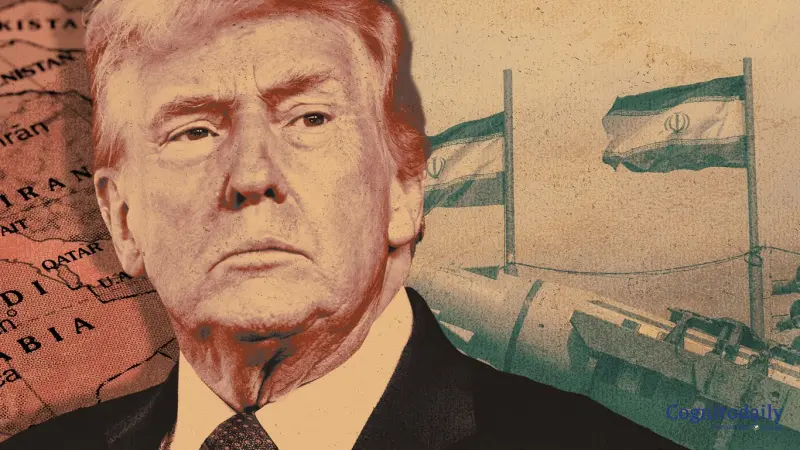
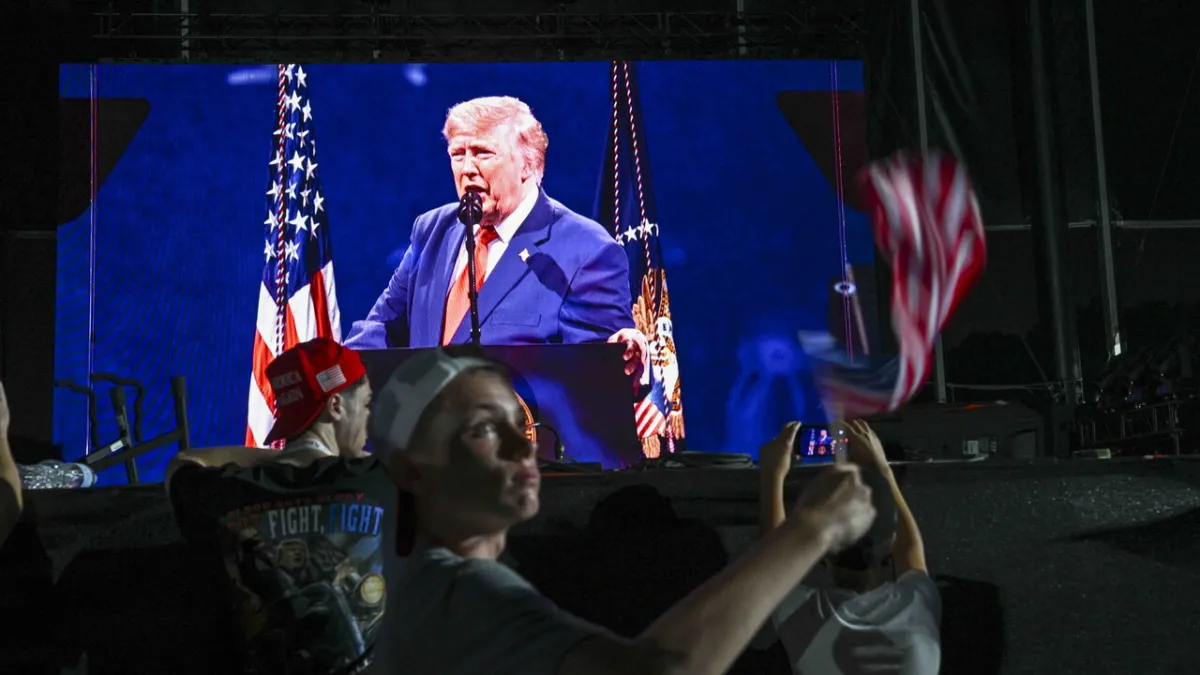
ANKARA — US President Donald Trump is accused of holding a profoundly negative ideological view towards European nations, labeling them 'security parasites'. This assessment comes from military expert Gustav Gressel following Trump's 'furious' and 'emotional outburst' appearance at the recent 2026 NATO Summit in Ankara, Turkey. This confrontational stance raises serious concerns about the future of the transatlantic defense alliance.
According to Gressel, an in-depth analysis indicates that the anger displayed by President Trump is not merely a momentary reaction but an integral part of his ideological mindset. This attitude has shaped his policy towards Europe for years and has now resurfaced dramatically in an international forum as important as the NATO Summit.
European leaders at the Summit reportedly faced significant pressure from Trump. The US President repeatedly voiced his dissatisfaction with the financial contributions of European member states to the alliance, demanding they meet agreed-upon defense spending targets.
The harsh statement labeling Europe as 'security parasites' clearly reflects Trump's belief that many European countries have not borne their fair share of the burden in maintaining collective security. He perceives that the United States has expended too many resources to protect its allies, while Europe is deemed to be under-investing in its own defense.
This view is not new in Trump's political rhetoric. Since his first term, he has consistently criticized NATO member states that fail to meet the two percent of gross domestic product (GDP) defense spending commitment. Such criticisms often come with threats to reduce US support for NATO.
Naturally, this severe criticism has evoked diverse reactions from European leaders. Some attempted to de-escalate tensions by emphasizing their commitment to NATO, while others may have felt cornered by the accusations. This dynamic highlights the fragility of unity within the alliance.
The situation is exacerbated by an increasingly complex global geopolitical context in 2026, including tensions in various regions and rising cybersecurity challenges. Solidarity and coordination among NATO members are becoming even more crucial, yet they are being eroded by the US President's rhetoric.
Some political observers argue that Trump's rhetoric is deliberately designed to divert attention from US domestic issues, or as a negotiation strategy to secure greater concessions from European allies. However, whatever the motive, the impact on transatlantic relations is very real and disturbing.
Gressel's analysis also emphasizes that understanding this 'ideological mindset' of Trump is crucial for Europe to formulate an effective response. Without a deep understanding, diplomatic efforts may not achieve the desired results and will only exacerbate existing friction.
This incident at the Ankara Summit recalls similar past tensions. As revealed in our related article, "Trump Shakes NATO: Europe Threatened If It Ignores Ankara 2026 Warning", the potential threat to Europe from Trump's stance is indeed real and needs to be taken seriously by NATO member states.
European governments are now facing a strategic dilemma: how to address Trump's demands without compromising sovereignty or the principles of the alliance. This requires careful diplomacy and effective communication strategies to maintain regional and global stability.
The future of NATO and European security architecture stands at a crossroads. With President Trump becoming increasingly vocal about his views, European member states must unite and find collective solutions to ensure the alliance remains relevant and effective in addressing future challenges.