 Demian Sahputra
KATHMANDU – Nepal was struck by a deadly flash flood disaster in early 2026, which the U.S. Geological Survey (USGS) has now definitively confirmed resulted directly from a glacier collapse in the Himalayan mountainous region. This phenomenon unleashed a colossal debris flow, leading to catastrophic consequences for downstream valleys, sweeping away settlements and vital infrastructure.
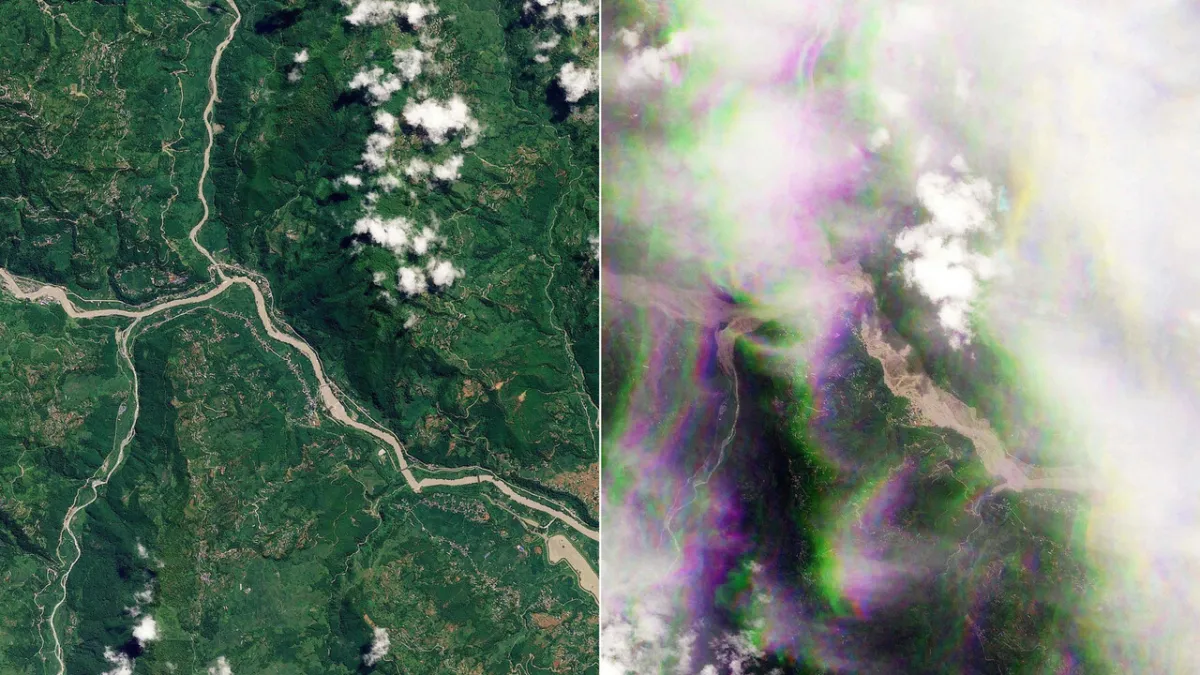
Initial reports from the ground described widespread devastation. Based on satellite imagery analysis and seismic data, USGS geological experts concluded that a massive ice and rock mass detached, then moved down the slopes at extreme speed. This geological event rapidly altered the contours of river valleys, exacerbating the scale of the already unfolding disaster.
This event is not merely an ordinary overflow of water, stated a hydrology expert from Tribhuvan University, Kathmandu, who wished to remain anonymous. It is a combination of hydrological and geological explosions that erode everything. The glacier collapse triggered a glacial lake outburst flood, releasing an enormous volume of water and solid material abruptly.
The impact on downstream regions was severe. Reports from various international media outlets, including ANSA journalists on site, depicted a harrowing atmosphere. Main roads were cut off, bridges collapsed, and villages became isolated. Long queues of vehicles, extending up to 16 hours, were reported at border points and evacuation routes, indicating crippled accessibility.
This disaster also sparked deep international concern, especially regarding the disappearance of hundreds of foreign tourists in the affected area. Initial data from Kathmandu indicated over 500 tourists were reported missing. Among them, particular attention focused on two Italian nationals, including a gold artisan from Rapallo, who remain unaccounted for, causing a wave of anxiety in their home country.
Search and rescue efforts are ongoing, despite being hampered by difficult terrain and extreme weather. Helicopters and ground rescue teams have been deployed to reach remote affected areas. In-depth reconstructions by disaster experts demonstrate how the flash flood explosively struck the valleys, leaving a trail of unimaginable destruction.
The phenomenon of glacier collapse is not new in the vulnerable Himalayan region. Scientists have long warned of the potential for Glacial Lake Outburst Floods (GLOFs) due to global warming accelerating the melting of perennial ice. Rising average temperatures cause glaciers to recede and form new, unstable lakes, which are at risk of bursting at any time.
The Nepalese government, along with international aid organizations, rushed to provide emergency assistance. Top priorities include the distribution of food, clean water, temporary shelter, and medical services for thousands of displaced residents. Logistic challenges are exacerbated by severely damaged infrastructure.
The increasing intensity and frequency of natural disasters in the Himalayas highlight the urgency of global action against climate change. This region, often referred to as the 'third pole' of the world, holds the largest ice reserves after the Arctic and Antarctic, making it a crucial barometer for the planet's climate health.
While USGS experts have identified the primary cause, questions about future prevention and mitigation remain a focus. Investment in better early warning systems, the construction of disaster-resilient infrastructure, and cross-border regional cooperation are becoming critically important.
This crisis also illustrates how countries like Nepal, with minimal carbon emission contributions, are disproportionately suffering the worst impacts of global climate change. This fuels calls for climate justice and greater support from industrialized nations.
This tragedy also reignites discussions about the fate of hundreds of missing foreign tourists, an issue that has been a focal point since the devastating floods in Nepal-Tibet some time ago. Coordination among the governments of Nepal, China, and the tourists' home countries is key to resolving this mystery.
Editorial Insight: This disaster in Nepal is not just a local news story; it is a stark reflection of an increasingly urgent global climate crisis. Glacier collapse and massive debris flows serve as an alarm for the international community to accelerate the transition to clean energy and increase adaptation funding for vulnerable nations. Failure to act collectively will mean more similar tragedies in the future, with untold impacts on lives and ecosystems.