 Robert Andrison
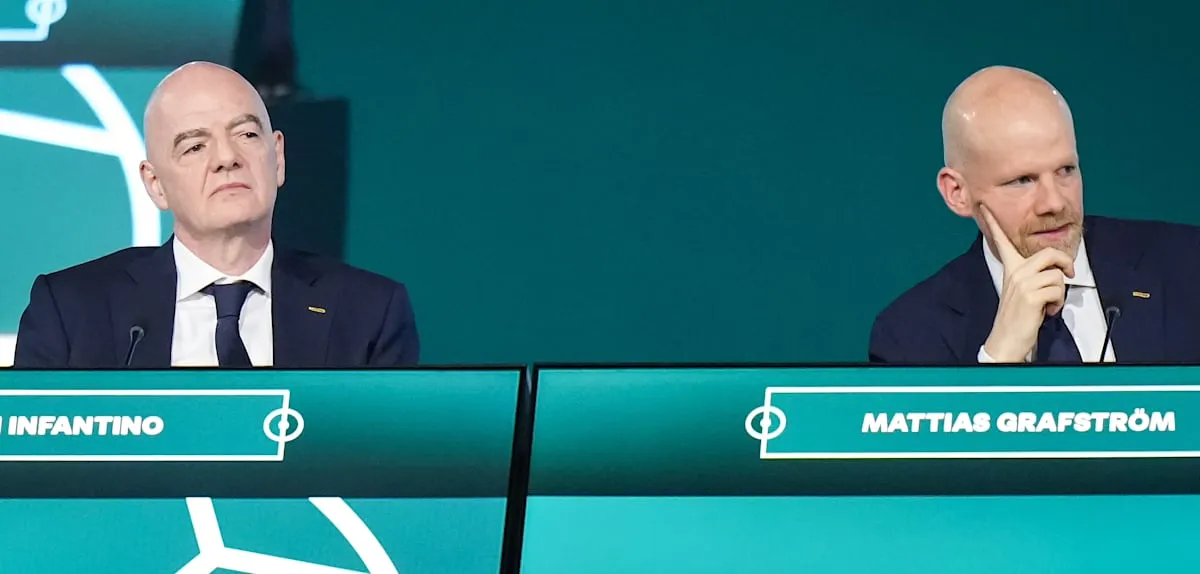
ZURICH – Gianni Infantino's future as President of the International Federation of Association Football (FIFA) has once again come under intense scrutiny after a former colleague doubted his ability to run for re-election in the 2027 presidential vote. This skepticism emerges amidst reports that Infantino is "extremely battered" despite internally managing to close ranks on several leadership issues. This harsh statement adds to the long list of challenges faced by the head of the global football organization.
Infantino, who has led FIFA since 2016, has faced a period full of upheaval and criticism, particularly concerning reforms and transparency within the organization. Although internal sources indicate he has successfully "closed ranks" and reunified the leadership, public perception and stakeholders continue to see him under immense pressure.
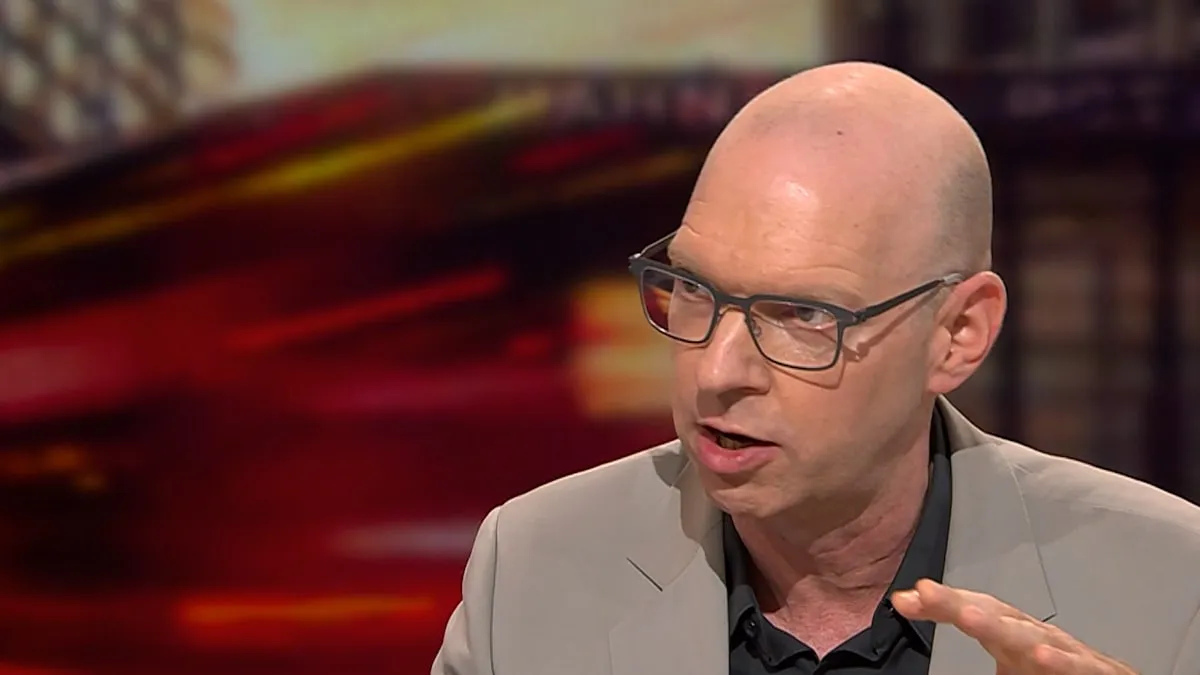
The former colleague, who chose to remain anonymous to maintain professional relations, expressed concerns in an exclusive interview. "I truly cannot imagine Infantino will run again in the next election," the source stated, delivering a significant blow to the president's credibility and confidence.
These comments suggest that despite efforts to ease internal tensions, the impact of various controversies and public criticism of Infantino's leadership is increasingly burdensome. Issues ranging from the World Cup schedule, human rights, to FIFA's financial structure have frequently been targets of criticism from various parties.
This tension is not new. Previously, FIFA was also rocked by a boycott threat from UEFA regarding the 2026 World Cup. The boycott threat highlighted deep friction between continental federations and the global football governing body concerning format and profit distribution.
Since taking over from Sepp Blatter, Infantino indeed promised a new era of transparency and integrity. However, his ten-year tenure has been marked by various polemics, from issues related to the 2022 World Cup in Qatar to plans for new tournament developments that sparked fierce debate.
Criticism also frequently comes from activists and non-governmental organizations who highlight the lack of significant progress on human rights issues in host countries for FIFA events. This remains a moral burden that constantly haunts every policy and decision made by Infantino.
The next FIFA presidential election is scheduled for 2027. If Infantino decides not to run, this will open a new chapter in FIFA's leadership history. The succession battle will likely attract global attention and bring forth new names ready to lead the organization.
Several regional football federations, especially from Europe and South America, are reportedly conducting internal explorations regarding potential candidates. They are seeking a figure capable of restoring FIFA's image, strengthening collaboration with member federations, and navigating the complexities of the modern football landscape.
Despite facing such immense pressure, Infantino has consistently shown resilience publicly. He often emphasizes the importance of unity in football and his vision to make the sport more inclusive and global. However, this whisper from a former colleague reveals a vulnerability that might not be apparent on the surface.
Speculation about potential successors will intensify in the coming months. Names such as presidents of major federations or international sports figures could emerge as contenders. All eyes will be on how FIFA will proceed under the shadow of this uncertainty.
Editorial Insight: The doubt expressed by a former colleague regarding Gianni Infantino's re-election bid in 2027 is a strong signal that the pressure on the current FIFA President has reached a critical point. While Infantino is known for skillfully de-escalating internal turmoil, external perceptions and persistent criticism demand greater accountability. This situation not only threatens Infantino's position but also has the potential to trigger a wave of reforms or significant changes in global football governance. The 2027 election will be decisive for FIFA's future image and independence.