 Angel Doris
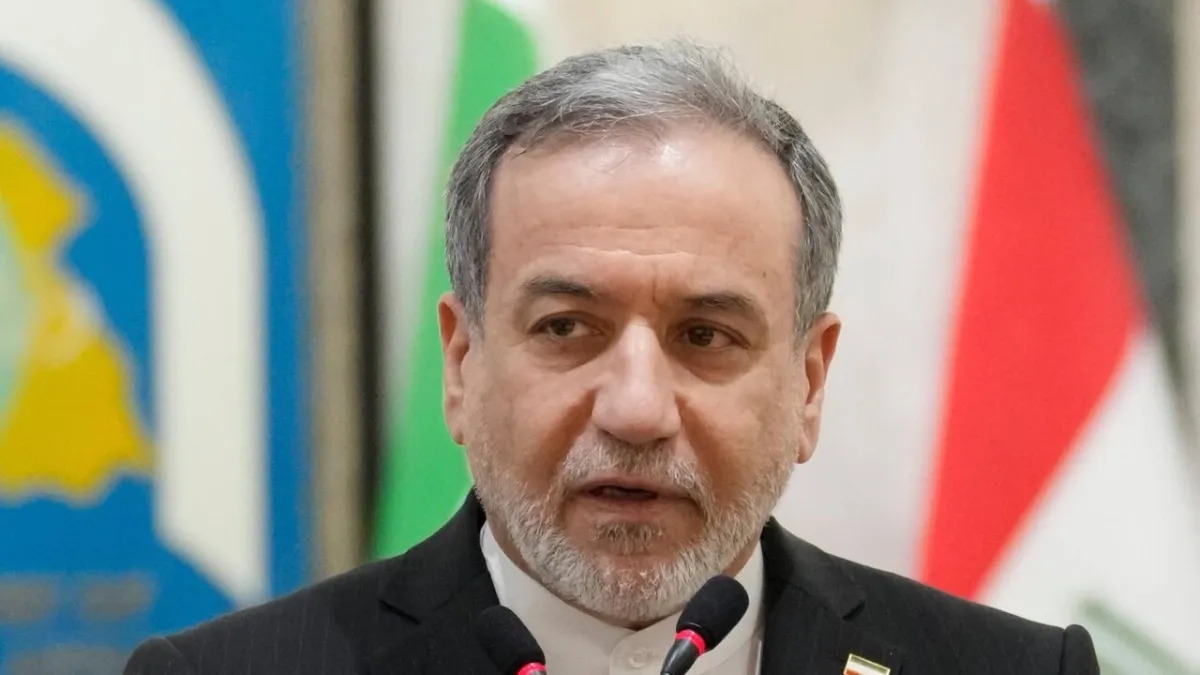
Tehran — Iran has formally accused the United States of violating a ceasefire agreement previously reached by both parties. This accusation was made by Araghchi, a high-ranking Iranian official, in 2026, stating that the US Secretary of the Treasury is specifically the party not adhering to the pact, sparking renewed concerns about an escalation of diplomatic and economic tensions between the two nations.
Araghchi's statement comes amidst global efforts to stabilize the region and mitigate conflict risks. The ceasefire in question, though its details are not fully disclosed to the public, is believed to be linked to de-escalation measures aimed at reducing military tensions and economic sanctions that have long burdened bilateral relations.
Iran asserts it has fulfilled all its commitments under the agreement. "We have kept our word with the United States regarding the ceasefire," Araghchi stated, without providing further specifics on the nature of the pledge, but his tone implied deep disappointment with Washington's response.
The focus of Araghchi's accusation is directed at the US Department of the Treasury Secretary. According to him, actions taken by this institution directly undermine the integrity of the agreement. This indicates that the violation likely takes the form of implementing or enforcing new economic sanctions, or a failure to lift sanctions that were supposed to be removed.
This situation is reminiscent of past Iran-US dynamics, where agreements were often marred by accusations of violations and mistrust. The history of tension between the two countries has recorded various incidents, including Iran's unimaginable retaliatory threats in the context of a previous administration, demonstrating a recurring pattern in diplomatic upheavals.
The United States administration in 2026, which has underscored the importance of multilateral diplomacy, is now under pressure to respond to these serious allegations. International analysts highlight that Washington's credibility on the global stage could be affected if the accusations of agreement violation prove true or are not handled transparently.
Geopolitical observers fear that this incident could derail tentative progress towards more constructive dialogue between Tehran and Washington. Difficult discussions, which had briefly shown a glimmer of hope for resolution, now risk returning to a standstill.
Iran's Foreign Minister, who has not yet issued an official statement on the matter, is expected to release Tehran's stance more comprehensively soon. Behind-the-scenes diplomatic communications are believed to be intensely ongoing, seeking clarification and solutions to avoid unwanted escalation.
This condemnation from Iran also has the potential to impact global oil markets. Political uncertainty in the Middle East often leads to fluctuations in energy prices, and heightened tensions between major oil producers like Iran and significant economic powers like the United States can create significant volatility.
The international community, including the UN and the European Union, will likely call on both parties to exercise restraint and return to the negotiating table. Maintaining regional and global stability is a top priority, especially given other complex challenges facing the world in 2026.
Tehran's next steps will be crucial. Will they take more assertive retaliatory actions, or will they opt for a more patient diplomatic path while demanding accountability from Washington? This decision will determine the direction of relations between the two countries in the coming period.
Iran's open publication of this information could also be an attempt to rally international support, putting the United States on the defensive. This is a frequently used tactic in diplomatic narrative warfare, where public perception can play a significant role in the outcome of negotiations.