 Chris Robert
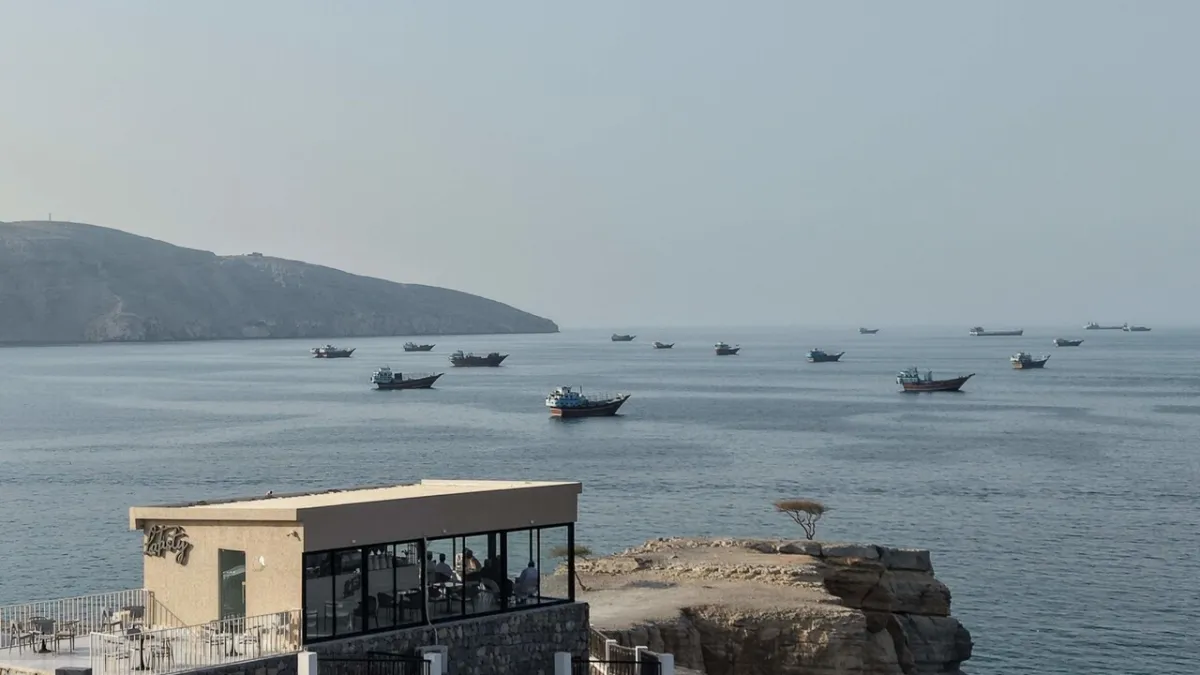
TEHRAN – Geopolitical tensions in the Persian Gulf region have reignited after Tehran explicitly stated the Strait of Hormuz would remain closed to international maritime traffic if the United States fails to meet all of Iran's demands. This declaration follows proposals from Washington, which apparently have not satisfied Iran.
The firm stance was delivered by Mohammad Bagher Ghalibaf, a senior Iranian figure, who asserted that his country would no longer waste time with unilateral requests. Iran will fight and negotiate, Ghalibaf stated, highlighting Tehran's dual approach to regional dynamics.
This crucial situation places one of the world's most vital oil shipping lanes on the brink of uncertainty. The Strait of Hormuz is a strategic choke point, through which approximately one-fifth of the total global oil supply and one-third of the world's liquefied natural gas transit.
The threat of closing this vital strait is not a new tactic from Tehran. Iran has often used the Hormuz card as leverage in nuclear negotiations or when facing economic sanctions from Western powers.
President Donald Trump's administration in the United States has reportedly put forward a series of proposals to de-escalate tensions. However, the details of these proposals have not been widely disclosed, leaving room for speculation about their substance and the level of compromise offered.
Iran insists that any agreement must be comprehensive, not just focused on specific issues, but also include the lifting of economic sanctions and guarantees for regional security. The closure of Hormuz is viewed as a primary leverage to achieve these objectives.
This crisis could significantly impact global energy prices, given the large volumes of oil and gas that pass through the strait. Supply disruptions in the Middle East frequently trigger increases in international crude oil prices.
Analysis by geopolitical observers indicates that Iran is attempting to build a stronger negotiating position. Ghalibaf's statement reflects a paradigm shift, from a reactive approach to a more proactive one in asserting its rights and interests.
Nevertheless, a total closure of the Strait of Hormuz would provoke a strong response from the international community, particularly from countries heavily reliant on energy supplies from the Persian Gulf. The risk of military escalation in the region cannot be ignored.
Washington, under President Trump's leadership, will likely maintain diplomatic and economic pressure. However, Iran's threat to Hormuz compels the US to reconsider its long-term strategy in the region.
The world awaits further developments in the protracted negotiations between Tehran and Washington. The success or failure of these talks will determine the stability of global energy supply and maritime security.
Editorial Insight: Iran's resolute stance on the Strait of Hormuz is more than mere rhetoric; it is a calculated strategic move to maximize pressure on the United States. By controlling this vital passage, Tehran aims to dictate more favorable negotiation terms, especially concerning the lifting of sanctions and recognition of its regional influence. The potential global economic impact, particularly on energy markets, is substantial and could trigger widespread turbulence should this deadlock persist without a peaceful resolution.