 Dodi Irawan

ROME — The latest indicators from the Italian National Institute of Statistics (Istat) for July 2026 highlight a striking divergence in national economic sentiment. Consumer and business confidence, in aggregate, recorded substantial gains, sending positive signals for the economic outlook. However, the construction sector saw a decline in its confidence index, suggesting ongoing challenges for one of Italy's economic pillars.
This surge in consumer confidence is driven by improved perceptions of both personal finances and the national economy. Italian citizens feel more optimistic about their purchasing power amid price stability and controlled inflation expectations. This is welcome news for the retail and service sectors, which heavily rely on household spending.
Not only consumers, but businesses across various manufacturing and service sectors also expressed a more positive sentiment. This increased confidence is reflected in more aggressive investment plans and improved recruitment prospects. Companies are seeing opportunities for broader market growth and sustained demand volumes.
However, this narrative of optimism is not uniformly applied across all economic lines. The construction sector, traditionally a key indicator of economic health, experienced a significant drop in confidence during the same month. Contractors and developers voiced concerns over persistently rising material costs and labor supply constraints.
This decline cannot be ignored given the vital role of the construction sector in job creation and infrastructure development. This data even recalls several structural incidents that have occurred, such as the tragedy in Messina, which underscores the importance of the stability and resilience of this sector.
Economists analyze that despite the general wave of optimism, the construction sector may be grappling with the cumulative effects of stricter environmental policies and slow approval of new projects. Expected public investments have also not been fully realized, slowing down much-needed momentum.
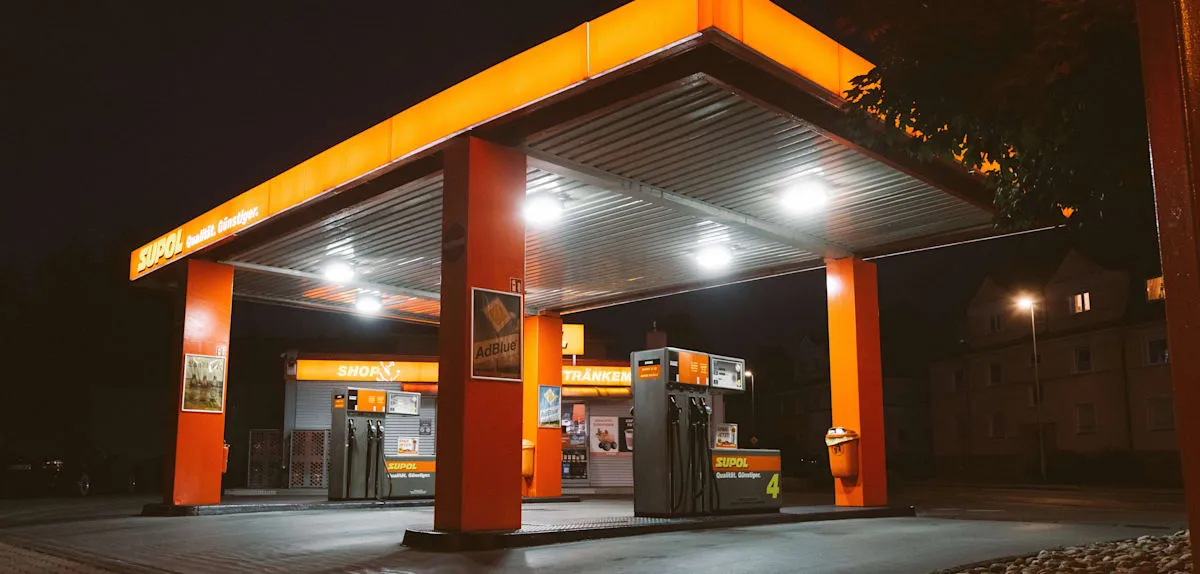
Furthermore, global energy price pressures and fuel price fluctuations remain a shadow impacting operational cost calculations. This situation, as it once triggered a rise in fuel prices in Italy, indirectly burdens construction project budgets.
The Italian government faces a dual task: maintaining the momentum of consumer and business confidence while designing appropriate interventions to support the construction sector. Fiscal incentive policies and bureaucratic simplification could be key to unlocking investment bottlenecks in this sector.
Further analysis from Istat shows that regional differences also play a role. Areas with stalled major infrastructure projects tend to show gloomier construction sentiment compared to areas active in residential development.
Overall, the July 2026 data paints a complex picture of the Italian economy: increasing optimism on one hand, but accompanied by structural challenges requiring urgent attention. How the government responds to these divergent sentiments will determine the direction of Italy's economic recovery in the second half of the year.