 Dodi Irawan
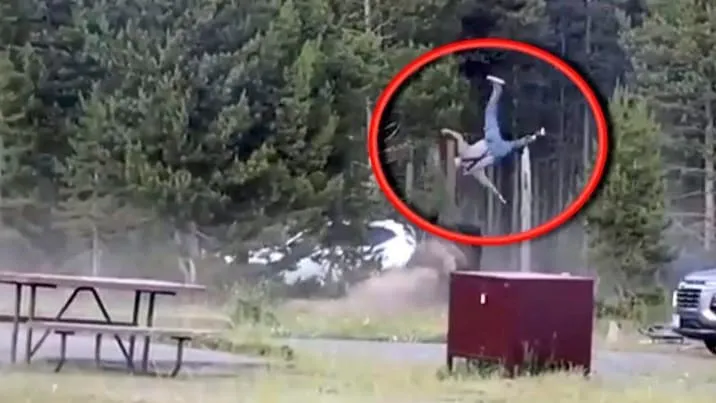
YELLOWSTONE — An amateur video recording depicting an adult bison aggressively charging in a public area of Yellowstone National Park recently went viral, sparking serious concerns from conservation authorities and the public. This incident, recorded in early 2026, highlights the dangers of human-wildlife interaction and reinforces calls for compliance with safety regulations in natural habitats.
The short video shows a large male bison suddenly lunging towards a group of visitors who were too close, causing panic and dramatic evasive maneuvers. Fortunately, there were no reports of serious injuries from the event, but the visuals are enough to underscore the potential threat tourists face.
Yellowstone National Park spokesperson, Maya Henderson, expressed deep concern over the incident. “We constantly educate visitors about the importance of maintaining a safe distance from wildlife, especially large and potentially dangerous species like bison,” she stated. Henderson added, “2026 marks a significant increase in visitor numbers, and with that, the need to raise awareness of safety protocols becomes even more crucial.”
Wildlife behavior experts explain that bison, although they may appear docile, can become highly aggressive, particularly when feeling threatened or during mating season. Bison can run at speeds of up to 56 kilometers per hour (35 miles per hour), making them extremely dangerous if approached carelessly. This video serves as a stark reminder of these animals’ power and unpredictable nature.
Similar incidents have occurred several times in Yellowstone and other national parks. Data shows that bison are responsible for more visitor injuries in the park than any other wild animal, including bears. This indicates a pattern where human encroachment often triggers the animals’ defensive behavior.
Park authorities strictly require visitors to maintain a minimum distance of 23 meters (25 yards) from bison and elk, and 91 meters (100 yards) from bears and wolves. Violations of these regulations not only endanger individuals but can also incur substantial fines.
The use of monitoring technology, including high-resolution surveillance cameras and drones, is now being intensified at several strategic points within the park. The aim is to detect potential conflicts early and alert officers to take preventative action.
The public is urged to be more judicious in interacting with natural environments. Presence in the wild carries a responsibility to respect the habitat and natural behavior of wildlife. This video of the charging bison is hoped to be a valuable lesson for every individual.
Although the incident sparked intense debate on social media about park safety, authorities assure that mitigation measures are continuously being strengthened. The primary goal is to maintain a balance between an unforgettable tourist experience and optimal wildlife conservation.
The “teaser for an angry bison” video is not merely a spectacle but a profound reflection on human-nature coexistence. Lessons from this incident must serve as a foundation for increasing awareness and safety practices, for the sustainability of ecosystems and the safety of visitors in the years to come.