 Chris Robert
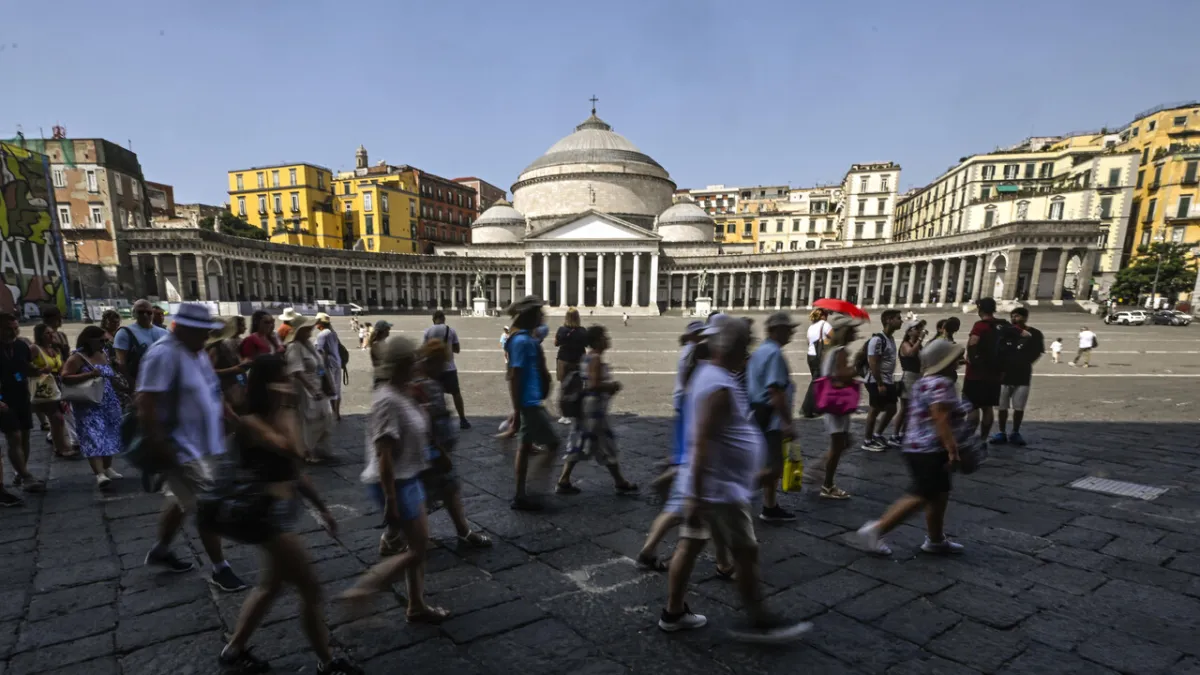
ROME — Italy is currently facing a contradictory extreme weather phenomenon, splitting the nation into two distinct climatic zones. The central and southern regions remain trapped in a prolonged, scorching heatwave, while the northern part braces for a series of severe thunderstorms predicted to bring a drastic drop in temperatures starting Tuesday, January 27, 2026.
This phenomenon marks a dramatic shift in Italy's weather patterns, with hot air masses from North Africa still pumping heat into the southern Mediterranean, while a cold front from the Atlantic approaches the Alpine Peninsula.
The Italian National Meteorological Agency has issued early warnings regarding this situation. The news lede underscores the urgency for citizens and authorities to prepare for the potentially serious impacts of these extreme climatic changes.
In the Centro-Sud region, thermometers are projected to still show readings above 35 degrees Celsius on Monday, January 26, 2026. Cities such as Naples, Palermo, and Rome are experiencing uncomfortable days, with an increased risk of dehydration and heatstroke, especially for vulnerable groups.
Conversely, in Lombardy and Piedmont, the clear skies that dominated last week will soon be replaced by thick clouds and heavy rain. Thunderstorms are expected to strike mountainous and low-lying northern areas, bringing strong winds and the potential for localized flash floods.
A significant temperature drop is predicted to occur from Tuesday, January 27, 2026, across the entire northern region. Some areas are even expected to experience a decrease of up to 10-15 degrees Celsius in less than 24 hours, ending the period of anomalous warmth previously felt.
By Thursday, January 29, 2026, weather forecasts indicate that this severe weather system will not be confined to the north. Maltempo, or bad weather, is projected to extend to the Meridione region, bringing rain and temperature drops to areas previously suffering from the heatwave.
Local authorities have activated emergency response procedures, particularly in the northern regions vulnerable to storms. Regional governments remind the public to be aware of slippery road conditions, fallen trees, and potential power outages due to the extreme weather.
This event recalls the brutal ice storm that once hit Milan in the previous year, triggering similar concerns about infrastructure damage and public activity disruptions. At that time, a major concert was cancelled and dozens were injured.
Italian climatologist, Professor Luca Rossi, stated, “The increasing frequency of these extreme weather patterns is a clear manifestation of climate change. We must invest more in early warning systems and more resilient infrastructure.”
Agricultural sectors, especially in the south which rely on stable weather, face a dual threat. Heatwaves can damage crops, while subsequent widespread storms can destroy remaining harvests.
The central government, through the Civil Protection Department, has coordinated efforts at the regional level, ensuring logistics supplies and the readiness of rescue teams. The public is urged to follow the latest information from official channels and avoid non-essential travel when the weather deteriorates.
Tourists planning to visit Italy in the coming days are advised to check local weather forecasts and update their travel plans according to existing conditions. Safety remains the top priority amidst this climatic uncertainty.