 Angela Stefani
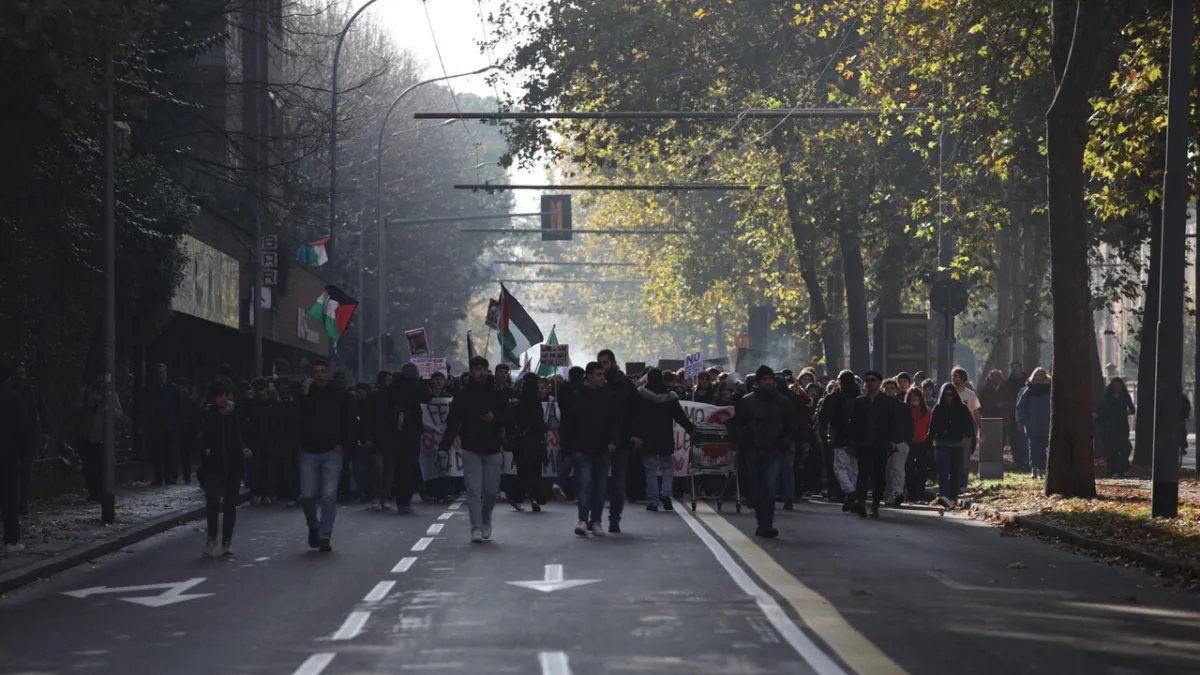
BOLOGNA – Tensions escalated in Italy as police forces and activist groups confronted each other near the headquarters of the General Confederation of Italian Industry (Confindustria) today, in 2026. This incident marks a wave of widespread protests in various cities, including Naples, highlighting public frustration with economic conditions and government policies. These demonstrations are believed to be linked to long-standing economic and labor issues plaguing Italy.
The escalation in Bologna occurred when demonstrators attempted to approach the Confindustria building, a symbol of the country's industrial and economic power. Security forces formed tight barricades, preventing the crowd from advancing and triggering minor clashes.
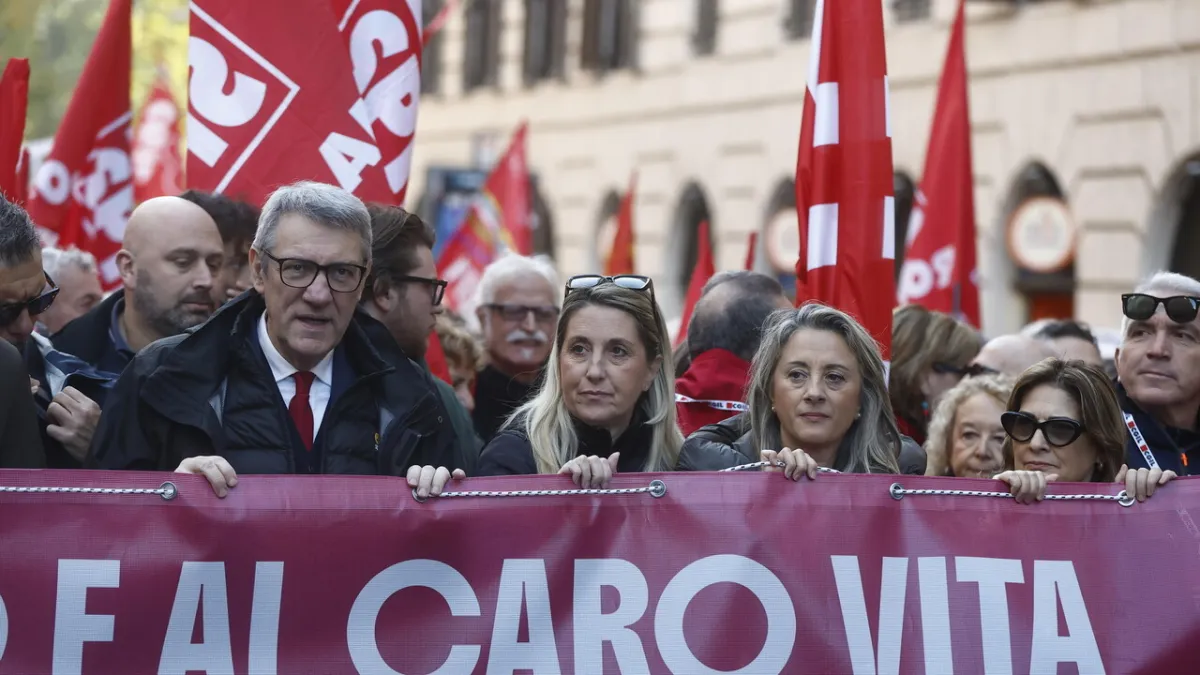
Amidst the commotion, banners with economic and social demands were unfurled by protesters. Frustration regarding wages, working conditions, and employment prospects fueled public anger.
Italy's major labor union coalition, CGIL, CISL, and UIL, known as the primary representatives of workers, came under scrutiny. In a separate but related incident in Naples, a manifesto likening these unions to the 'Banda Bassotti' (Bassotti Gang, cartoon robbers) was burned. This symbolic act illustrates the dissatisfaction of some factions with the unions' role or effectiveness in addressing the crisis.
This public discontent is not a new phenomenon. Italy has faced a series of significant economic challenges, including inflation, persistent unemployment rates, and decelerating growth. This situation is compounded by ongoing global pressures affecting domestic economic stability.
Similar waves of protests have also occurred in several other cities, albeit with varying intensity. These movements indicate a deep polarization between the government, the industrial sector, and civil society. Analysts suggest this situation could worsen if there is no effective policy response.
Rejection of government economic policies and demands for structural reforms are at the core of various demonstrations. Activists are calling for greater attention to vulnerable groups and the protection of workers' rights, which are perceived to be eroding.
This event is reminiscent of the national strike by workers and students that paralyzed Italian public services in early 2026. At that time, demands for improved living standards and better access to education were also key triggers.
The Italian government has pledged to address these economic challenges. However, policy implementation is often deemed too slow or not addressing the root causes by community groups.
Confindustria itself, as a representative of employers, faces pressure to find common ground between business profits and worker welfare. They had previously called for the need for innovation to counter the economic slowdown.
This situation poses a severe test for Italy's social and political stability. With the potential for further escalation, constructive dialogue among all parties is crucial to prevent a deeper crisis.
Editorial Insight: The events in Bologna and Naples indicate that deep-seated dissatisfaction in Italy is not subsiding. Instead, there appears to be increasing tension between various interest groups, especially amidst the ongoing global economic slowdown and inflationary pressures. The absence of concrete and swift solutions from the government risks exacerbating polarization, threatening social stability, and hindering economic recovery efforts in the country. More strategic and communicative policy interventions are needed to rebuild public trust.