 Angela Stefani
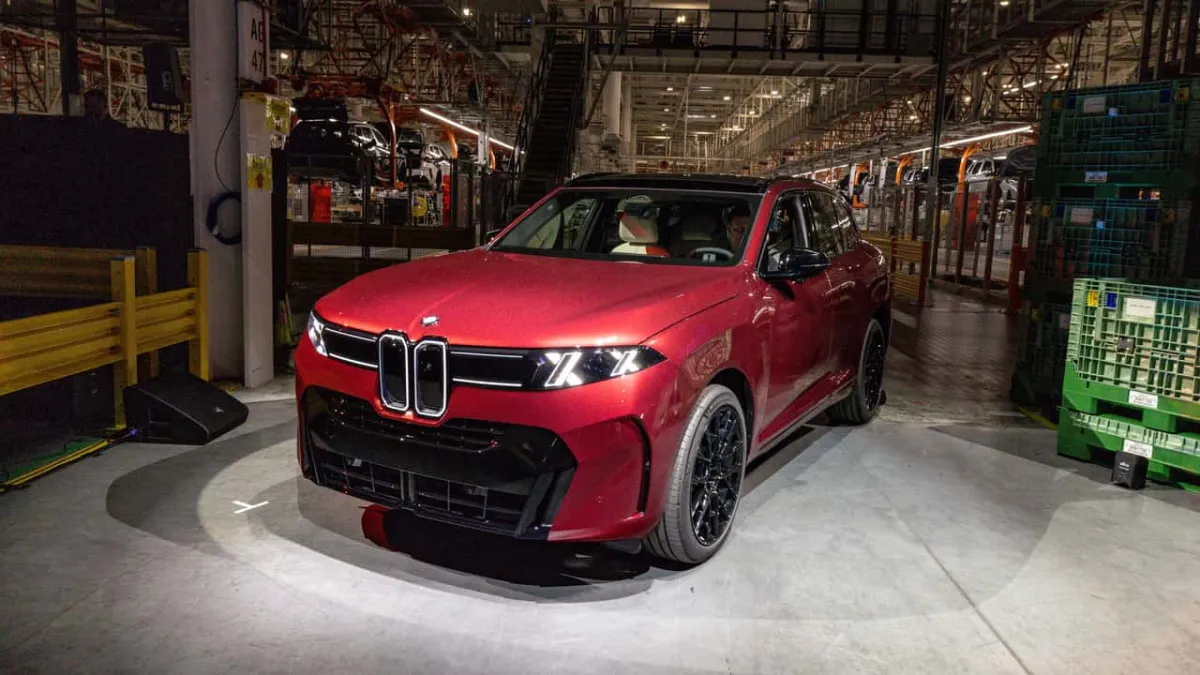
SPARTANBURG – German automotive giant, BMW, is bolstering its presence in the United States with a substantial investment of $1.7 billion. This strategic move is coupled with pressure on President Donald Trump's administration to reconsider vehicle import tariff policies amidst unresolved trade tariff agreements in 2026.
This massive investment is focused on expanding production capacity at the Spartanburg plant in South Carolina, which has long been one of BMW's largest manufacturing hubs globally. The decision to inject such a significant amount of capital signals BMW's strong commitment to the American market, while also serving as a primary argument in tariff negotiations.
The Spartanburg factory is now actively producing the iX5 model, a crucial step in BMW's global electrification strategy. Local production is expected to help the company reduce its reliance on imports, but existing tariffs remain a significant hurdle to profitability and competitiveness.
Import tariff policies imposed by Washington over the past few years have burdened foreign car manufacturers, including BMW, with substantial additional costs. These costs are ultimately passed on to consumers or reduce the company's profit margins.
President Donald Trump, who returned to office in 2025, has consistently emphasized the importance of protecting American domestic industries through strict trade policies. BMW's argument centers on the fact that they have invested heavily in the US, creating thousands of jobs, and contributing to the local economy.
A BMW spokesperson, who wished to remain anonymous, stated, 'We have demonstrated our long-term commitment to the United States through continuous investment and job creation. We believe that disproportionate tariff policies actually hinder growth and innovation.' This statement reaffirms the company's position, hoping for tariff relief.
The uncertainty surrounding these import tariff negotiations creates a challenging business climate for global automotive players. BMW, along with other European manufacturers, continues to lobby authorities in Washington to achieve a mutually beneficial solution.
Economic analysts view BMW's investment as a shrewd economic diplomacy effort. By strengthening its production base in the US, BMW hopes to build stronger political support for the elimination or at least reduction of existing tariff burdens.
If a tariff agreement is not reached or even tightened, American consumers could face higher BMW vehicle prices. This situation also has the potential to trigger broader trade tensions between the United States and the European Union, which could impact other economic sectors.
The final decision on automotive import tariffs remains uncertain, with negotiations ongoing in the corridors of power in Washington. Pressure from major corporations like BMW is expected to influence the direction of upcoming trade policies.
Editorial Insight:
BMW's $1.7 billion investment in Spartanburg is not merely a conventional business expansion. It is a strategic maneuver, staking significant capital to gain political concessions from the Trump administration. The success of this lobbying effort will set an important precedent for US-Europe trade relations and determine the competitiveness of global automotive manufacturers in the American market. If it fails, tariff pressures will further squeeze producers, and consumers will likely bear the consequences.