 Robert Andrison
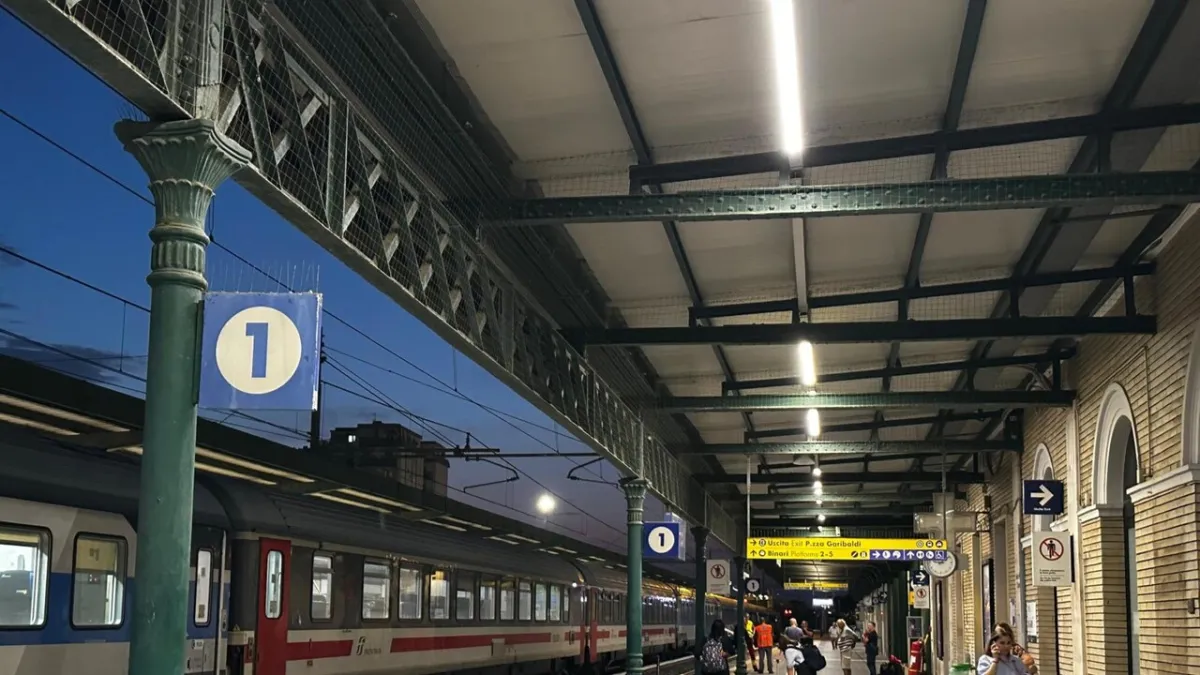
ROME – Italy's national railway network is bracing for massive disruption following the announcement of a large-scale strike scheduled for September 7 and 8, 2026. This protest is expected to paralyze much of the country's ground transport services, creating chaos for millions of commuters and tourists across the Apennine peninsula.
The strike will last for a full 24 hours, commencing on Monday, September 7, 2026, at 9:00 PM local time, and concluding on Tuesday, September 8, 2026, at 9:00 PM. Federations of transport unions announced this action as a means to press demands for improved working conditions, increased wages, and safety guarantees for railway workers.
The strike's impact is predicted to be widespread, affecting regional, long-distance, and high-speed train services connecting major cities such as Rome, Milan, Venice, and Naples. Major operators like Trenitalia and Italo are expected to experience significant cancellations and delays, affecting inter-regional mobility.
While specific details regarding which unions are leading the action have not been fully disclosed, a consensus among several labor unions indicates that key demands include fairer contract renewals, enhanced operational safety standards, and wage adjustments commensurate with ongoing inflation.
The Italian government and transport authorities have urged unions to find solutions through negotiations to minimize the impact on the public. Italian labor law guarantees the right to strike but also mandates the provision of essential services to mitigate a total disruption of public transport.
Some vital train services, especially during peak hours, are expected to remain operational in accordance with minimum service provisions. However, the planned scale of the strike suggests that guaranteed service capacity will only meet a fraction of the public's daily travel needs.
Public anticipation of the strike is already evident. Many citizens are seeking alternative transportation such as intercity buses, private cars, or even rescheduling their journeys. The tourism sector, a cornerstone of the Italian economy, is projected to incur substantial losses, given that September is still considered a peak tourist season. This presents a unique challenge for Italy, a nation that has recently celebrated numerous positive achievements in various fields.
Waves of labor strikes in the transport sector are not new to Italy. History records a series of similar actions that often trigger tensions between labor unions and the government. These events frequently serve as a barometer for domestic social and political dynamics, and can even influence the stability of ruling coalitions, consistent with concerns about foreign interference in the country's internal affairs.
The Italian Ministry of Infrastructure and Transport has not yet issued a detailed official statement, but further guidance on canceled journeys and guaranteed services is expected soon. This information is crucial for the public to plan their travels.
The continuity of negotiations between unions and the government will be critical in determining whether this strike can be mitigated or even averted. Failure to reach an agreement could potentially escalate demands and worsen the industrial relations climate in the country.
Editorial Insight: The railway strike in early September 2026 is more than just a routine transport incident; it reflects deep-seated tensions within the Italian labor market. If not handled effectively, this action could erode public trust in the efficiency of public services and potentially set a precedent for similar demands in other sectors. The government must find a fair common ground without sacrificing economic stability, especially during crucial periods that require smooth mobility.