 Demian Sahputra
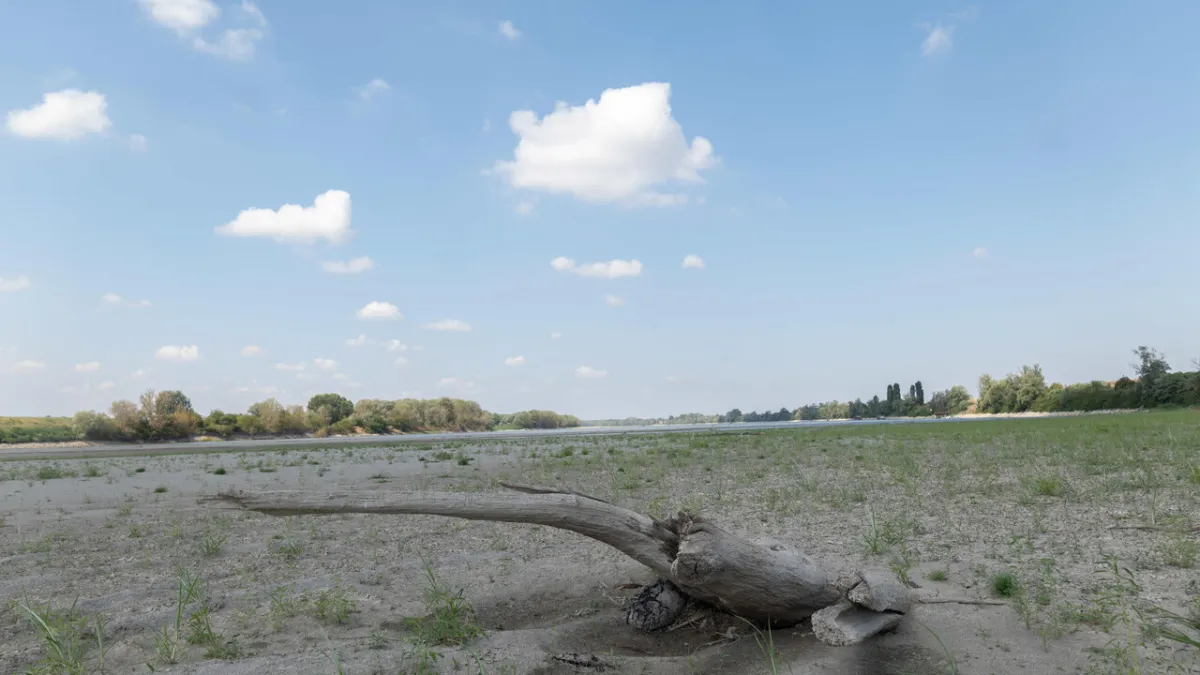
ROMA — Italy is once again facing a severe threat of extreme drought in the Po River, with water levels recorded this Tuesday plummeting to crisis conditions last seen in 2022. The local observatory confirmed that water flow at Piacenza has reached only 209 cubic meters per second, significantly below the normal average of 731 cubic meters per second, raising widespread concerns for the vital agricultural sector and ecosystems along the country's longest river.
This situation indicates that the nation has not fully recovered from previous severe drought episodes. In 2022, the Po River experienced a substantial reduction in water volume, leading to significant economic losses for farmers and disrupting drinking water supplies in several regions. Unpredictable weather patterns and minimal rainfall are the primary causes of this recurring and alarming natural phenomenon.
The agricultural sector in the Po Valley, known as Italy's food basket, is now on the brink of crisis. Farmers of wheat, corn, and rice, who heavily rely on irrigation from this river, are beginning to feel the impact. Inadequate water supply could devastate harvests, drive up food prices, and worsen national food security in 2026.
The Po River ecosystem is also under severe threat. The decrease in water levels directly impacts the habitats of fish and other freshwater species, disrupting the food chain and increasing pollutant concentrations. Environmental experts express deep concern about the potential long-term damage if effective mitigation measures are not implemented.
The memory of the 2022 drought remains fresh in the minds of Italians. At that time, many tributaries of the Po dried up completely, revealing land that had not been seen for decades. The government was forced to impose water usage restrictions in various cities, including for household and industrial purposes, to preserve drinking water availability.
A comparison of the latest data from the Observatory in Piacenza is stark. The figure of 209 cubic meters per second indicates a water volume reduction of approximately 71% compared to the seasonal average. This figure is practically identical to the worst data recorded at the peak of the 2022 drought, suggesting that the rate of natural water supply recovery is very slow, if not nonexistent.
Climatologists and hydrologists highlight climate change as the dominant factor behind this phenomenon. Rising global temperatures lead to irregular rainfall patterns, with drier winters and extreme summers. Snow in the mountains, typically an important water reserve, has also significantly decreased, exacerbating the situation when spring arrives.
The Italian government, through the Ministry of Environment and Energy Security, is evaluating emergency measures. Options under consideration include tightening water usage, investing in more efficient irrigation infrastructure, and implementing desalination technology in some coastal areas to reduce reliance on the river.
Regional authorities along the Po River, such as Lombardy, Veneto, and Emilia-Romagna, are collaborating closely to manage this crisis. The primary priority is to ensure drinking water supplies remain available, while also minimizing losses for the agricultural sector, which is crucial for local and national economies. Inter-regional coordination is key to successful management.
Long-term solutions for addressing this chronic drought require a comprehensive approach. Beyond climate change adaptation, significant investment in water conservation, wetland revitalization, and public education on the importance of water saving are urgent agendas. Promoting sustainable agriculture with more drought-resistant crops is also part of the strategy.
Public awareness of the importance of water conservation is growing. Educational campaigns are being intensified to encourage water-saving practices in households, industries, and the agricultural sector. The public is expected to actively participate in collective efforts to face these unavoidable environmental challenges.
With the upcoming summer, the outlook for the Po River remains bleak. If there is no significant rainfall in the coming weeks, Italy's water crisis is expected to worsen, leading to broader economic and environmental consequences in 2026 and potentially beyond. The challenge of adapting to a new climate is becoming increasingly urgent.