 Chandra Wijayanto
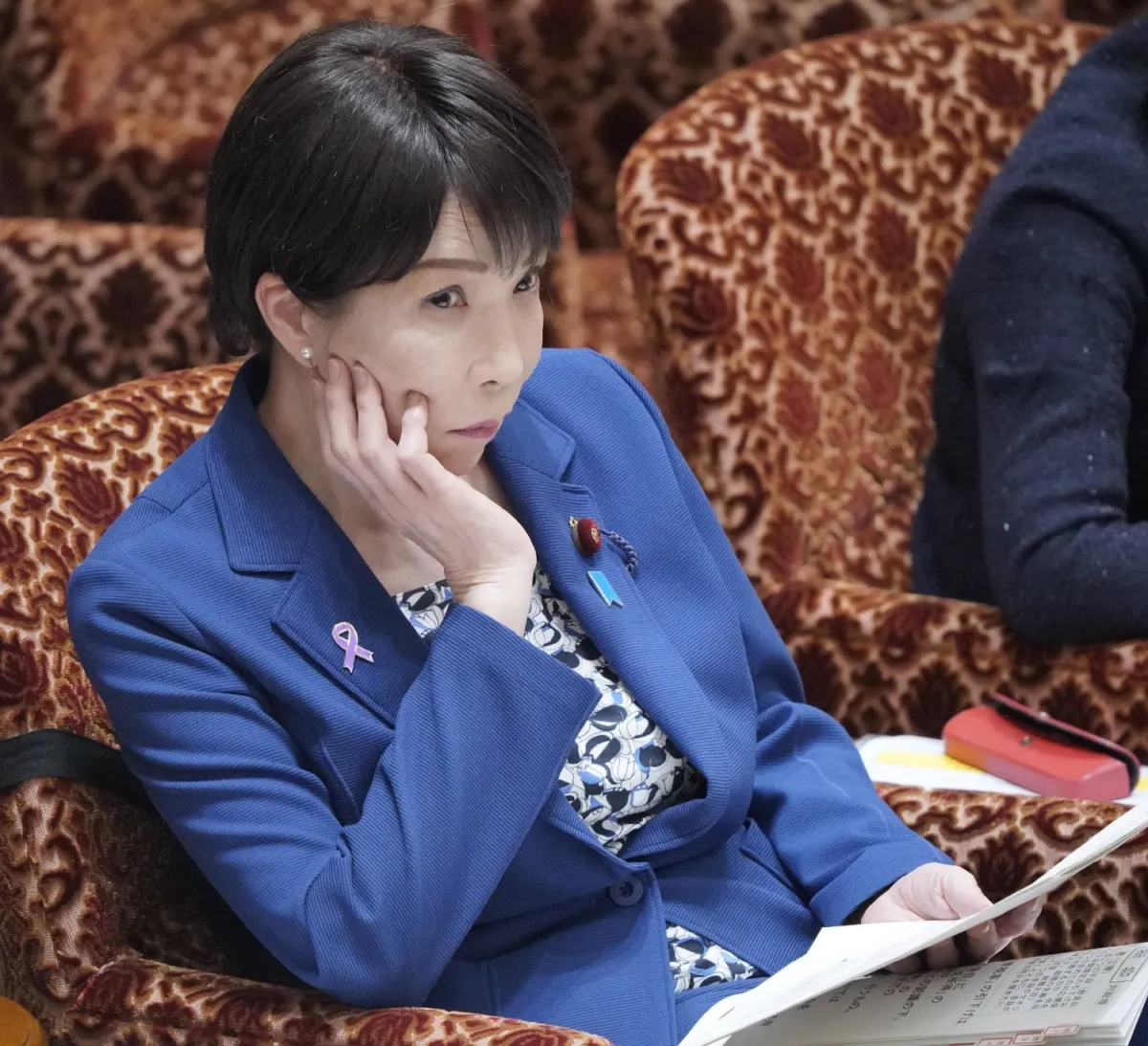
TOKYO – Significant concerns have emerged in Japan following revelations that hundreds of posts from the X (formerly Twitter) account of a high-ranking official, Takaichi, have not been kept as official government records. This phenomenon, spanning from the start of Takaichis administration in October 2025 to October 12, 2026, has ignited a fierce debate about transparency and accountability in the digital communication era.
Data indicates that during this period, Takaichi made 843 posts, averaging more than two posts per day, underscoring the intensity of her use of the platform as a public communication channel. This massive volume of posts raises fundamental questions about how the Japanese government manages and archives the digital interactions of its officials.
The absence of official records for these posts directly impacts the principle of transparency. Both the public and the media face difficulties in tracking statements, policies, or even promises made by officials via online platforms. This undermines society's ability to hold policymakers accountable for the information they disseminate.
Beyond transparency issues, the aspect of digital archiving has come under scrutiny. An official's social media posts often contain valuable information related to policies, responses to events, or even indications of the government's direction. Losing these records means losing a crucial part of the historical record, vital for researchers, historians, or auditors in the future.
In many developed nations, public officials' communication via social media has long been recognized as an integral part of official communication and is mandatory to be archived. Strict policies are implemented to ensure every interaction is recorded, allowing for audits and historical reference. This situation in Japan indicates a significant gap in their digital regulatory framework.
This issue is expected to spark lively discussions in the Japanese Parliament and among civil society groups. Transparency activists and journalists have voiced their concerns, urging the government to promptly formulate comprehensive policies regarding officials' social media archives. Similar incidents in the past have also shaken the Japanese parliament, albeit in different contexts.
The X platform, with its broad reach and rapid information dissemination capabilities, has become a vital tool for officials to communicate directly with constituents. However, this convenience also demands greater responsibility in managing shared data and information.
The Japanese government now faces pressure to establish clear guidelines for recording and archiving officials' communications on digital platforms. This includes not only text content but also images, videos, and other interactions that may occur.
As of now, there has been no official statement from Takaichi or her office regarding these concerns. However, public and political pressure is expected to force a response and, possibly, system improvements in the future to prevent similar occurrences.
This incident serves as a sharp reminder of the challenges governments worldwide face in adapting to an evolving digital communication landscape while upholding the principles of transparency and accountability.
Editorial Insight: The Takaichi case highlights a critical gap in digital public administration, especially in a nation renowned for its efficiency and meticulousness like Japan. The absence of official archives for official communications on popular platforms like X not only harms transparency but also potentially creates a significant void in historical data. This issue extends beyond a single individual; it reflects the need for robust legal and policy frameworks to address an era where public information is often conveyed through non-traditional channels. Failure to address this problem could erode public trust and hinder government accountability efforts.