 Debby Wijaya
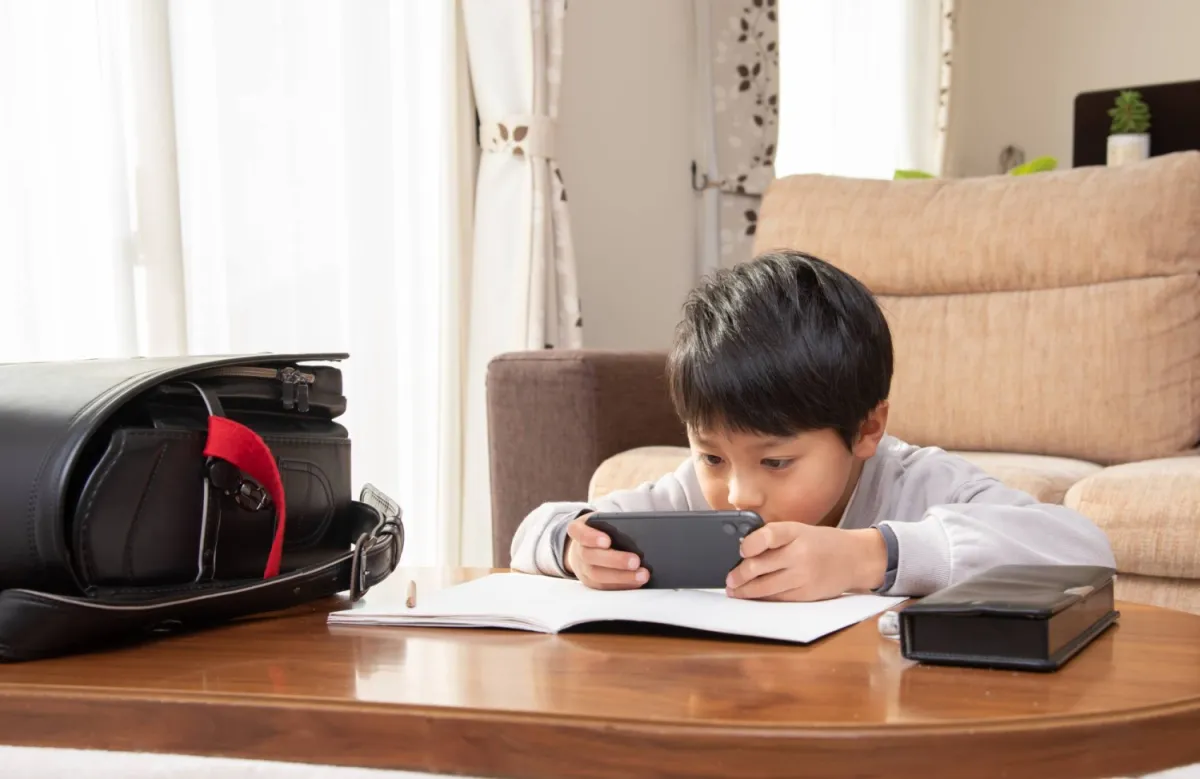
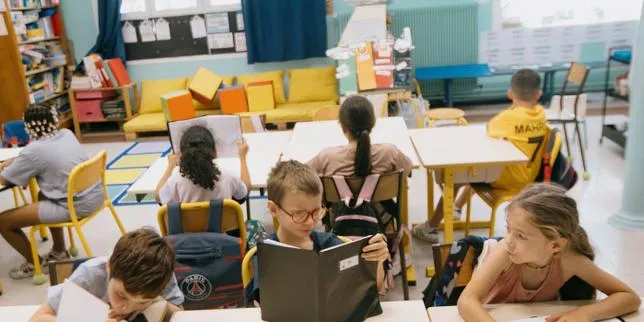
TOKYO – The Japanese government in 2026 is seriously considering measures to limit childrens exposure to social media nationwide. This crucial initiative stems from a government policy draft emphasizing the role of schools in fostering students judgment, ensuring they can use digital platforms responsibly and wisely. The policy aims to protect the younger generation from the negative impacts of excessive online interaction.
The policy draft underscores the urgency for educational institutions to not only teach digital literacy but also to facilitate the development of critical reasoning. It is hoped that children will thus possess strong internal filters for sifting through information and interactions in the fast-paced online world.
Kenji Tanaka, a spokesperson for Japans Ministry of Education, stated, We observe increasing concerns from parents and educators regarding the long-term effects of uncontrolled social media use on childrens cognitive and emotional development. This step is not about a total ban, but rather empowerment.
Recent data from various studies show a correlation between excessive social media exposure and mental health issues, including anxiety and depression, among adolescents. Japan is determined to be a pioneer in mitigating these risks for the future of its nation.
The government plans to develop comprehensive guidelines to be distributed to all schools. These guidelines include a specialized curriculum teaching online ethics, hoax identification, data privacy, and healthy screen time management.
Public discussions on this policy draft are expected to generate constructive input from various stakeholders, including child psychologists, technology companies, and parent representatives. National consensus is key to the successful implementation of this program.
This policy also aligns with a global trend seeing governments in various countries begin to highlight digital platform regulation. For example, Australia also recently rejected warnings regarding its internet security laws, demonstrating the commitment of developed nations to create a safer digital space.
The importance of directed digital education becomes even more relevant given worldwide incidents that show the potential for exploitation and negative impacts of social media, even to the point of turning moments of grief into unethical social media spectacles.
The implementation of this policy is expected to commence gradually in the second half of 2026, following the finalization of the draft and extensive socialization. The Japanese government is optimistic that this education-based approach will be more effective than merely repressive restrictions.
Ultimately, the main goal is to create a digital ecosystem conducive to childrens growth and development, making social media a beneficial tool, not a potential threat. This represents Japans long-term investment in its future human resources.
Editorial Insight:
The Japanese government's move demonstrates a deep understanding of the digital era's challenges for children. An approach prioritizing education and critical judgment development in schools is a clever strategy. Instead of merely banning, Japan chooses to equip its younger generation with adaptability and resilience in the midst of information overload. This policy has the potential to become a model for other countries facing mental health crises due to digital exposure.