 Robert Andrison
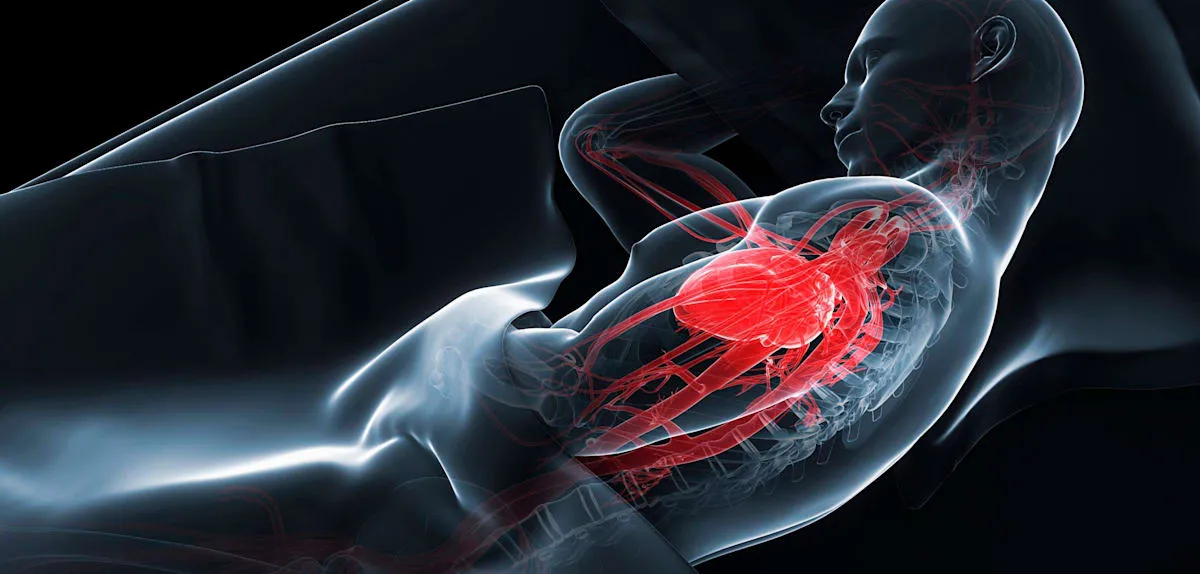
RESEARCH — Cutting-edge research in 2026 reveals that repeated breathing pauses, which can occur up to 300 times during a single night, known as obstructive sleep apnea (OSA), have dramatic consequences for men's heart health and erectile function. These findings underscore the urgency of addressing this chronic sleep disorder given its significant impact on blood vessels.
Researchers from leading medical institutions, whose identities are undisclosed for the sake of scientific publication, have published the results of their comprehensive study. They directly investigated how repeated, brief respiratory interruptions during sleep cumulatively damage the cardiovascular system and affect erectile capabilities.
The research team explained that sleep apnea causes intermittent drops in blood oxygen levels and increased stress on the heart. These fluctuations in oxygen and blood pressure gradually damage the endothelial lining of blood vessels, trigger inflammation, and accelerate the process of atherosclerosis, or hardening of the arteries.
This vascular damage affects not only vital organs like the heart but also other body parts heavily reliant on healthy blood flow. Erections, for instance, critically depend on optimal blood supply to the male reproductive organs. When blood vessels are compromised, this mechanism is disrupted, leading to erectile dysfunction.
"We found a very strong correlation between the frequency of nighttime breathing pauses and a higher risk of coronary heart disease and erectile dysfunction in participants," stated one of the researchers in their media release. "This is not merely a matter of sleep quality, but a serious threat to men's holistic health."
Fragmented sleep due to frequent awakenings from breathing pauses also contributes to an increase in stress hormones like cortisol. This chronic stress condition further exacerbates blood vessel health and indirectly affects libido and sexual function.
Study data indicated that men with severe sleep apnea have a two to three times higher risk of developing heart disease compared to those with normal sleep patterns. Meanwhile, erectile dysfunction was observed in over 50 percent of moderate to severe sleep apnea cases.
However, there is a glimmer of hope. The research also highlighted the effectiveness of available therapies. The use of continuous positive airway pressure (CPAP) therapy devices showed surprising success in reducing breathing pause episodes and restoring sleep quality.
Patients undergoing consistent CPAP therapy reported significant improvements in their symptoms, including increased energy, reduced blood pressure, and even improvements in erectile function. This indicates that early intervention can reverse some of the damaging effects of sleep apnea.
Beyond CPAP, lifestyle modifications such as weight loss, avoiding alcohol before bedtime, and changing sleep positions are also highly recommended. These measures can help reduce the severity of sleep apnea, especially in mild to moderate cases.
Health experts urge the public, particularly men over 40 or those with risk factors like obesity and loud snoring, to consult a doctor immediately if they experience symptoms of sleep apnea. Early diagnosis and treatment are crucial to prevent serious complications.
Awareness of the dangers of sleep apnea remains relatively low in the community. Public health campaigns need to be intensified to educate people about the symptoms, risks, and importance of managing this sleep disorder for better quality of life and the prevention of chronic diseases.
With these new findings, the medical world has an even stronger basis for promoting routine screening and management of sleep apnea as an integral part of preventive healthcare, particularly in the context of cardiovascular and men's urological health.
As scientific advancements continue in 2026, further innovations in sleep apnea diagnosis and therapy are expected to emerge, offering new hope for millions of sufferers worldwide.