 Robert Andrison
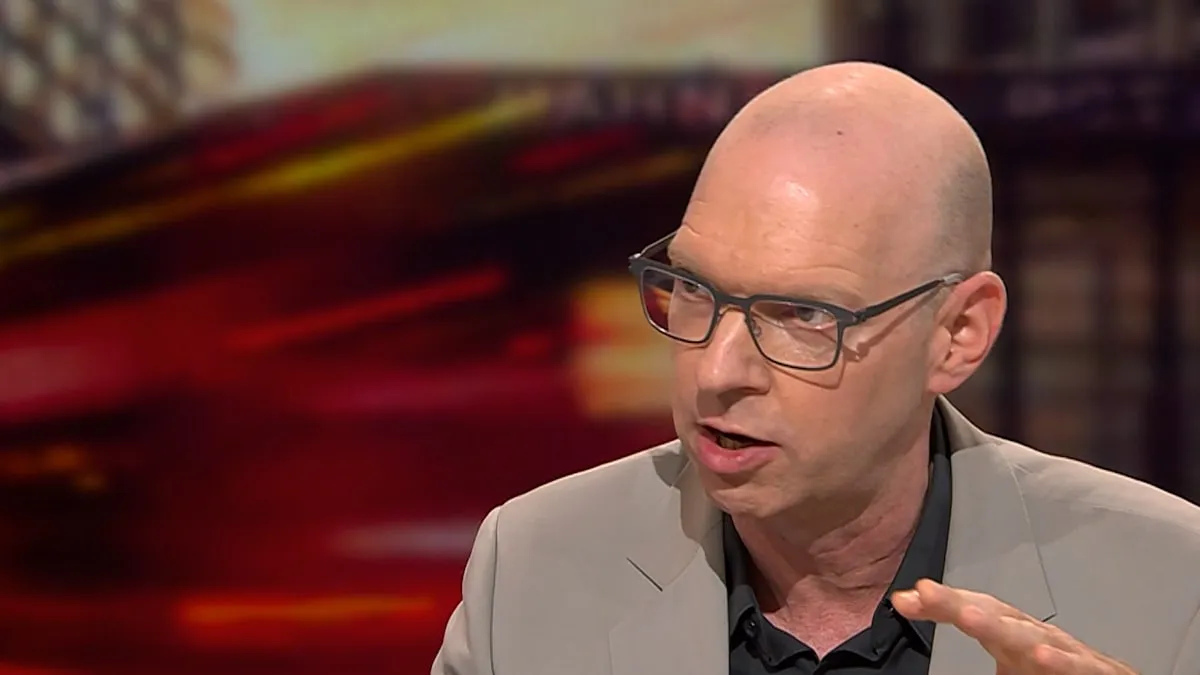
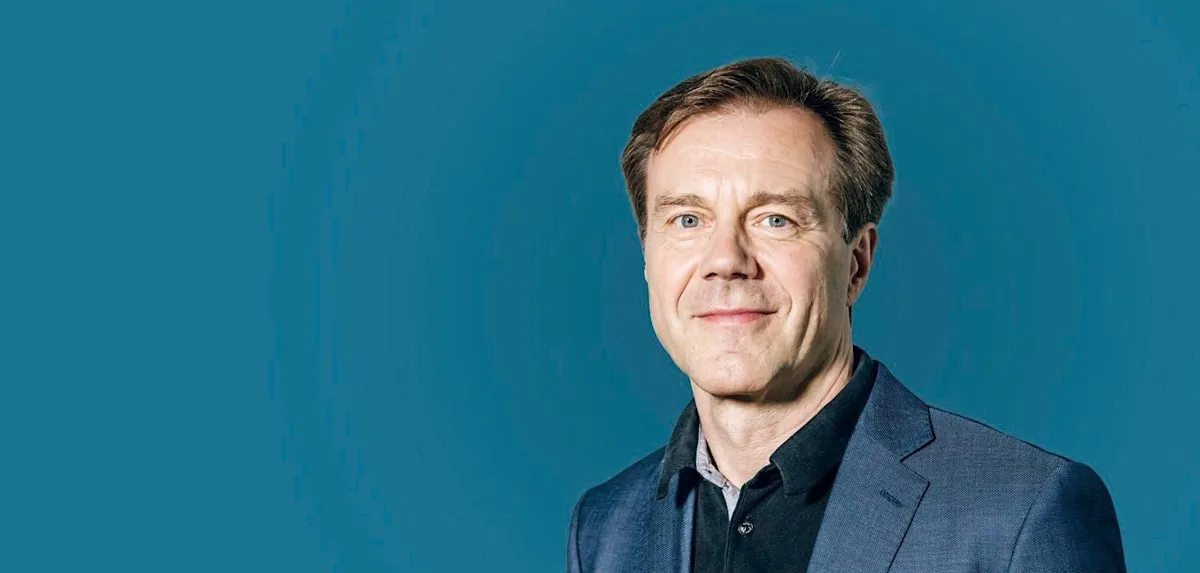
BERLIN – A political plan aimed at excluding Ulrich Siegmund, a figure from the Alternative for Germany (AfD) party, from the chairmanship of the Minister-Presidents' Conference should he win an election in Saxony-Anhalt, has sparked a wave of serious criticism from prominent journalists. Andreas Rosenfelder, chief commentator for WELT media, highlighted that such a strategy could paradoxically solidify Siegmund's position with voters, making it 'the best re-election program' he could hope for.
This polemic centers on the principles of freedom of speech and fair political representation amidst Germany's democratic dynamics. Rosenfelder, through his column in the 'MEINUNGSFREIHEIT' (Freedom of Opinion) segment, explicitly stated that such political marginalization is not only counterproductive but also strengthens the AfD's narrative as being unfairly treated by the political establishment.
He couldn't wish for a better re-election program, Rosenfelder said, underscoring the paradox of the exclusionary effort. This statement reflects concerns that measures to isolate certain political figures, especially those from rising parties, often provoke public sympathy and increase their popularity.
Indeed, the political climate in Saxony-Anhalt and the wider Eastern German region shows a significant trend of support for the AfD. As touched upon in a previous report, 'Russian Terror Accusations Do Not Shake AfD in Eastern Germany, Why?', the party has a strong base of supporters, who often feel neglected by Berlin's policies and political elite.
The Minister-Presidents' Conference is a vital forum bringing together the heads of government from Germany's 16 federal states to discuss and coordinate important policies. Serving as chair of this conference provides significant political influence and visibility. Attempts to deny Siegmund this position, regardless of democratic outcomes, raise serious questions about the integrity of the political process.
Rosenfelder argues that the 'us versus them' narrative created by such efforts is fertile ground for populist parties. If a candidate is democratically elected but then denied their right to lead an important forum based on party affiliation, this could be seen as an attack on the will of the people.
This also touches on the broader debate about how mainstream democracies should confront the rise of parties with ideologies considered extreme or controversial. Is exclusion an effective strategy, or does it merely fuel further polarization and radicalization? These questions are crucial in the context of German politics in 2026.
The implications of isolationist policies against AfD figures can negatively impact public perception of democratic institutions. Citizens may feel that their voices are not respected, or that there are behind-the-scenes manipulations to prevent certain political forces from gaining control, even if they have won a mandate.
This situation must also be viewed within a broader geopolitical context, where Germany faces various challenges, including ongoing tensions with Russia. Internal instability or political fragmentation could weaken Germany's position on the international stage, as highlighted in 'Kremlin Accuses Berlin 'Neo-Nazi', Military Threat Looms Over Europe 2026'.
Political observers warn that efforts to sideline or undermine democratic election results, even if motivated by the desire to protect democratic values, often backfire. This provides ammunition for anti-establishment narratives and can accelerate shifts in public political preferences.
Editorial Insight: Attempts to isolate political figures who have gained a democratic mandate, even from a controversial party like the AfD, tend to be a double-edged sword. Rather than suppressing influence, such moves can provide a platform for the figure to portray themselves as a victim of the system and rally broader support from marginalized segments of the electorate. Federal and state governments must find more constructive ways to address political challenges without sacrificing democratic principles and fair representation, as political polarization in Europe in 2026 is increasingly worrying.