 Robert Andrison
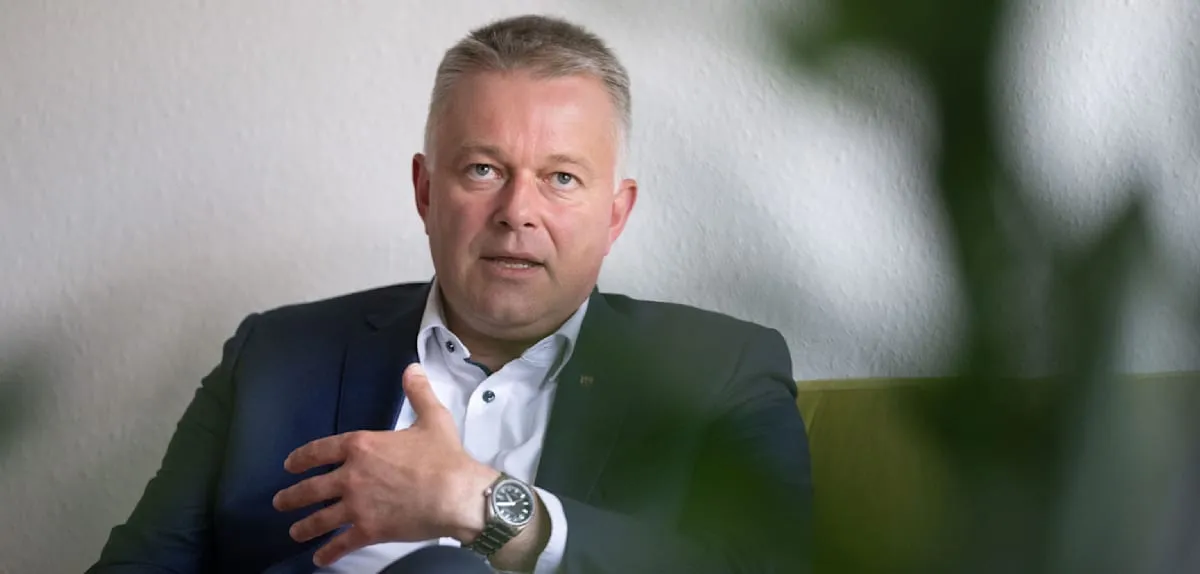
MAINZ – The state government of Rheinland-Pfalz, Germany, has announced a revolutionary plan to enhance the quality of primary education. Prime Minister Schnieder explicitly stated that all children aged four and a half must undergo a series of comprehensive tests before entering primary school. This policy arises in response to deep concerns regarding the low level of readiness among children, particularly in German language proficiency and basic motor skills, which are deemed crucial for their learning foundation.
Schnieder, in his public statement, highlighted the fact that 'very many children' enter primary school without adequate basic abilities. This situation, according to him, hinders the learning process from an early age and potentially creates wider academic gaps later on. This lack of readiness is not only about cognitive mastery but also fundamental aspects such as communication skills and social interaction.
The readiness test to be implemented will cover two main aspects. First, an assessment of German language proficiency, which is an absolute prerequisite. Children are expected to master the basics of communication in the national language before they begin formal education.
Second, a fine motor skills test. This aspect is important for supporting writing and drawing activities. The examination will include the child's ability to:
- Hold a pen correctly.
- Use scissors to cut.
- Tie shoelaces independently.
These skills, though seemingly simple, are important indicators of a child's independence and physical readiness for the classroom environment.
Prime Minister Schnieder asserted, 'When children come to primary school, they must be able to speak German.' This statement reflects the philosophy behind the new policy: ensuring every student has an equal starting point and a strong foundation for their education. This initiative aims not to hinder but to provide earlier support for those who need it.
This policy is part of a broader effort in Germany to address challenges within the education system. The issue of school readiness, especially in areas with significant migrant populations, often sparks intense public debate. The government hopes this proactive measure can reduce the burden on teachers and schools in bridging the fundamental gaps brought by new students.
The implementation of these tests is expected to trigger in-depth discussions among parents, educators, and the general public. For some, this policy is seen as a positive step to ensure educational standards. However, concerns also exist regarding potential pressure on preschool children and implications for families whose primary language is not German.
Several education experts have welcomed this initiative, albeit with caveats. Professor Dr. Lena Schmidt, a child pedagogy expert at the University of Heidelberg, stated, 'It is crucial to ensure that these tests are not just a filter but also a diagnostic tool to provide targeted early intervention.' Structured pre-school support will be key to the success of this program.
Rheinland-Pfalz's move reflects a global trend in educational reform efforts. Several other European countries also face similar issues regarding student quality and readiness. For instance, in France, debates about new strategies to address social inequality in education are also in the spotlight, as reflected in the article Sekolah Katolik Swasta Prancis Gagas Strategi Baru Atasi Ketimpangan Sosial Edukasi 2026, demonstrating common challenges across the continent.
Focusing on basic skills such as language and motor development from an early age represents a long-term investment in the future of education. By identifying areas needing reinforcement from the outset, the German government hopes to build a generation more prepared to face academic and life challenges.
Editorial Insight: The school readiness test policy in Rheinland-Pfalz marks a significant paradigm shift in early childhood education. It is not merely a test, but a firm statement that a strong foundation is key to educational success. The success of its implementation will heavily depend on how the system can provide equitable and effective pre-school support, especially for children from diverse backgrounds. Without adequate intervention post-diagnosis, this policy risks becoming a barrier rather than a bridge to inclusive and quality education. The greatest challenge lies in balancing standards with empathy.