 Dorry Archiles
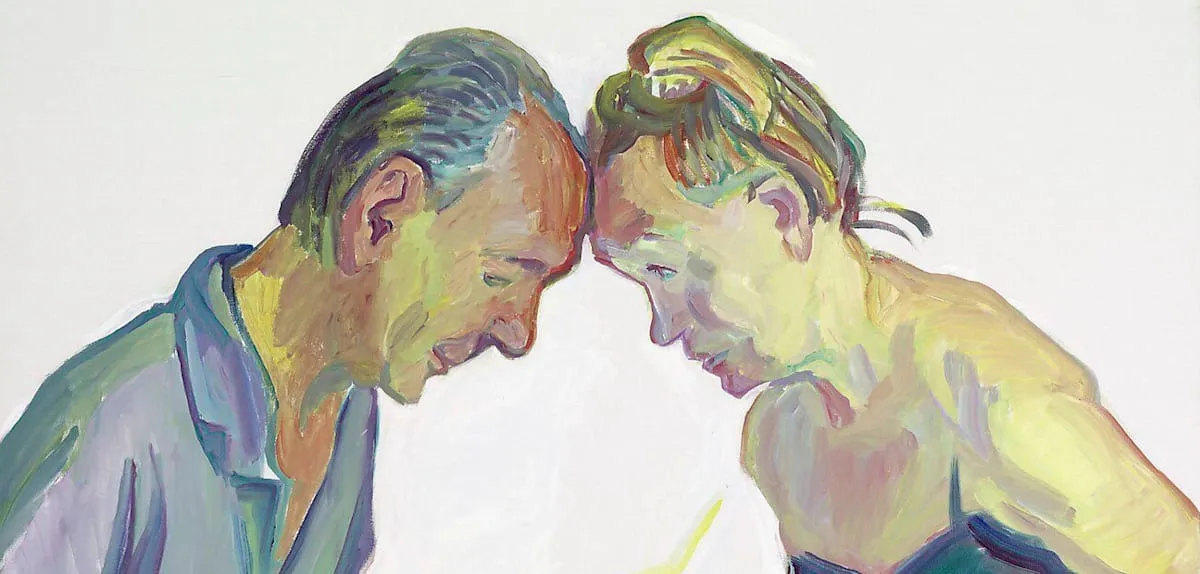
London — The second half of 2026 marks the beginning of a grand series of cultural events across Europe. Fourteen of the most anticipated art exhibitions are set to captivate millions of visitors, offering a compelling blend of modern minimalism and rich baroque opulence. These events will be spread across prominent art metropolitan cities, from London to Rome, promising unforgettable visual and intellectual experiences.
World-class museums in London, Paris, Amsterdam, Rome, and Madrid have prepared exceptional curations. They will feature works by acclaimed art maestros as well as new discoveries from rising talents. Art observers and critics anticipate the “surprising answers” presented by each exhibition, whether through reinterpreting classical works or showcasing provocative contemporary art.
Paris — In the heart of the City of Lights, Paris, several prestigious institutions are reported to be carrying themes that challenge the boundaries of art. For instance, a major retrospective exhibition for a 20th-century minimalist artist whose work has never been comprehensively reviewed, or an in-depth exploration of the influence of non-Western art on European avant-garde movements. Curators promise to present fresh and relevant narratives for a global audience.
Amsterdam — Meanwhile, in Amsterdam, the focus may shift to interdisciplinary explorations, combining visual arts with elements of design, technology, or even science. This canal city is known for its innovative approach to culture. An exhibition on “Art and Sustainability” is predicted to be a highlight, inviting visitors to reflect on the role of creativity in addressing global challenges in 2026.
Rome — Italy’s capital, Rome, with its unparalleled historical heritage, is ready to present a celebration of baroque grandeur. Exhibitions highlighting this period will delve into the richness of detail, drama, and emotion that characterize it. Art historians believe that the collections to be displayed could reshape public understanding of baroque masters and their social contexts.
Madrid — In Madrid, Spain, major galleries are likely to highlight cross-cultural and colonial connections through the lens of art, or present bold exhibitions exploring identity and politics in the modern era. Thus, each destination offers unique perspectives, reflecting the city’s cultural identity while fostering universal dialogue.
Museum directors and curators have worked tirelessly for months, even years, to present collections that are not only aesthetically beautiful but also intellectually profound. They strive to create immersive experiences, utilizing digital technology and innovative narratives to bring art closer to a wider audience, including younger generations.
The decision to present fourteen large-scale exhibitions simultaneously across Europe demonstrates the optimism of the art and tourism industry. This is a collective effort to revitalize the cultural sector post-pandemic, positioning Europe as a global art gravity center in 2026.
These exhibitions are not merely spectacles but also forums for discussion and reflection. How does modern art dialogue with tradition? To what extent can an artist provoke without losing relevance? These questions are at the core of every curation.
For art enthusiasts, academics, and tourists alike, the second half of 2026 is a crucial time to plan cultural travels. These fourteen exhibitions promise not only entertainment but also enlightenment, reaffirming the vital role of art in shaping our understanding of the world.