 Demian Sahputra
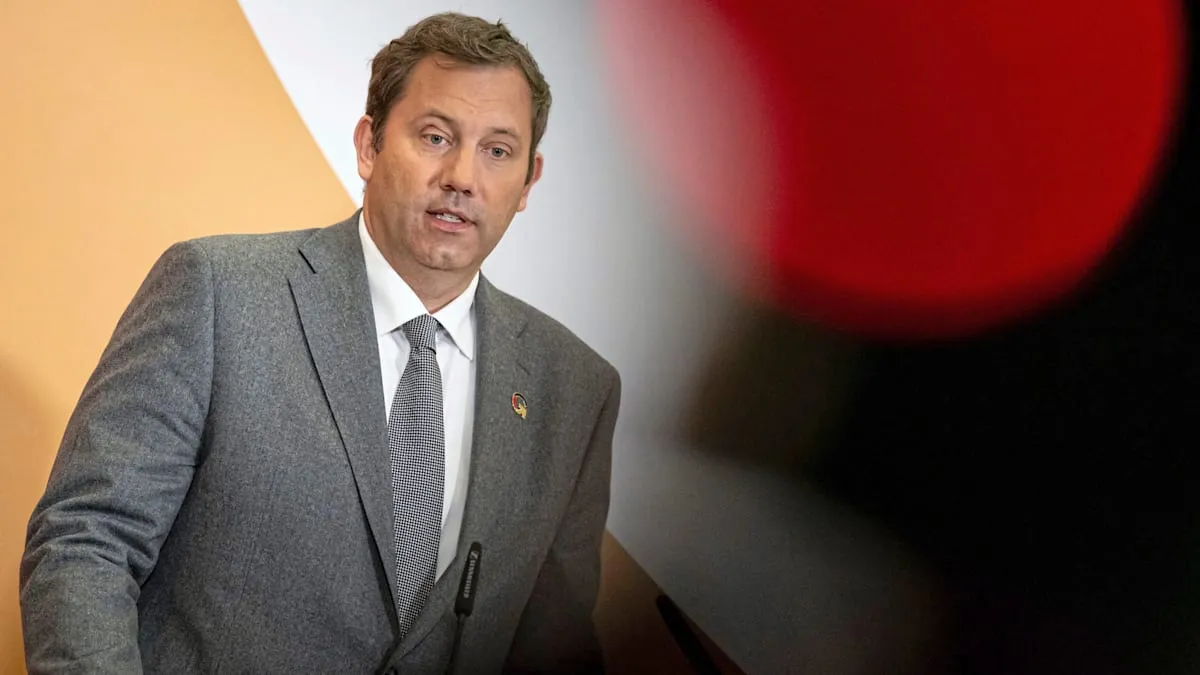
BERLIN – German Finance Minister Lars Klingbeil today officially presented the latest federal tax estimate results for 2026. This fiscal assessment indicates that although state revenues are developing stably, there is no significant new fiscal space for the German federal budget. This signals ongoing challenges in managing state finances amidst various needs.
Klingbeil explained that the tax revenue projections indeed show a solid trend, reflecting the resilience of the German economy in several sectors. However, this stability is insufficient to create a budget surplus or fiscal leeway that could be used for new spending initiatives or drastic debt reduction.
Our tax revenues show a stable development, a positive indication of our economic base, Klingbeil stated at a press conference in Berlin. However, we must be realistic. No unexpected funds have appeared, and our room for maneuver for new budgetary policies is very limited.
This situation places the federal government under pressure to prioritize existing expenditures and seek efficiencies. Some programs and projects that the public or coalition parties might have expected may need to be postponed or carefully re-evaluated.
These budgetary challenges are not new for Germany. Previously, the country also faced similar constraints with the failure of certain reforms in budget-saving efforts, as seen in the case of the Buergergeld reform promises that failed to save billions of Euros from the budget. This condition reinforces the urgency of prudent fiscal management.
This stable revenue growth is largely driven by moderate domestic consumption and an industrial sector that continues to show resilience. Nevertheless, persistent inflation and global geopolitical uncertainties continue to cast a shadow over medium-term economic prospects, limiting optimism regarding future revenues.
Government spending remains high, especially for social needs, defense, and crucial infrastructure investments. Without substantial revenue increases beyond current projections, the government must remain tight in fund allocation and cautious in planning any new expenditures.
The Ministry of Finance emphasizes the importance of fiscal discipline and avoiding the trap of fiscal populism that could endanger long-term financial stability. The annual budget drafting process will be a fierce battleground among ministries vying for limited resource allocation.
The impact of these tax estimates will also be felt at the state (Bundeslander) and municipal levels, which heavily rely on fiscal transfers from the federal government. They too must tighten their belts and adapt to this strict budgetary reality.
Klingbeil called for constructive dialogue among all stakeholders to find innovative solutions in addressing these fiscal limitations. Priority must be given to investments that drive sustainable economic growth and strengthen Germany's competitiveness on the global stage.
Despite this, the stability of tax revenues provides a strong foundation for Germany to cope with external economic fluctuations. However, it also demands firm leadership and bold decision-making to ensure the country can continue to meet its commitments without burdening future generations.
Editorial Insight:
Finance Minister Klingbeil's announcement highlights a dilemma faced by many developed nations: maintaining fiscal stability while addressing ever-increasing spending demands. This situation, amidst a volatile global economic landscape, requires Germany not only to manage its finances carefully but also to formulate innovative long-term growth strategies. The real challenge is how to balance budgetary discipline with crucial investments for the future, without falling into recession or triggering public dissatisfaction. The absence of new fiscal space means every euro must be thoughtfully considered, potentially igniting intense political debate over national priorities.