 Angel Doris
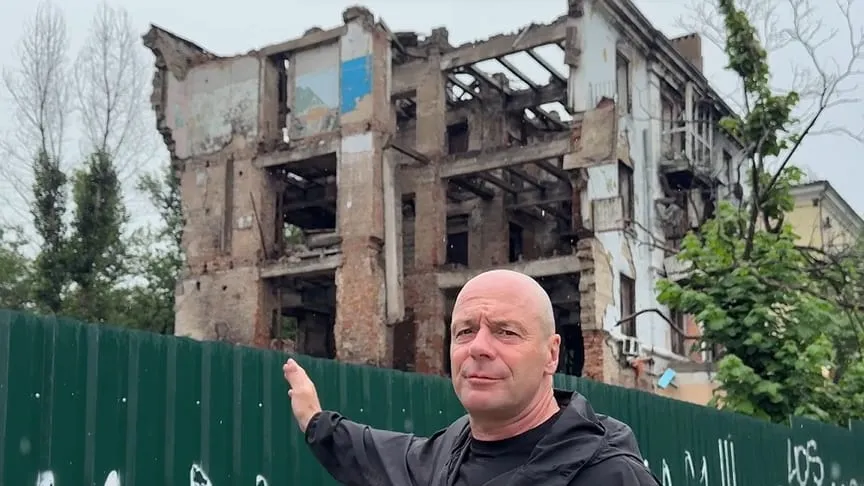
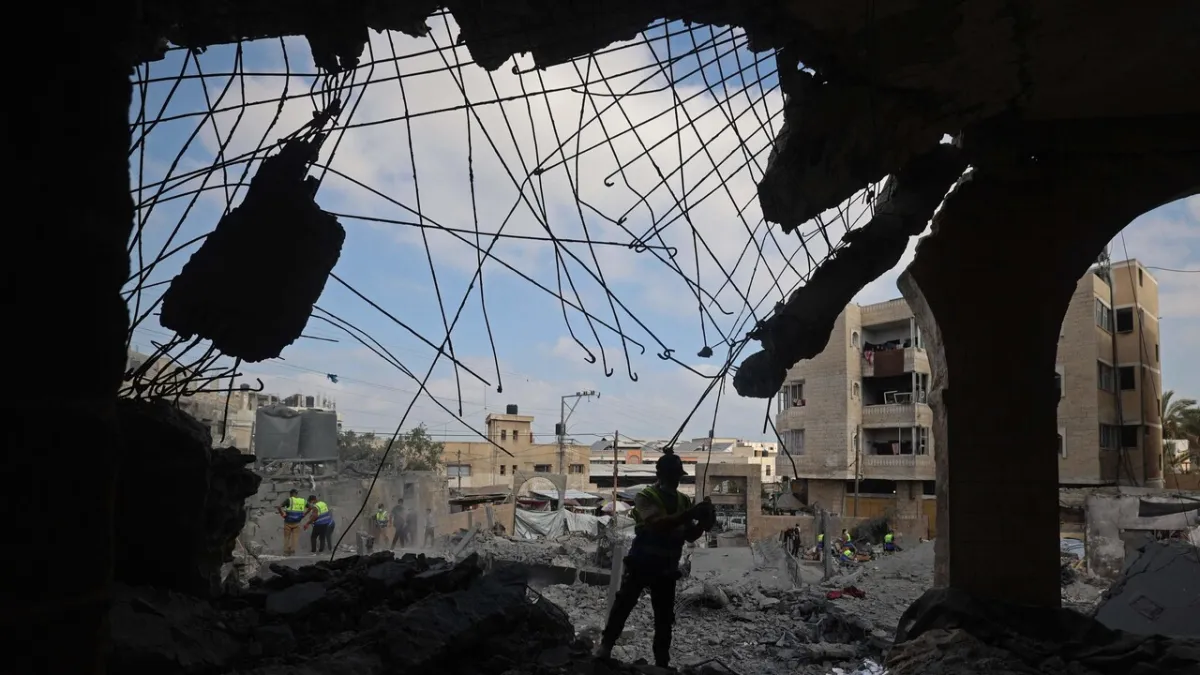
KRAMATORSK — The city of Kramatorsk, located in the heart of Ukraine's Donetsk Province, has once again become a prime target for intensified Russian military attacks in 2026. The city is now utterly ravaged, with widespread infrastructure damage resulting from the prolonged offensive, while global calls for peace compromises appear to be ignored.
Senior correspondent Christoph Wanner, who has been directly observing the dynamics of the conflict, highlighted the lack of any indication from Moscow of a willingness to de-escalate tensions. His analysis reinforces the public perception that Russia's military priorities remain fixed on their initial objectives, sidelining diplomatic dialogue.
“I cannot discern that the Russians would be ready to seek compromises,” Wanner stated, offering a pessimistic outlook on negotiation prospects. This statement reflects the diplomatic deadlock that has persisted for years, despite continuous calls for de-escalation from the UN and various nations.
Air and artillery attacks in Kramatorsk have drastically intensified. Residential buildings, public facilities, and vital infrastructure such as electricity and clean water supplies have reportedly suffered severe damage, leading to unspeakable suffering for the civilian population.
Kramatorsk holds significant strategic importance as one of Ukraine's last strongholds in the eastern part of Donetsk Province still controlled by Kyiv. Control of this city would provide a substantial advantage for Russian forces in their efforts to secure the entire Donbas region.
Kramatorsk residents now live under the shadow of fear and destruction. Thousands have been forced to flee to western Ukraine or neighboring countries, leaving behind their belongings and memories in a homeland now reduced to rubble.
International humanitarian organizations have repeatedly voiced deep concern over the worsening humanitarian crisis. Access to medical aid and food is becoming increasingly difficult, adding to the burden of those who choose to remain in the active conflict zone.
From the Kremlin's perspective, this military operation is justified as part of the region's “denazification” or “demilitarization,” a narrative consistently maintained since the initial invasion. Moscow insists its attacks target military facilities, though evidence on the ground shows massive civilian damage.
Ukrainian President Volodymyr Zelenskyy, through his official channels, strongly condemned these relentless attacks, urging the international community not to turn away from the suffering of the Ukrainian people. Kyiv asserts that every inch of its territory will be defended with all its might.
The situation in Kramatorsk is reminiscent of escalating conflicts in other Ukrainian cities. A barrage of Russian missiles hitting the capital, as seen in the incident Russian Missile Barrage Hits Kyiv: 2026 War Alarm Resounds Again, indicates that the conflict extends across multiple fronts.
Moscow's unwillingness to negotiate or compromise implies that a diplomatic solution remains far off. The international community faces a major dilemma: how to end the suffering in Ukraine without provoking a larger escalation.
With winter 2026 rapidly approaching, the conditions for residents in Kramatorsk and surrounding areas are expected to worsen significantly. Without adequate electricity and heating, the threat of hypothermia and disease becomes a new terror amidst the wartime devastation.
Economic pressure on Russia from Western sanctions has not yet significantly altered their military policy. Meanwhile, military and financial aid from Western allies continues to flow into Ukraine, extending Kyiv's ability to resist.
In conclusion, Wanner's analysis underscores the bitter reality that the conflict in Ukraine, particularly in the Donetsk region, has reached a critical point where political compromise appears illusory. The battle in Kramatorsk stands as a symbol of the continuing brutality of war with no clear end in sight.",
"excerpt": "Kota Kramatorsk di Provinsi Donetsk luluh lantak akibat intensifikasi serangan Rusia pada tahun 2026, sementara koresponden Christoph Wanner menyebut Putin tak acuh pada kompromi perdamaian.