 Debby Wijaya
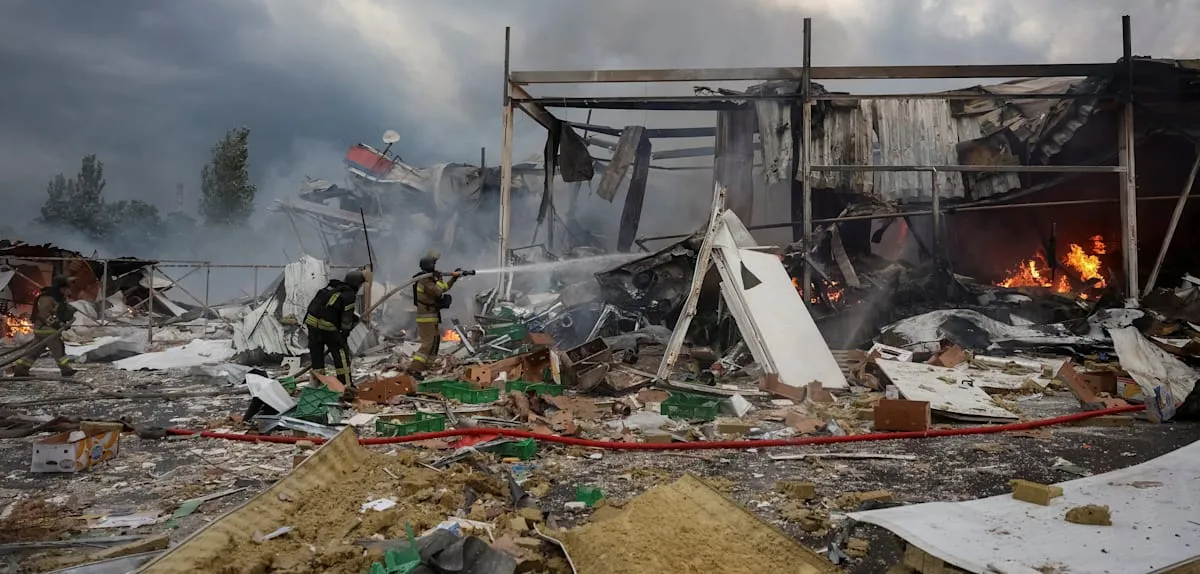
Kramatorsk, Ukraine — The city of Kramatorsk in eastern Ukraine is once again at the center of global attention, following an escalation of Russian military attacks aimed at ending the prolonged conflict's stalemate. The massive glide bomb assaults launched by Moscow are now pressuring Kyiv's defenses, forcing thousands of civilians to seek shelter amid an urgent deadline reportedly set by President Vladimir Putin to achieve a strategic victory.
Brutal aerial attacks, particularly the use of high-destructive glide bombs, have transformed Kramatorsk into a perilous zone. Intelligence reports indicate that Moscow is systematically targeting critical infrastructure and Ukrainian military positions, causing widespread devastation and significant casualties among the civilian population.
This harrowing situation has triggered mass panic. The city's usually bustling streets are now deserted, leaving behind the ruins of buildings and debris from explosions. Many residents no longer dare to venture outside, relying on bunkers and underground shelters as their only strongholds against deadly projectiles.
International military analysts believe that Russia's aggressive move in Kramatorsk represents President Putin's final push to gain a decisive advantage in this long-running war. Anonymous sources suggest an internal Kremlin deadline for its forces to secure full control over the Donbas region, including Kramatorsk, before mid-2026.
The government in Kyiv is under immense pressure. Russia's attrition warfare strategy, combined with air superiority through glide bombs, challenges Ukraine's defensive capabilities. The need for modern weapon supplies and adequate air defense systems has become increasingly urgent to stem Moscow's offensive.
Kramatorsk is not just an ordinary city. Its strategic location makes it a key to controlling the entire Donbas region, an area rich in resources and holding high symbolic value for both sides. A victory in Kramatorsk could be a turning point, or at least provide significant negotiating leverage for Russia.
The international community, including the United Nations and European Union nations, has expressed deep concern over the deteriorating situation in Kramatorsk. Calls to halt aggression and protect civilians continue to be echoed, although their concrete impact remains limited amid the intensity of the fighting.
The consequences of this battle will be far-reaching, not only for Ukraine and Russia but also for global geopolitical stability. The outcome of the "Battle for Kramatorsk" could reshape the political map of Eastern Europe and the dynamics of relations between the Western and Eastern blocs in the future.
This escalation of the conflict is also reflected in previous incidents. For instance, reports on War Escalation 2026: Ukrainian Drones Strike Russia, Moscow's Retaliation Brutal show an intensifying pattern of retaliatory attacks from both sides, exacerbating existing tensions.
With the deadline approaching and Putin's unwavering determination, the future of Kramatorsk and the fate of the war in eastern Ukraine remain highly uncertain. The world watches, wondering if this city will become a silent witness to a decisive victory or a symbol of unyielding resistance.