 Gabriella
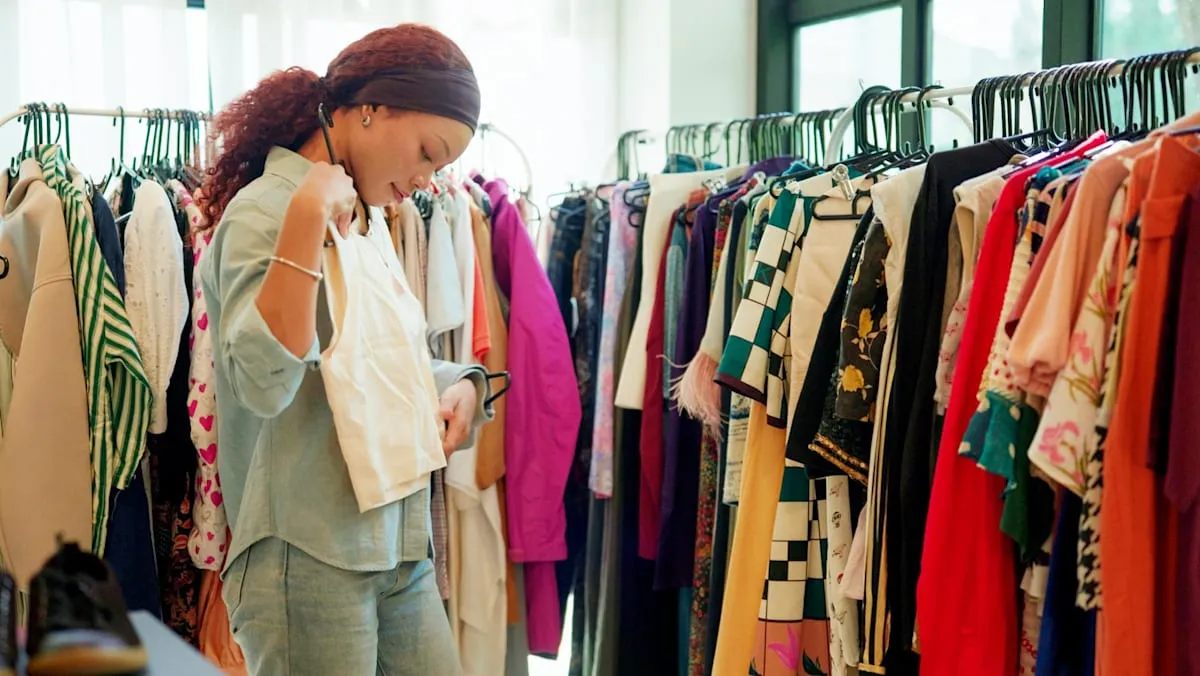
JAKARTA – The paradox of a wardrobe overflowing with clothes yet yielding the familiar lament of nothing to wear is increasingly prevalent across global urban societies. This phenomenon not only triggers financial waste and emotional fatigue but also reflects deep-seated consumption patterns rooted in psychological aspects. Psychologists and professional organizers are now shedding light on the complexities behind this fashion dilemma, offering practical solutions to optimize existing apparel possessions.
According to consumer psychology experts, this issue often stems from what is termed the paradox of choice. When confronted with an excessive number of options, individuals tend to experience mental burden and even anxiety, rather than liberation. Instead of feeling empowered, they become overwhelmed, transforming the seemingly simple act of choosing an outfit into a daunting task.
Professor Elizabeth Johnson, a behavioral psychologist from the University of Indonesia, explains that this effect is exacerbated by the mass consumption culture and fast fashion trends currently dominating the market. The ease of access to inexpensive clothing and rapidly shifting trends leads us to continuously purchase without deep evaluation of our needs or personal style, she states. Consequently, our closets become filled with items that do not align with each other or our true identity.
Beyond the paradox of choice, emotions play a vital role. Many individuals buy clothes in response to stress, excitement, or even the perceived need to keep up with social standards. However, the fleeting euphoria of a purchase is often replaced by regret or long-term dissatisfaction, especially if the item is rarely worn.
Professional stylist, Clara Wijaya, who has assisted hundreds of clients in reorganizing their wardrobes, emphasizes the importance of organization and defining personal style. Many of my clients own many good items, but they are disorganized, or they do not know how to mix and match them, or most importantly, they have not yet discovered their true personal style, Clara elaborates. She highlights that without this understanding, buying more clothes will only exacerbate the problem.
Clara advises individuals to conduct a regular wardrobe detox. This process involves evaluating each clothing item, sorting out what is genuinely worn, what remains suitable, and what should be donated or recycled. This practice helps create clearer physical and mental space.
Beyond mere decluttering, a holistic approach includes developing a capsule wardrobe. This concept encourages owning a small collection of versatile clothing items that can be mixed and matched into various combinations, suitable for diverse occasions. The focus shifts from quantity to quality and functionality.
Mindful shopping also emerges as a crucial strategy. Before acquiring a new item, it is essential to ask: Do I truly need it? Does it align with my personal style? Can it be paired with at least three other items I already own? These questions help curb impulse purchases and ensure every acquisition is a well-considered decision.
The impact of the full wardrobe, nothing to wear phenomenon extends beyond the individual level. The fast fashion industry carries a significant carbon footprint and contributes substantially to textile waste. By adopting more conscious consumption habits, society indirectly contributes to environmental sustainability.
Education regarding personal style and wardrobe management becomes increasingly relevant in 2026, a year marked by heightened awareness of environmental impact and individual mental well-being. Investing time in understanding oneself and one's style needs is a far more valuable long-term investment than fleeting fashion purchases.
Editorial Insight: The full wardrobe, nothing to wear phenomenon is not merely a fashion issue; it reflects a deep-seated consumerist mindset. A paradigm shift from accumulation to curation, from quantity to quality, is necessary. The solution does not lie in acquiring more items but in self-understanding, intelligent organization, and more deliberate purchasing decisions. This is a relevant challenge for modern society, constantly bombarded by trends and promotions.