 Debby Wijaya
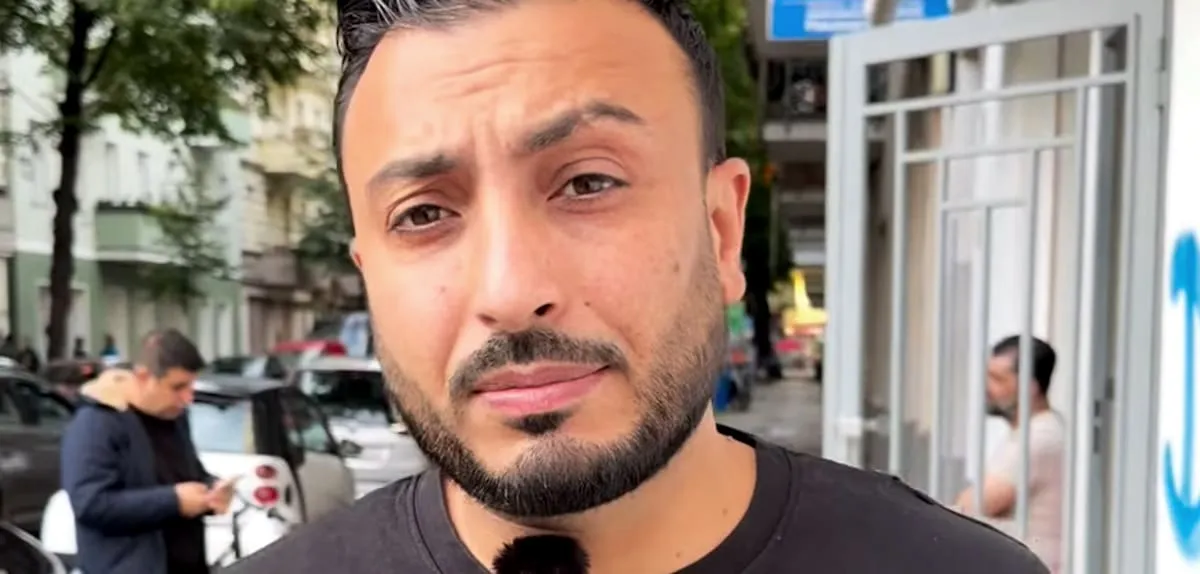
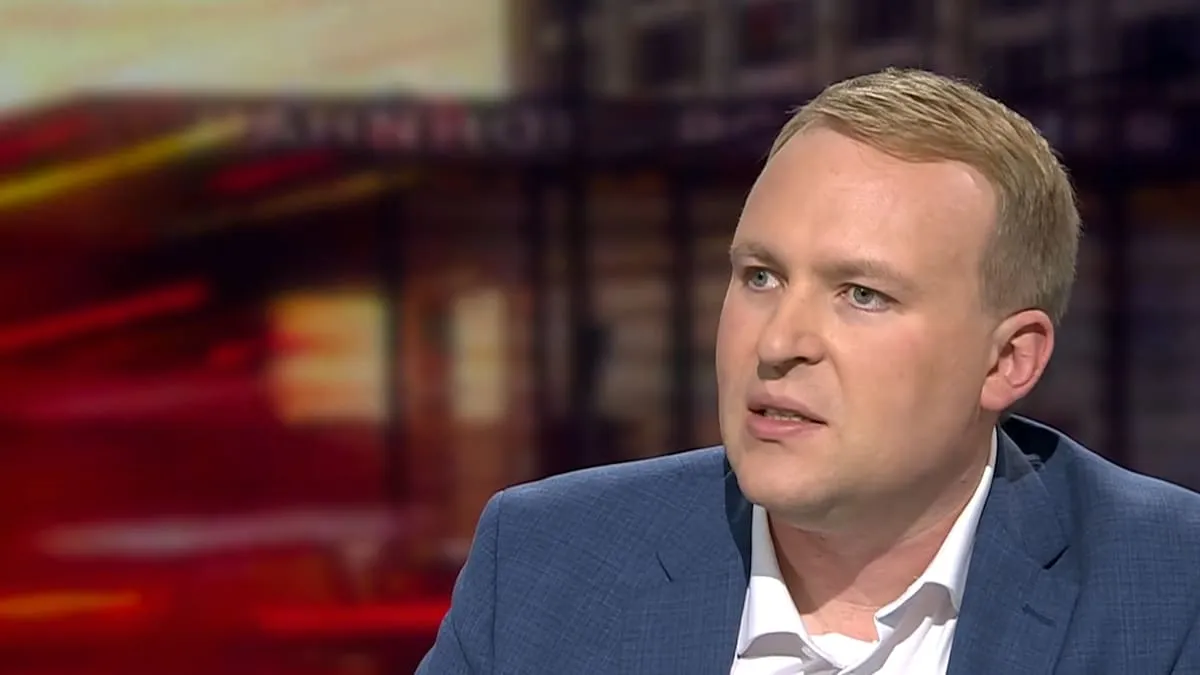
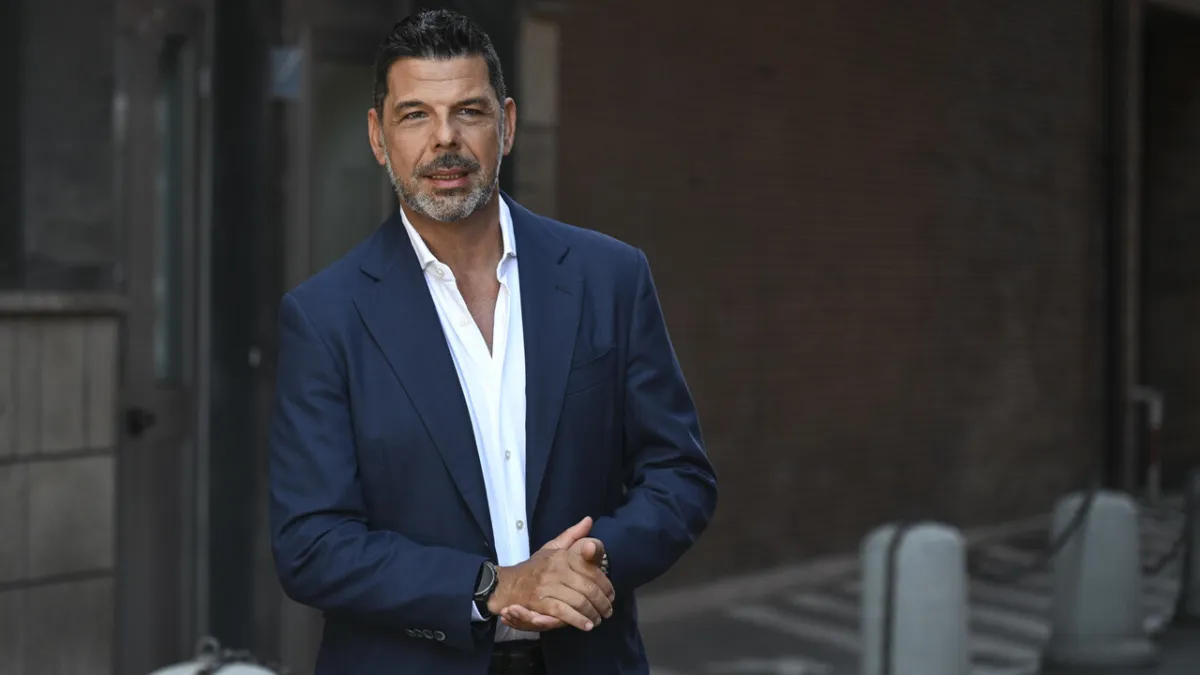
Berlin – Basem Said, a candidate from the Left Party (Die Linke) for the Neukolln constituency in Berlin, has sparked widespread controversy after openly calling for a 'Wahlintifada' via social media platforms. This appeal, emerging ahead of the Berlin election in 2026, urges voters to give full support to the Left Party while launching sharp criticism against all other political parties.
The term 'Wahlintifada' itself is at the heart of the controversy. Historically, 'Intifada' refers to a mass uprising or resistance, particularly in the context of geopolitical conflict. The use of this terminology in the German electoral political arena is deemed provocative and potentially implies a call for resistance against the established political system, fueling an intense debate about the boundaries of political expression.
Said, through his post, appears to aim at mobilizing a dissatisfied voter base and encouraging active participation in what he describes as a political struggle. This is a bold strategy that risks attracting extreme attention, from both supporters and opponents.
The Left Party (Die Linke) is a political force rooted in German socialist and communist traditions. The party often champions issues of social justice, equality, and opposition to neoliberal policies. Linke's support base is often concentrated in areas that have historically expressed dissatisfaction with government policies.
Said's criticism of all other political parties highlights his distrust of the existing system. Although the details of his criticism are not specific, this narrative is consistent with the Left Party's rhetoric, which often challenges the status quo and demands fundamental structural changes in German society and economy.
The 'Wahlintifada' call has sparked diverse reactions. Critics accuse Said of using inflammatory and potentially divisive rhetoric, while supporters see it as an act of courage and a necessary call for profound political reform. This debate is expected to intensify as election day approaches.
The impact of this controversial call on the election results in Neukolln and Berlin as a whole remains to be seen. Whether this narrative will consolidate the Left Party's voter base or alienate moderate voters is a crucial question that will influence electoral dynamics.
The Berlin election 2026 itself holds significant importance for the German political landscape. The German capital often serves as a barometer for national political trends and an arena for various coalition experiments. Shifts in support in Berlin can send ripples across the federation.
This event also needs to be viewed in the context of broader German political dynamics, where extreme parties often seek attention through anti-establishment rhetoric. As highlighted in the related article Political Scandal in Germany: Linke Demands Vote of Confidence for Mario Voigt in Thuringia, the Left Party is indeed active in challenging the dominance of other parties.
Editorial Insight:
Basem Said's political communication strategy through the 'Wahlintifada' call is a high-risk move. While it might succeed in energizing a small segment of voters and attracting media attention, the use of sensitive terminology like this has the potential to damage the party's image among broader, more moderate voters. This reflects a shift in voter mobilization efforts in the digital age, where strong rhetoric is often chosen to cut through information noise, but with untested consequences for democratic legitimacy. The challenge for Linke is how to balance radical messages with the need to attract support across various segments of society.