 Gabriella
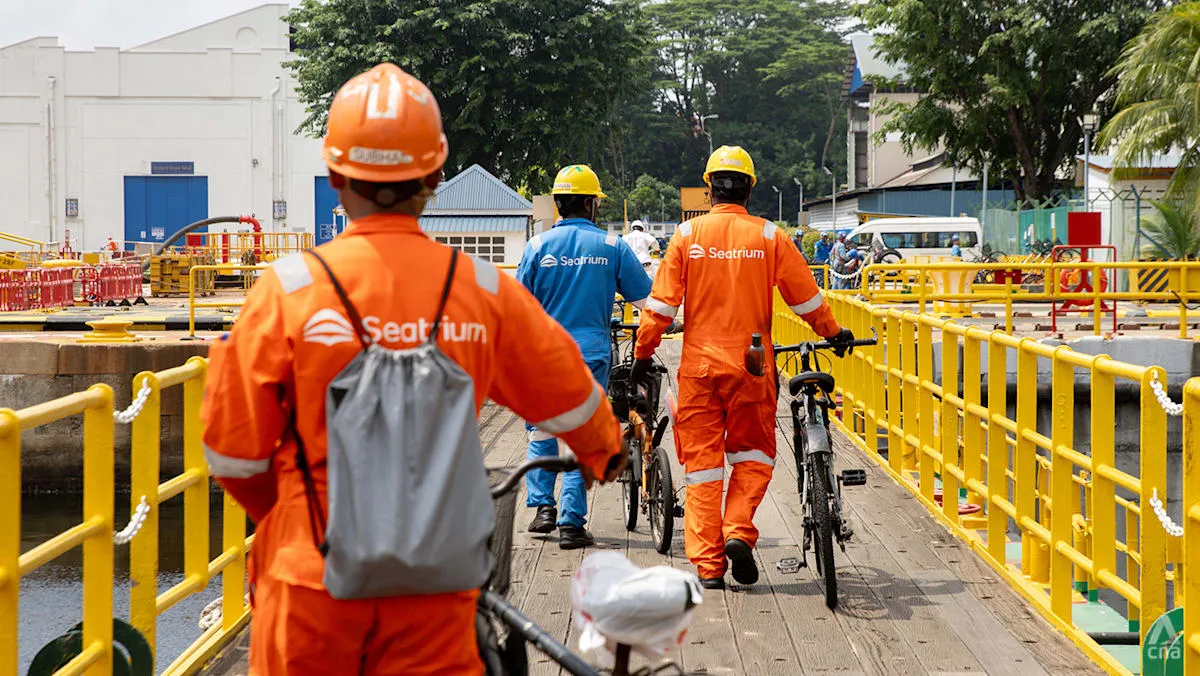
SINGAPORE – Giant shipyard company, Seatrium, announced a significant workforce restructuring that will affect approximately 220 of its employees in Singapore. This decision is a direct consequence of efforts to consolidate its shipyard network following the merger of Sembcorp Marine and Keppel Offshore & Marine in 2023, marking the first workforce restructuring since the new entity was formed.
This operational consolidation aims to enhance efficiency and align the business structure after the unification of the two major players in the maritime industry. Seatrium management stated that this strategic move is essential to ensure the company's sustainability and competitiveness in an increasingly challenging global market. This reorganization is expected to create stronger synergies among the assets owned.
The merger, which took place in 2023, created the largest maritime entity in Asia, with hopes of optimizing resources and capabilities. However, workforce restructuring is often an integral part of such large-scale integrations, aimed at eliminating duplicate functions and streamlining operations.
The affected employees, numbering around 220, have received notifications and will receive support in accordance with company policies and Singapore's labor regulations. Information regarding severance packages and career transition assistance is being prepared to help them navigate these changes.
This decision is also in line with global trends in heavy industry and manufacturing, where companies continuously seek ways to optimize costs and improve productivity through technology and process re-engineering. Singapore's maritime industry, as a global hub, is not exempt from these adaptive pressures.
The company is committed to ensuring a fair and transparent transition for all employees involved. Support programs include career counseling, retraining, and job placement assistance in other demanding sectors.
Management emphasized that this restructuring is a proactive step. It is not an indication of poor business performance but rather a strategic effort to strengthen the company's foundation for long-term growth.
This consolidation of shipyards in Singapore merits close attention, highlighting the challenges faced by heavy industries amid the global economic dynamics of 2026.
Furthermore, the impact of this restructuring is expected to spark discussions about the future of employment in Singapore's maritime sector. It will be important to observe how the government and labor unions collaborate to mitigate its social impact.
Similar steps have been seen in other sectors in Singapore, as highlighted by the news Mega Telecoms Merger Rocks Singapore, which also had the potential to trigger workforce restructuring. This illustrates that industrial consolidations often come with significant implications for the job market.
Editorial Insight: Seatrium's decision exemplifies the dilemma often faced by corporations post-merger. Optimizing efficiency and creating synergy are indeed crucial for survival in competition, but the implications for human resources cannot be overlooked. The challenge for Seatrium now is how to maintain the morale of the remaining employees while ensuring productivity, all while proving that this restructuring truly brings long-term benefits to the company and Singapore's maritime ecosystem.