 Stefani Rindus
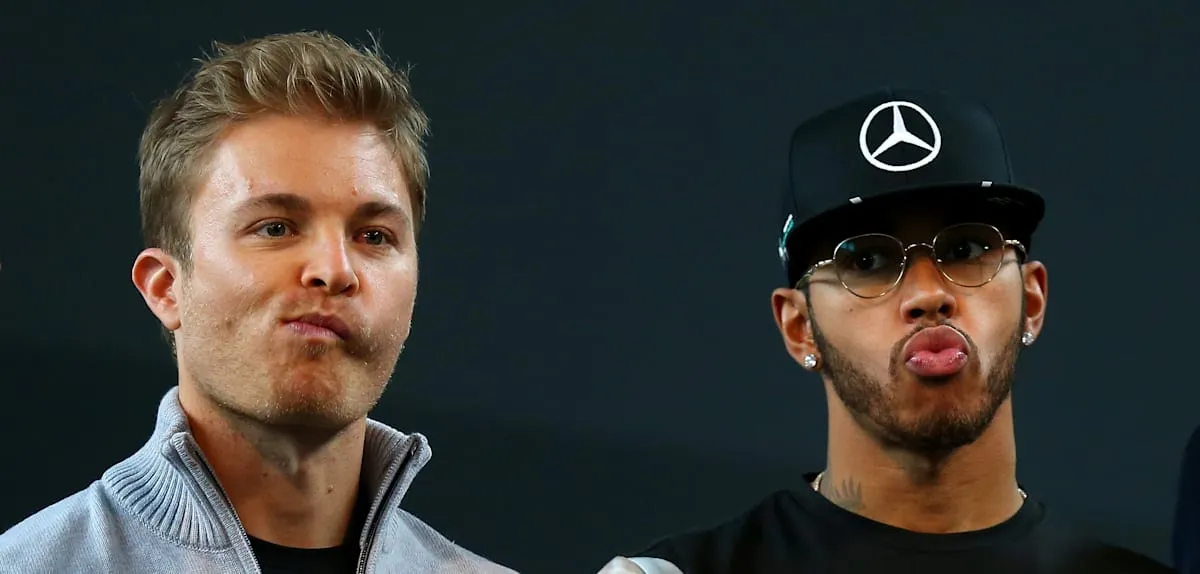
MONACO – Nico Rosberg, the legendary driver who surprisingly announced his retirement from Formula 1 in 2016 immediately after claiming the world championship title, is once again in the spotlight. Eight years after that drastic decision shook the racing world, an exclusive interview uncovers the reasons behind his unexpected move, highlighting the turbulent days that preceded one of the quickest retirements in motorsport history.
Rosberg reached the pinnacle of his career in the 2016 season. After years of intense competition, he finally managed to overcome his teammate and eternal rival, Lewis Hamilton, in a fierce battle for the world championship crown. This victory was not merely a personal achievement but also a long-awaited triumph for the Mercedes team, hoping their dominance would yield a title for one of their drivers.
However, the euphoria of victory was short-lived. Just days after celebrating his maiden title, Rosberg made a startling announcement: he would retire from Formula 1 with immediate effect. The decision sparked a wave of questions and speculation, considering his relatively young age and his position as the reigning world champion.
Many wondered why an athlete at the peak of his performance would abandon such a grand stage. Media and fans alike sought answers to this enigma, which for years remained one of the biggest mysteries in modern Formula 1.
The recent interview, which serves as the source of this information, provides deep insight into the immense pressure Rosberg faced. He explained that the grueling journey to the 2016 world championship demanded massive personal and mental sacrifices, far exceeding what was visible on the racetrack.
Rosberg openly admitted that the intense relationship and fierce rivalry with Lewis Hamilton, which had existed since their karting days, reached its zenith in 2016. This dynamic, while fueling extraordinary performance, also created profound personal tension.
The essence of the interview hinted that victory came at a heavy price, not just physically but emotionally. There were tensions and possibly unresolved issues between him and Hamilton, even after the title was secured, which formed part of the 'turbulent' experience he endured.
This early retirement decision freed Rosberg from the burden of public expectation and pressure that invariably accompanies a world champion. He expressed a desire to spend more time with his family and pursue other interests outside the fast-paced world of racing.
His courageous step also serves as a valuable lesson about priorities in an athlete's life. For Rosberg, mental well-being and personal happiness were far more important than continuously chasing titles in a highly competitive and draining racing arena.
Since his retirement, Rosberg has remained active in the automotive world, but in a different capacity. He has become a racing pundit, an investor in various green technology companies, and an advocate for sustainability. His current roles allow him to contribute to the sport and industry without the extreme competitive pressures.
Rosberg's legacy is remembered not only as the 2016 F1 world champion but also as an individual who dared to make an unconventional choice for his personal well-being. His decision sets a rare precedent for other professional athletes to consider their physical and mental limits.
His retirement story reminds us that behind the glamour of professional sports, there are human beings with all their vulnerabilities and aspirations. Rosberg's choice to quit at the top is a testament to personal strength and the courage to prioritize oneself.
Eight years later, a retrospective look at this crucial 2016 moment offers new clarity. There is no regret from Rosberg, but rather a conviction in the right choice for him, even if it meant leaving a stage many only dream of.
Editorial Insight: Nico Rosberg's decision to retire immediately after reaching the pinnacle of his career in 2016 remains a compelling case study in professional sports. It highlights that behind the spotlight and glory of victory, mental pressure and personal sacrifice can reach a saturation point. His story serves as a vital reminder for sports federations and teams to pay greater attention to the holistic well-being of athletes, beyond mere on-field performance. In the era of modern sports in 2026, the relevance of this discussion is increasingly prominent, especially with rising awareness of mental health among elite athletes.