 Stefani Rindus
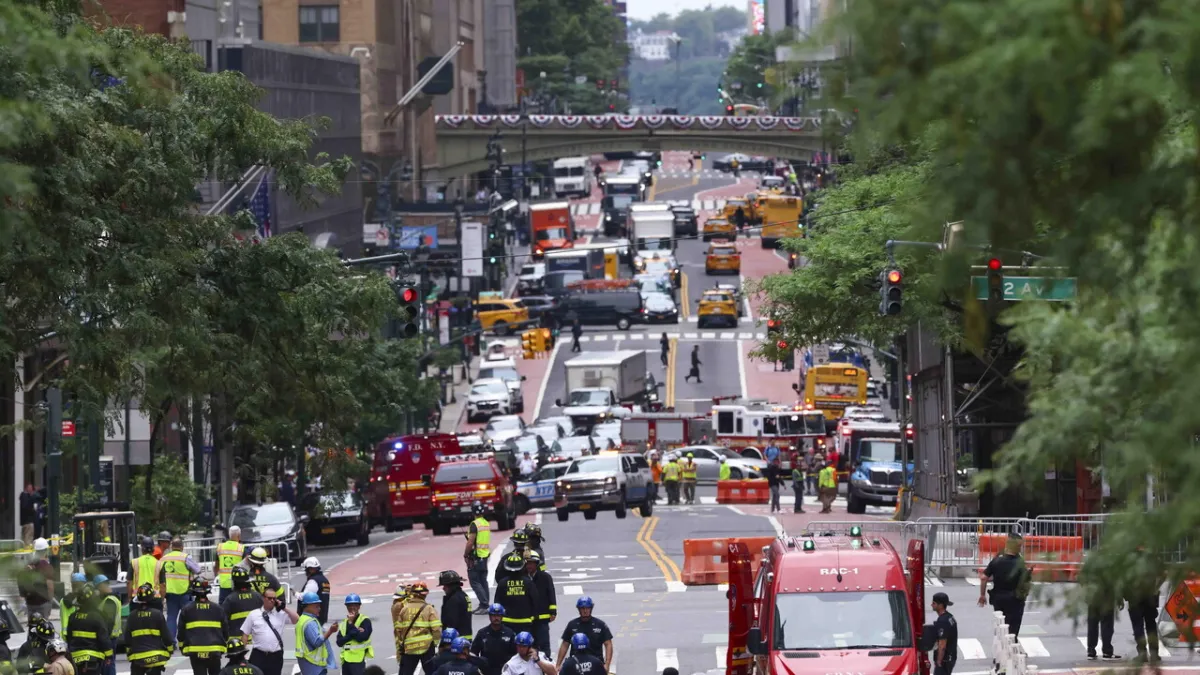
NEW YORK — Fears of a potential partial collapse have gripped the heart of Manhattan after a skyscraper sustained significant structural damage, prompting authorities to immediately cordon off the surrounding area and cause widespread traffic paralysis. The incident, occurring in 2026, has triggered a high state of alert among residents and the city government.
New York Mayor Mamdani personally confirmed the precarious condition. In his statement, he revealed that “two columns of the building have bent, accompanied by clear cracks and signs of structural subsidence.” Initial assessments by city authorities indicate the building remains stable, but they do not rule out “days of tension” ahead.
The incident's epicenter is located in a densely populated commercial area of Manhattan, adding complexity to the emergency response. Hundreds of officers have been deployed to secure the site, divert traffic flows, and ensure the smooth evacuation of affected areas. Barriers have been erected far around the building to minimize risks to the public.
The most immediate and palpable impact is severe traffic congestion. Major roads around the damaged site are impassable, forcing thousands of commuters to seek alternative routes and adding strain to an already crowded public transportation system. Transport authorities are urging citizens to use public transit or postpone non-essential travel.
Structural engineering experts have been deployed to conduct a comprehensive assessment. They are working tirelessly to determine the true extent of the damage and potential further risks. The primary focus is on the structural integrity of the foundation and the main framework of the building.
Mamdani emphasized that the top priority is public safety. “We will not take any risks. Every step will be taken with maximum consideration to protect lives and property,” the Mayor stated, reiterating his administration's commitment to this crisis situation.
This incident serves as a stark reminder of the importance of regular inspections and maintenance of urban infrastructure, especially in metropolitan cities with numerous skyscrapers. The presence of cracks and bent columns indicates serious structural stress.
Residents of surrounding buildings are also experiencing direct impacts. Some have been evacuated as a precautionary measure, while others have been instructed to remain vigilant and follow directives from emergency personnel. A palpable sense of tension is evident on the faces of the residents.
Damage to a tall building like this has the potential to cause substantial economic losses, not only from repair and reconstruction costs but also from disruptions to businesses and economic activities in the vicinity. The city government is preparing economic mitigation measures.
A thorough investigation will be conducted to ascertain the precise cause of this damage, whether due to the building's age, design flaws, materials, or the impact of external events. The investigation results are expected to provide valuable lessons for future prevention.
In the coming days, the technical team will provide an initial report on the building's stability. Crucial decisions regarding whether the building needs to be reinforced, restored, or even demolished will heavily depend on these findings. The public anxiously awaits further developments.