 Demian Sahputra
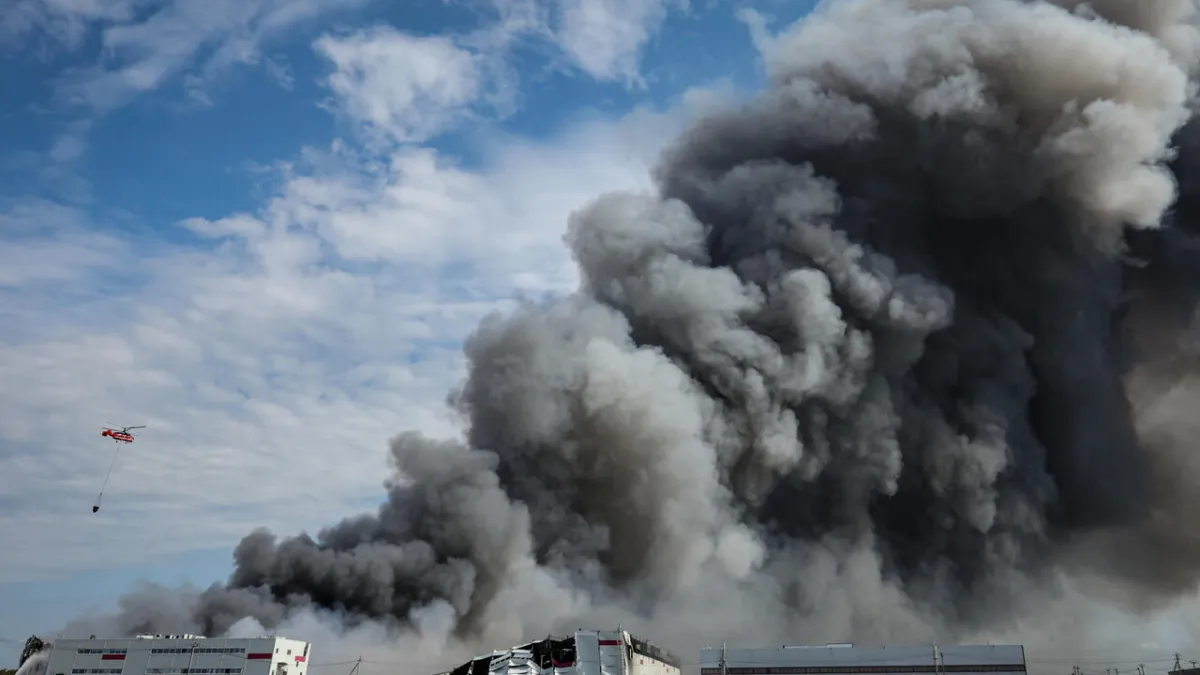
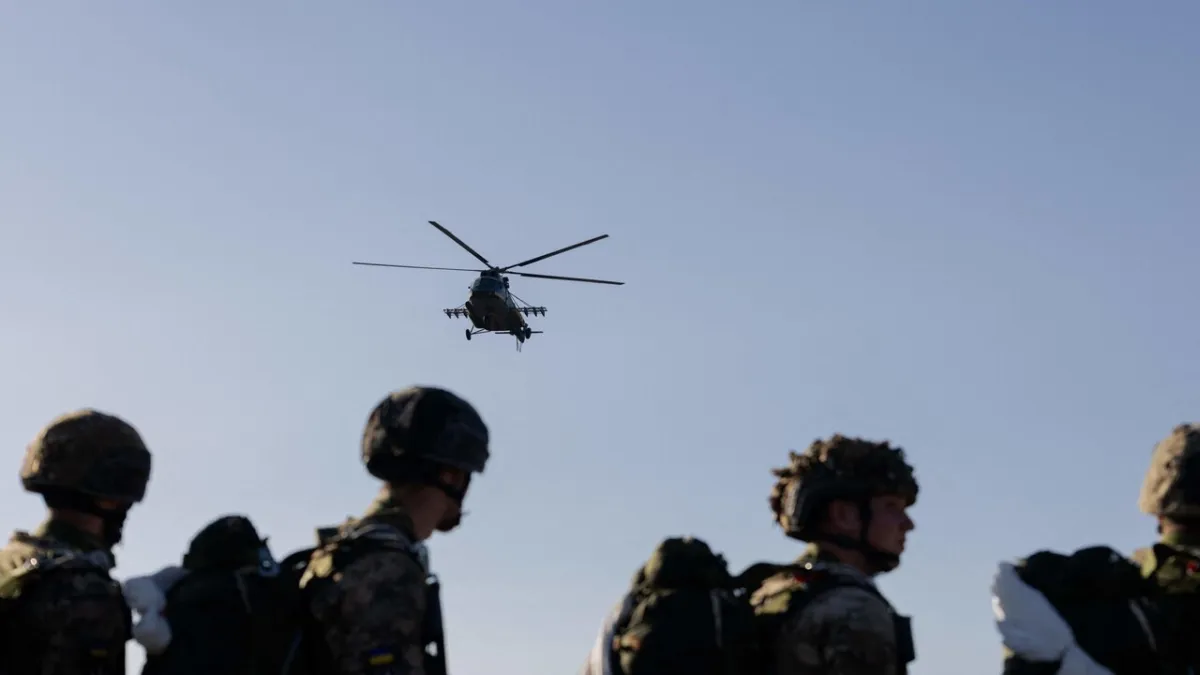
Moscow – The Russian capital, Moscow, experienced one of the largest and most intense drone attacks throughout the ongoing conflict. Early last night, a massive wave consisting of approximately 620 unmanned aerial vehicles struck various areas of the city, causing panic and significant damage. One building was reported to be heavily ablaze, and several citizens sustained injuries due to the incident in 2026.
Initial data released by local authorities indicate that Russia's air defense system successfully intercepted and destroyed about 180 drones before they reached vital targets. However, hundreds more managed to penetrate defenses, causing damage to several buildings and urban infrastructure.
This attack marks a serious escalation in the dynamics of the conflict. Military observers describe the scale of this attack as a large-scale provocation designed to test Moscow's defense capabilities and create widespread psychological impact.
Residents of Moscow were awakened by the sound of explosions and emergency sirens piercing the night's silence. Testimonies from various sources indicate that the night sky was filled with flashes of anti-aircraft fire and drones flying over high-rise buildings.
I was woken by a strong tremor. The windows rattled, and I saw flames in the distance, said a resident named Elena Petrova, who lives near the fire. This is no longer just a warning; this is a full-blown assault.
The impact of this drone attack was concentrated in several vital areas of the capital. Initial reports indicate:
- One main building suffered a severe fire, with firefighters battling hard to extinguish the blaze.
- Several other buildings, including residential and commercial properties, reportedly sustained light to moderate structural damage.
- A number of individuals suffered minor to moderate injuries, mostly from debris or shattered glass.
The Russian government, through its Ministry of Defense, has issued an official statement condemning the attack. They vowed to retaliate firmly against those responsible for this escalation. The statement emphasized that such actions would not weaken Russia's resolve.
Although the source of the attack was not specifically mentioned in initial reports, escalations of this kind are widely associated with the prolonged conflict in Eastern Europe. This is not the first time drones have been used as an instrument of strategic pressure.
Previous drone attacks on Russian territory have been a concern. See our related article Russia Threatens UK: London-Made Ukrainian Drones Trigger Escalation for further context.
This incident also raises questions about the effectiveness of air defense systems around the capital, given the number of drones that successfully penetrated and caused damage. Further analysis is needed to evaluate gaps in the defense network.
Security conditions in Moscow are now tightened. Military and police patrols have been increased, and residents are urged to remain vigilant and report suspicious activities to the authorities. Emergency services remain on high alert.
The international community is monitoring the situation closely. This large-scale attack has the potential to increase global tensions and trigger a chain reaction from various parties involved in the regional conflict.
This event occurs years after various peace initiatives and ceasefires have continuously failed to find common ground, indicating that de-escalation efforts remain a major challenge.
Editorial Insight: The massive drone attack on Moscow in 2026 is not merely a military incident but a strong strategic message. The scale of the assault indicates that the attacking party possesses significant capacity and willingness to target the adversary's heart, regardless of consequences. This incident has the potential to trigger a wave of harsher responses from Russia, bringing the conflict into a new, more dangerous phase of escalation for global stability. Moscow's air defense, while intercepting many drones, still showed vulnerabilities that could be exploited in the future.