 Edward DP Situmorang
KUMAMOTO — A powerful earthquake struck Kyushu Island, Japan, in the early hours of 2026, claiming at least 13 lives, injuring hundreds, and forcing over 300,000 residents to evacuate their homes. The earthquake's epicenter, located near Kumamoto Prefecture, triggered massive infrastructure damage and raised concerns about larger aftershocks, with several individuals reportedly still trapped under debris.
The violent tremors were felt across various parts of Kyushu, catching many people in their deep sleep. Initial reports from local authorities indicate numerous collapsed buildings, disrupted transportation routes, and compromised electricity and water supplies. Search and rescue operations are intensely underway, involving emergency teams and the Japan Self-Defense Forces.
Japanese government officials extended their deepest condolences for the lives lost and instructed all relevant agencies to prioritize rescue efforts and emergency response. Prime Minister Kishida Fumio, serving in 2026, promptly convened an emergency meeting with his cabinet to coordinate the national response.
Over 300,000 people have been evacuated to temporary shelters such as schools and community centers. Conditions in these shelters are reported to be crowded, although logistical aid has begun to arrive. The primary focus now is to ensure the availability of food, clean water, blankets, and medical necessities for the displaced.
Seismology experts from the Japan Meteorological Agency (JMA) have issued warnings about the potential for significant aftershocks. They urged residents to remain vigilant and follow evacuation instructions for collective safety. Seismic activity in the region is known to be high, yet the magnitude of this particular earthquake surprised many.
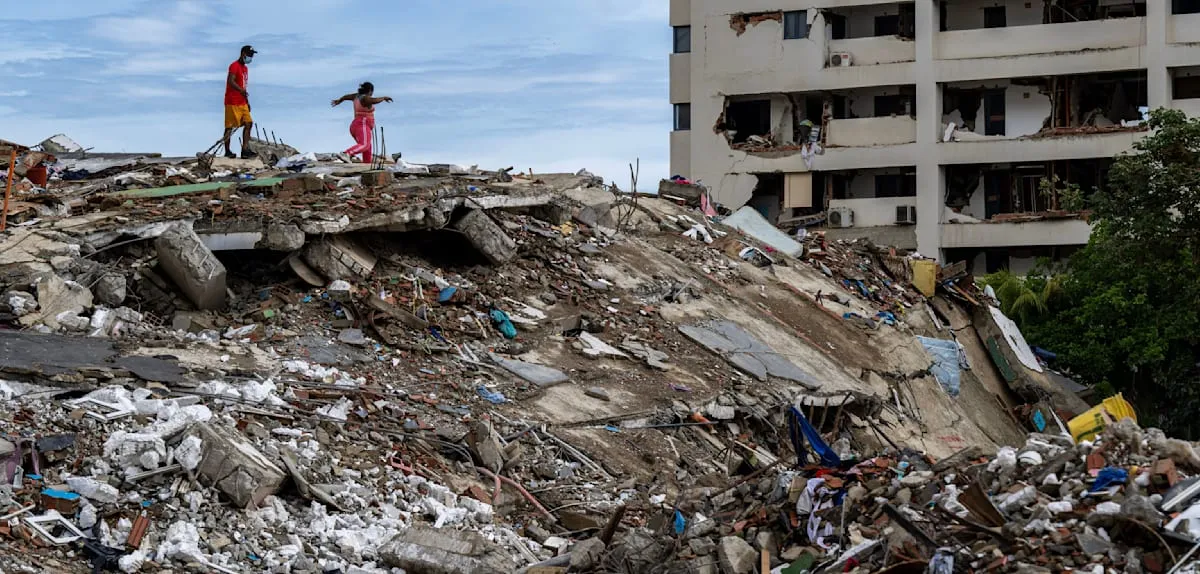
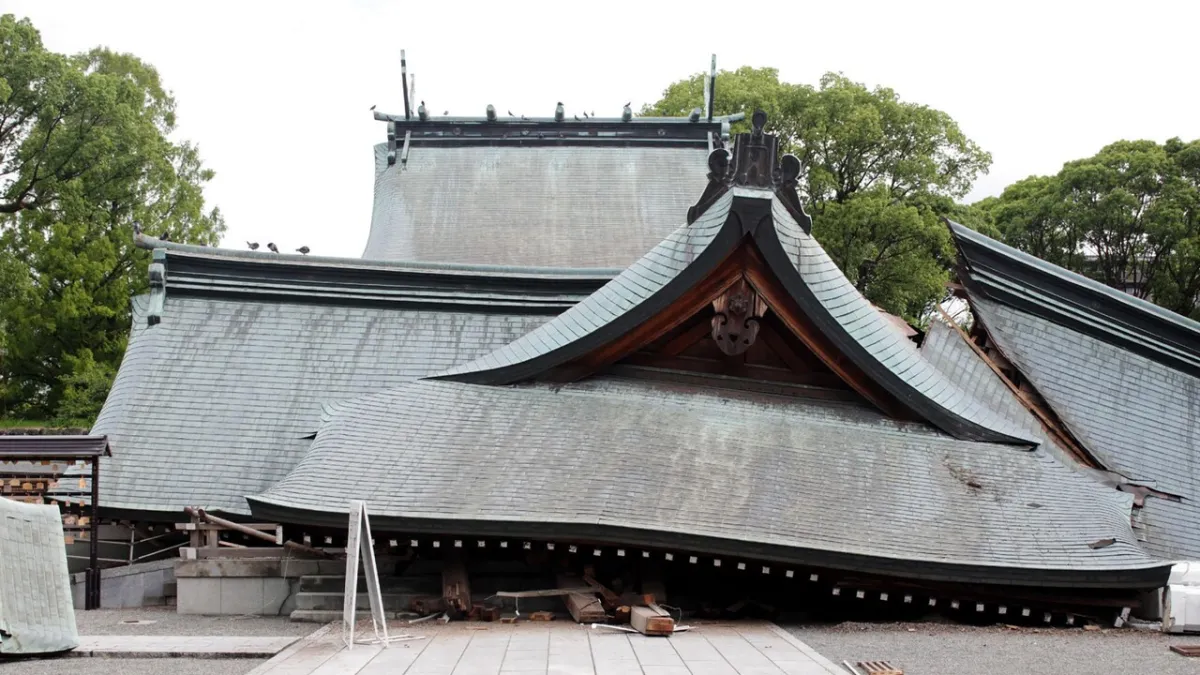
Structural damage is evident in various cities across Kumamoto Prefecture. Many traditional Japanese wooden houses and modern buildings have crumbled, leaving behind scattered debris. Damage assessment teams are now working diligently to ascertain the scale of destruction to prepare for the rehabilitation phase.
The international community has also expressed sympathy and offered assistance. Several neighboring countries have indicated their readiness to dispatch rescue teams or emergency supplies if required by the Japanese government. Global solidarity is hoped to alleviate the post-earthquake burden.
This incident once again reminds Japan of its vulnerability to natural disasters, especially earthquakes. The country's disaster mitigation system is renowned for its sophistication, but the immense power of this tremor highlights the ongoing challenges in confronting unpredictable natural forces.
Reports from hospitals confirm that most injured victims sustained fractures, bruises, and lacerations from falling debris. The availability of medical facilities and healthcare personnel is crucial in responding to this emergency.
The government's current focus is divided between rescuing trapped victims and managing large-scale displacement. The public is advised against spreading unverified information to avoid panic and urged to continuously monitor official updates from the authorities.
This earthquake has not only taken lives and damaged property but also left deep trauma for the survivors. Psychologists and mental health volunteers are being mobilized to provide support to those who have lost loved ones or experienced horrific events.