 Chandra Wijayanto
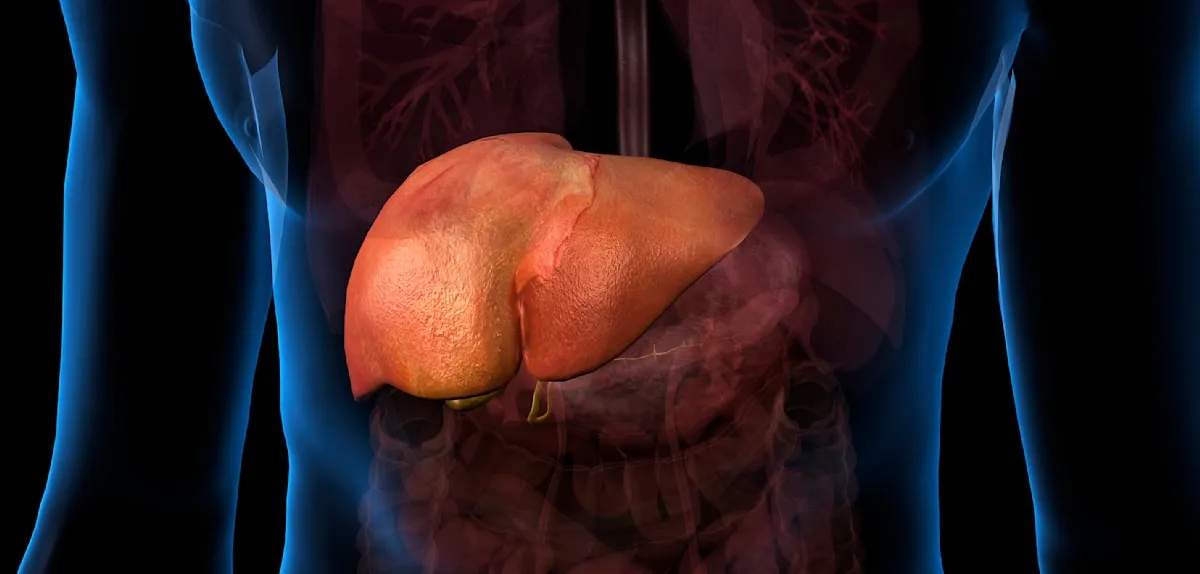
BERLIN – New hope envelops millions of fatty liver disease sufferers worldwide following the publication of two groundbreaking studies poised to fundamentally transform treatment paradigms. These discoveries, assessed by leading hepatologist Jorn Schattenberg, offer a much-anticipated solution for a condition often diagnosed too late, typically when this vital organ has already sustained severe damage. The studies emerge as a beacon of progress amid global health challenges in 2026.
Fatty liver disease, or hepatic steatosis, has long posed a significant public health problem. Statistics indicate that at least one in three Germans over 40 carries this condition. This figure reflects a worrying global prevalence, underscoring the urgency for more effective and early diagnostic and therapeutic methods.
Jorn Schattenberg, an internationally renowned hepatologist, emphasized the profound importance of these findings. The results of these two studies demonstrate the potential for a fundamental change in how we approach and treat fettleber, Schattenberg stated. His optimistic outlook is well-founded, given the complexity and progressive nature of this disease, which often goes unnoticed until advanced stages.
Previously, fatty liver diagnosis frequently occurred incidentally, or when patients already presented with symptoms of serious complications such as liver cirrhosis or even liver failure. This delay not only worsens patient prognosis but also escalates the burden on healthcare systems.
The breakthrough presented by these two studies focuses on more precise therapeutic approaches and interventions capable of halting or even reversing the progression of liver damage. Specific details of these therapies, although still undergoing further clinical trials, have sparked optimism within the medical community.
Managing fatty liver disease relies not only on lifestyle changes, such as diet and exercise, but also necessitates effective pharmacological interventions. These latest studies pave the way for treatment options that directly target the pathological mechanisms underlying fat accumulation in the liver.
The impact of these discoveries is projected to be far-reaching. If proven effective and safe on a larger scale, these new therapies could significantly reduce morbidity and mortality rates associated with fatty liver disease. They also hold the potential to reshape screening and early detection practices in healthcare facilities.
The global community, particularly in 2026, is increasingly aware of the importance of preventive health and early intervention. The emergence of such medical breakthroughs provides a critical moment to elevate public awareness regarding the risks and management of fatty liver disease.
The role of research and development in hepatology remains paramount. Sustained investment in science and innovation is key to overcoming the challenges of chronic diseases that threaten the quality of life for millions. These two studies stand as tangible evidence of scientists' dedication.
Jorn Schattenberg's statement offers renewed encouragement, We are on the cusp of a new era in fatty liver management, where early detection and effective intervention are no longer merely hopes but an increasingly close reality. This marks a paradigm shift from symptom management to restorative treatment.
Editorial Insight: This breakthrough in fatty liver treatment is crucial news that highlights the urgency of investing in medical research. Given the high prevalence of the disease and its serious health implications, innovations like these have immense potential not only to save lives but also to reduce the global economic burden caused by chronic illnesses. Moving forward, the challenge will be to ensure equitable accessibility and implementation of these new therapies.