 Robert Andrison
Zurich — The South American Football Federation (CONMEBOL) in 2026 is vocally expressing its enthusiasm for the idea of a 2030 World Cup involving 64 participating teams. This ambitious proposal is not merely about increasing the number of contestants; it is a strategic plan expected to revolutionize the tournament format while significantly boosting revenue, especially as part of the celebration of a century of global football.
The expansion discourse emerges as FIFA prepares for the 2026 World Cup, which has already expanded the number of teams from 32 to 48. The next step towards 64 teams in the 2030 edition, marking 100 years since the first World Cup in Uruguay, is seen as the pinnacle of the evolution of the world's largest tournament.
The CONMEBOL President, whose identity remains undisclosed but is a central figure behind this proposal, expressed confidence that adding teams would broaden the sport's global reach and provide more opportunities for nations that have historically struggled to reach the finals. This is also considered a valuable legacy for future generations.
Economically, the 64-team model promises an unprecedented surge in revenue. With more matches, television rights, sponsorships, and ticket revenues are projected to skyrocket. These additional funds can be allocated to football development worldwide, especially in developing countries.
However, expanding the scale of the tournament also brings significant logistical challenges. Hosting 104 matches or more will demand extraordinary stadium infrastructure, accommodation, and transportation from the host nations. Coordination among organizing countries, considering the 2030 World Cup is likely to be multi-hosted, will be a crucial factor for success.
Intensive discussions between FIFA, led by President Gianni Infantino, and other continental confederations are expected to materialize soon. Infantino himself is known as a pro-expansion figure, seeing it as a way to realize a truly global and inclusive vision for football. This 64-team concept aligns with that philosophy.
Several format schemes have been considered to accommodate 64 teams, ranging from 16 groups of four teams each to more complex formats to reduce the number of matches in the initial phase. Whatever the scheme, the primary goal is to maintain the quality of the competition while offering opportunities to more countries.
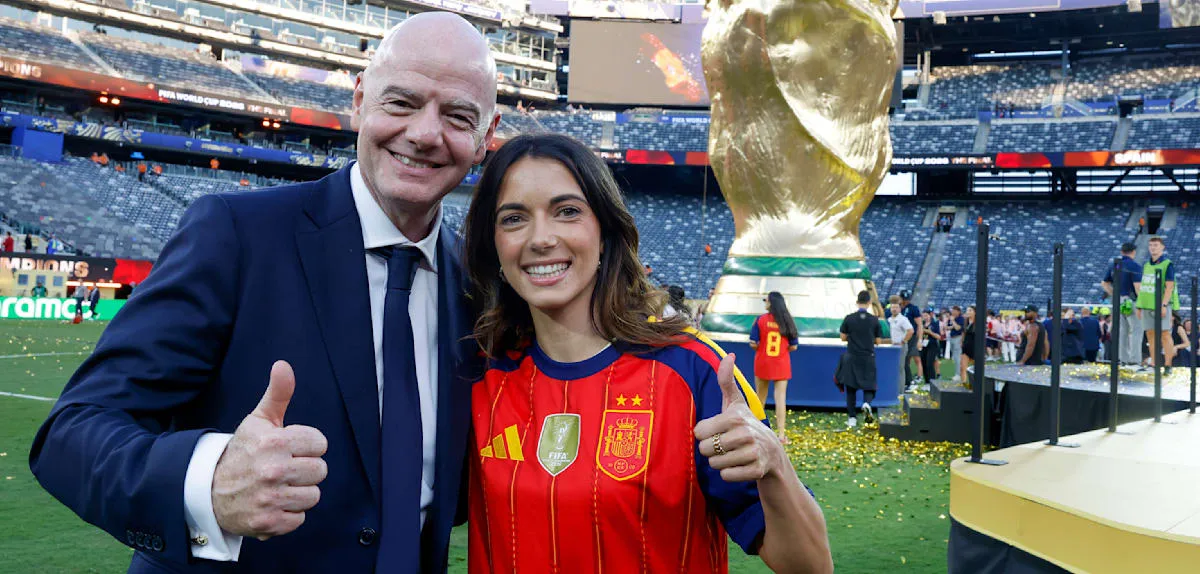
The increase in participants also has the potential to change group stage dynamics, where traditionally underdog teams might create upsets. This promises greater drama and tension, attracting billions of football fans worldwide, while also sparking broader global conversations about football culture and identity. Madrid Lautan Merah! Millions of Fans Welcome Spain as 2026 World Champions is just one example of the euphoria that would be magnified by a larger tournament scale.
Players and national federations will face a more condensed schedule, demanding more careful squad management and adaptive player rotation strategies. Player health and welfare will be a priority, given the higher physical demands of an extended tournament and more matches.
100 years of the World Cup in 2030 is not just a numerical celebration, but a moment of reflection on the extraordinary journey of this sport. Hosting a 64-team tournament will mark an evolution, positioning football as an even greater unifying force on the global stage, far beyond just a game on the pitch. It is an ambitious project promising a new chapter in World Cup history.
Global football observers in 2026 believe that this expansion, while complex, is inevitable. Pressure from federations eager to participate and the enticing potential financial gains are the main drivers. Moving forward, the world will watch how FIFA and all stakeholders carve out a new history for the planet's most anticipated tournament.
The implications of these format changes will be a hot topic of discussion in various football forums for the next few years, ensuring that every detail is carefully considered to maintain the integrity and appeal of the World Cup as the world's biggest sporting event.