 Dodi Irawan
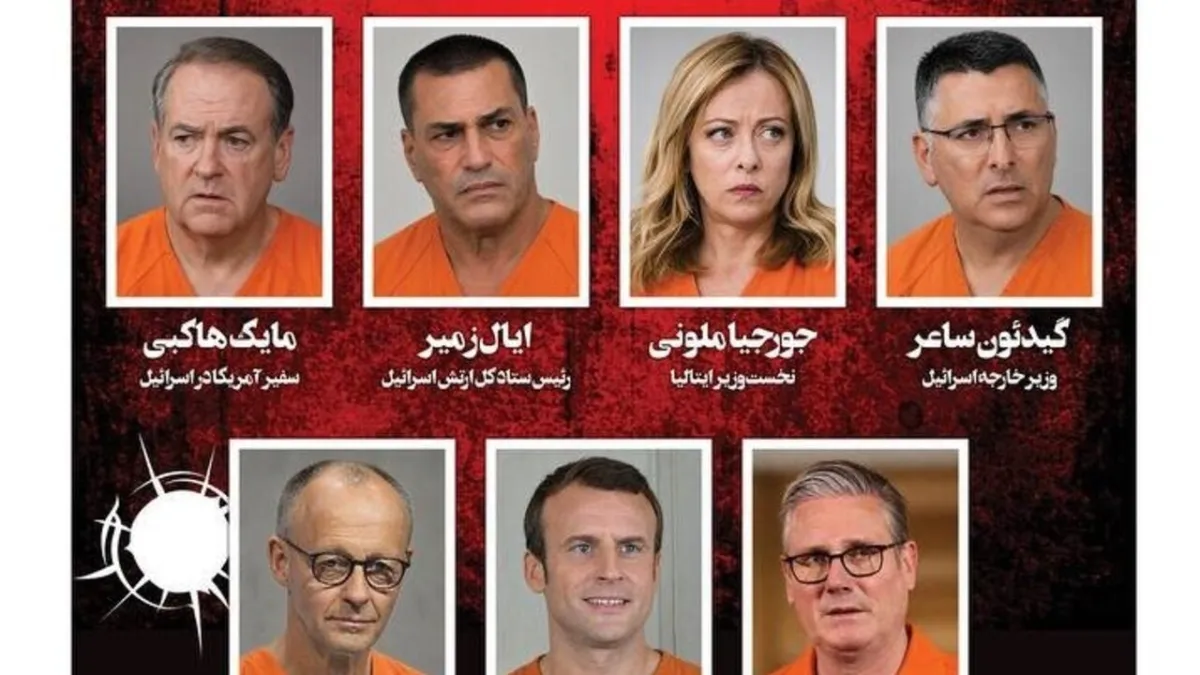
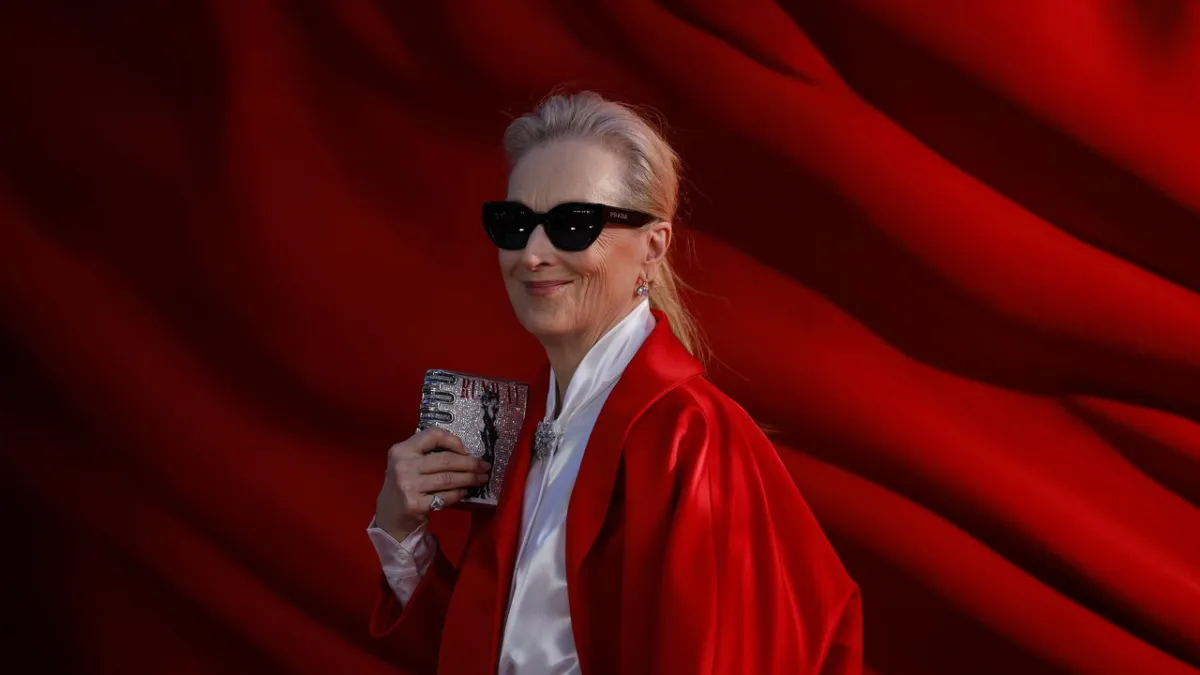
ROME — Italian Prime Minister Giorgia Meloni has found her name listed on a "blacklist" issued by Iran's Supreme Leader, Ayatollah Ali Khamenei. This surprising declaration comes with a serious vow of retaliation from Tehran, sparking new concerns on the international political stage in 2026. The situation places Meloni in a strategic position amid escalating geopolitical tensions.
The statement from Iran indicates that Meloni joins a roster of global figures targeted for Tehran's retaliatory threats, including former United States President Donald Trump and Israeli Prime Minister Benjamin Netanyahu. This marks a significant escalation in Iran's rhetoric against Western leaders and their allies.
Italian Deputy Prime Minister and Minister of Foreign Affairs, Antonio Tajani, promptly expressed his government's full solidarity with Prime Minister Meloni. Tajani asserted that Italy would not be intimidated by such threats, a stance that underscores the nation's commitment to sovereignty and diplomatic principles.
"Prime Minister Giorgia Meloni will not be intimidated by threats from Iran," Tajani firmly stated, highlighting Rome's swift response to Tehran's provocation. This position is expected to strengthen Italy's alliances with Western nations in confronting geopolitical challenges.
Iran's blacklist often targets individuals deemed responsible for anti-Iran policies or actions detrimental to the interests of the Islamic Republic. Meloni's inclusion on this list is interpreted as Iran's response to Italy's support for international sanctions or specific policies disapproved by Tehran.
Global political analysis suggests that this move by Iran is an attempt to exert diplomatic and psychological pressure. However, some observers contend that it could also signal Tehran's intent to respond to what they perceive as foreign intervention or hostility.
Tensions between Iran and the West have indeed reached a critical point. Months prior, the situation in the Middle East heated up when Iran threatened to block the Strait of Hormuz, a vital global oil shipping lane. For more information, please read the report The Middle East is Burning: Iran Blocks Hormuz 2026, US on Full Alert. This tension often involves the United States and its allies, including Israel.
Meloni's involvement in this list also highlights Italy's increasingly active role in global foreign and security policy. Under her leadership, Italy has adopted a firmer stance on various international issues, including counter-terrorism and support for traditional allies. Refer to the article Italy Takes a Firm Stance: War Against Red Terrorism with the United States for a broader context.
The Italian government has repeatedly affirmed its commitment to regional peace and stability but will not sacrifice national security or democratic values. The solidarity expressed by Tajani reflects a political consensus in Rome to defend Meloni's position.
The international community now awaits Iran's next steps and how a collective response from Western nations will materialize. This incident has the potential to spark further discussions regarding strategies to address escalating rhetoric and actions from Tehran in 2026.
This development can also be linked to increasing tensions in the Red Sea, which has seen several incidents involving Iran-backed groups, posing threats to international shipping.