 Edward DP Situmorang
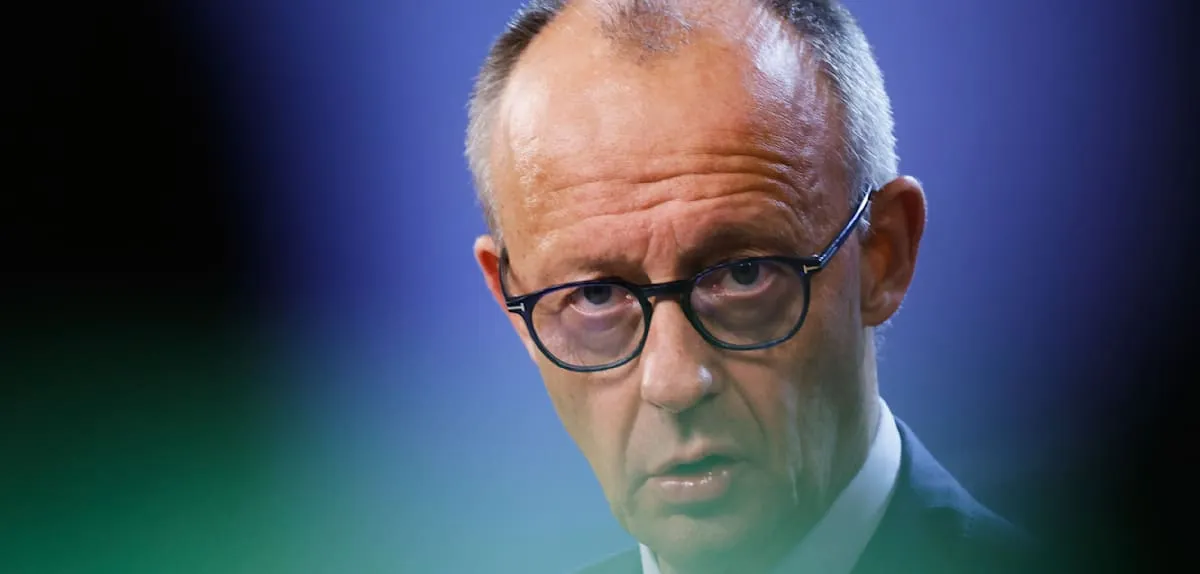
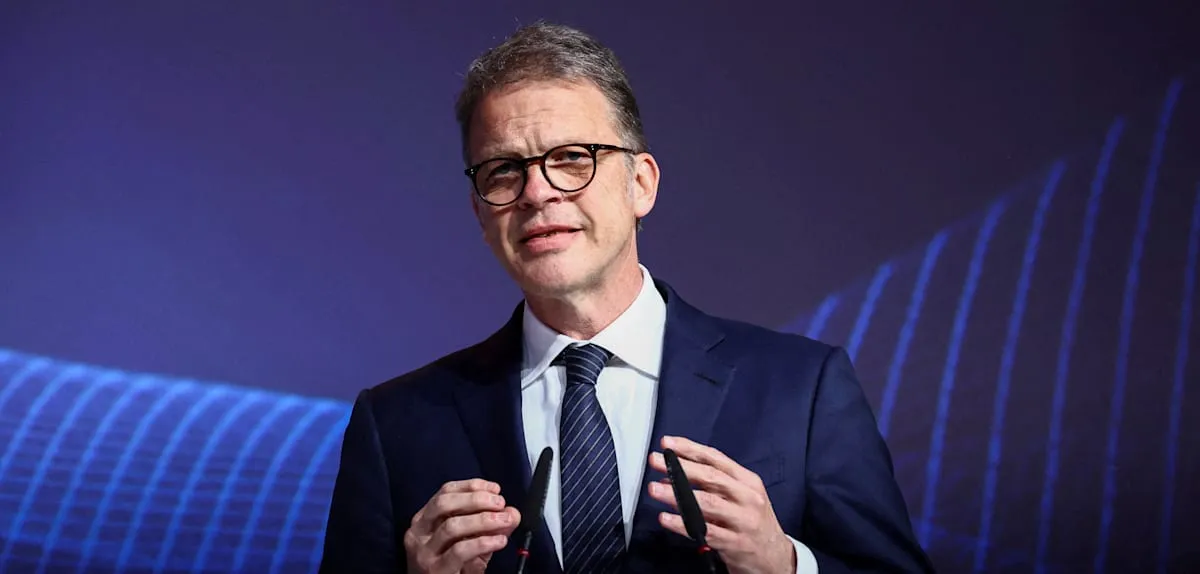
BERLIN – German Federal Chancellor Friedrich Merz issued a stark warning regarding the Russian threat, which he believes is frequently underestimated by a significant portion of his country's citizens. Merz asserted that Russia is systematically attempting to destabilize the entire political order of the European continent. This statement was made during a foreign policy discussion, highlighting the urgency of deeply understanding the Kremlin's intentions amid the global geopolitical dynamics of 2026.
Merz pointed out that many people in Germany are still not fully aware of the scale and scope of Moscow's ambitions. 'The Russian threat is underestimated by many people in my country,' Merz stated, underscoring the perception gap between the political elite and the public. He emphasized that this is not merely rhetoric but a reality demanding serious attention from all European Union and NATO member states.
According to Merz, these destabilization efforts involve not only military maneuvers but also hybrid tactics such as cyberattacks, disinformation campaigns, and energy market manipulation. This comprehensive strategy aims to create internal divisions within Western countries and weaken regional cohesion.
The current geopolitical situation in Europe stands at a crucial juncture. Following prolonged conflict in Eastern Europe, concerns about escalation and uncertainty are mounting. Chancellor Merz's warning serves as a call for heightened collective vigilance and strengthened common defense.
The intensity of this threat, Merz continued, has direct implications for Germany's national security and regional stability. A failure to adequately respond to the Kremlin's intentions could lead to undesirable consequences, eroding the foundations of democracy and peace on the blue continent.
In a similar context, reports of a surge in cybercrime in Germany also indicate that the country has become a strategic target for various malicious actors, including potential state actors. This reinforces Merz's argument for a more robust response to multidimensional threats.
The German government, under Merz's leadership, is expected to continue urging European alliances to strengthen their defense capabilities and cybersecurity. Constructive yet firm dialogue with Moscow also remains an integral part of this strategy, although it is acknowledged to be increasingly difficult to achieve.
Through accurate education and information, the German public needs to be equipped with a better understanding of the current threat landscape. Transparency regarding Russia's intentions is key to building the social and political resilience required to face future challenges.
Merz's warning is not the first issued by a European leader. However, his emphasis on 'underestimation' by the broader public indicates a gap in public awareness that needs immediate attention. This suggests that more effective communication strategies are needed to educate citizens about the existing risks.
The year 2026 marks a crucial period for the consolidation of European security. Decisions and measures taken now will shape the future of regional stability for decades to come. The unity and decisive response of Europe are primary determinants in curbing the destabilizing ambitions of external parties.
Editorial Insight: Chancellor Merz's statement highlights a complex dilemma facing Germany and Europe: how to balance the need for peace with the reality of evolving geopolitical threats. A failure to educate the public and formulate a robust collective response to Russia's intentions could jeopardize the security and economic foundations across the continent. It also points to internal challenges in unifying public perception of external threats, potentially hindering a coherent and effective policy response from Berlin.