 Demian Sahputra
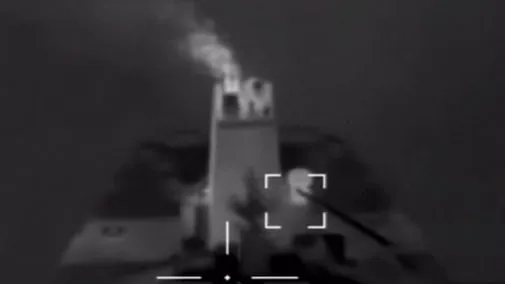
TEHRAN – Tensions in the Middle East escalated again in early 2026, following a series of massive airstrikes launched by the United States against various vital Iranian military facilities, including key infrastructure, weapons depots, and strategic surveillance sites. This action, described as a response to increased Iranian aggression, has triggered retaliation from Tehran, which also reported attacks on military targets, indicating a new phase of escalation in the protracted conflict between the two regional powers.
The Pentagon confirmed that the strikes targeted facilities deemed crucial to Iran's military capability to conduct operations in the region. Specific targets included command and control centers, logistics depots, and radar systems used to monitor ship and aircraft movements in the Persian Gulf.
US defense officials, speaking on condition of anonymity, stated that this operation was a “proportionate defensive measure” to prevent further aggression from Tehran. They emphasized that the attacks were aimed at reducing Iran's capacity to support proxy groups perceived as threatening regional stability.
Amidst the military escalation, the information narrative also became a battlefield. A spokesperson for the United States military explicitly denied reports of exploding oil tankers circulating in the media. “These claims are disinformation aimed at creating chaos and diverting attention from Iran's provocative actions,” he said, without specifying the source of these claims.
This denial is reminiscent of similar incidents in the past that often triggered accusations and counter-accusations. For more information on previous controversial tanker incidents, you can refer to the articles Hormuz Heats Up: Two Tankers Ablaze in Minefield, Iran Claims Closure and Tensions Blaze: Two Tankers on Fire in Hormuz, US-Iran Escalating?.
In Tehran, Iran's Ministry of Foreign Affairs strongly condemned the US attacks, calling them a blatant violation of Iran's sovereignty and international law. Iran claimed to have successfully repelled some of the attacks and launched retaliatory strikes against “strategic enemy targets” in the region, although details of the locations and impact of these counter-strikes have not been publicly disclosed.
Geopolitical analyst from the National University of Jakarta, Professor Ahmad Syarif, stated that this escalation is a boiling point of long-accumulated tensions. “Both sides are testing boundaries, and the risk of miscalculation is very high. One small incident can trigger a larger, uncontrollable conflict,” he explained at a panel discussion earlier this week.
The impact of these tensions is not limited to military aspects. Global oil markets showed volatile responses, with crude oil prices surging significantly due to concerns about supplies from the Strait of Hormuz, a vital shipping lane often at the epicenter of friction.
The international community urged both sides to exercise restraint and return to diplomatic channels. UN Secretary-General Antonio Guterres, through his spokesperson, called for dialogue to be prioritized to prevent further devastation in an already vulnerable region.
However, with increasingly hardened mutual threats, the prospects for de-escalation appear grim. Observers are now closely monitoring every development, worried that what began as targeted strikes could quickly evolve into a wider regional conflict, drawing various other actors into the maelstrom of war.
The US Department of Defense stated that it would continue to monitor the situation and was prepared to take further action if the interests of the United States and its allies were threatened. Meanwhile, Iran's Revolutionary Guard reaffirmed its full readiness to protect every inch of their territory and national interests.