 Edward DP Situmorang
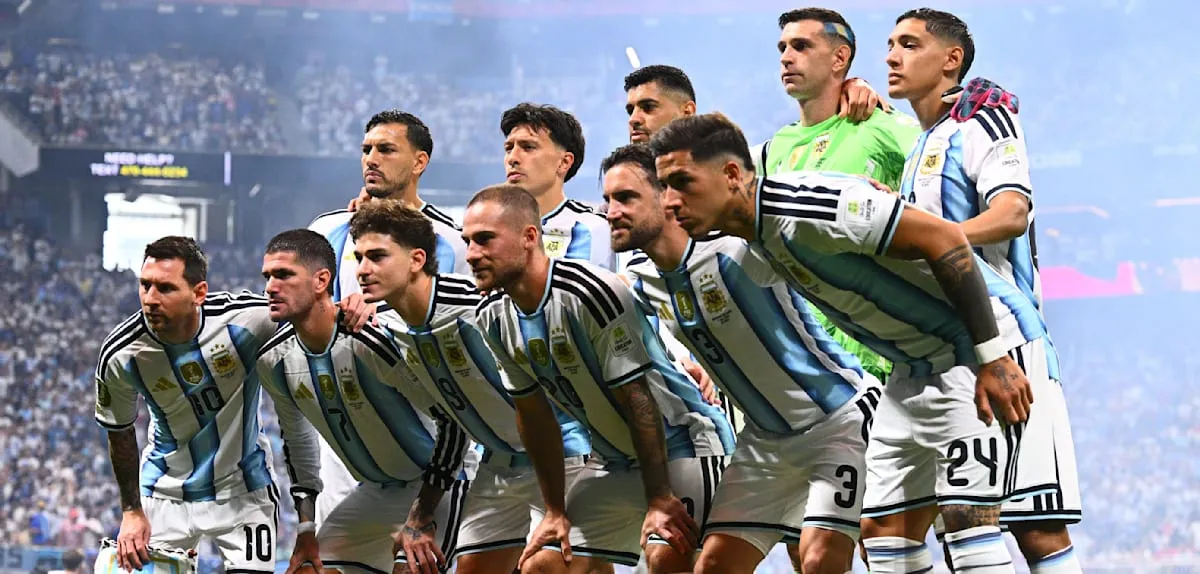
Doha — The 2026 World Cup in Qatar is overshadowed by serious allegations of referee bias and favoritism by the International Federation of Association Football (FIFA) towards the Argentine national team, led by superstar Lionel Messi. This controversy emerged after a series of referee decisions perceived as beneficial to the Albiceleste, including questionable penalty awards, inconsistent card distribution, and biased foul calls, sparking intense debate among fans, media, and global football pundits.
The main focus of scrutiny is the number of penalties awarded to Argentina, some of which are widely considered controversial. Furthermore, the leniency shown by referees in issuing yellow or red cards to Argentine players for fouls similar to those committed by opposing teams has also raised significant questions. This situation has triggered a wave of criticism from various corners of the globe, challenging the objectivity of match officials.
Social media and global football discussion forums are inundated with video analyses and comparisons of referee decisions that support the claims of favoritism. Many netizens and sports journalists highlight what appears to be a consistent pattern, reinforcing the narrative of external interference to smooth Argentina's path to the World Cup title.
Several senior football observers, with extensive experience covering major tournaments, have expressed deep concern. They argue that the pressure to create a heroic narrative around Messi, who has yet to lift the World Cup trophy, might indirectly influence decision-making at the highest level. “It's no longer about fair play; it's about the narrative they want to build,” stated a European football commentator.
Argentina's key matches, particularly in the knockout stages, have become focal points. Crucial decisions made at critical moments, such as early penalties or uncalled harsh tackles, often determined the flow of the game and the final outcome, fueling assumptions of structured intervention.
FIFA's response so far has been minimalistic, issuing only general statements about confidence in referee integrity. However, demands for further investigation and transparency in the process of appointing and evaluating referees are growing stronger, especially from federations of nations that feel disadvantaged.
This spotlight on potential referee favoritism not only damages Argentina's image but also tarnishes the integrity of the 2026 World Cup as a whole. Observers worry that this issue could overshadow the brilliant performances of other teams, such as France's dominance in securing a final ticket thanks to Kylian Mbappé's leadership, or even Jurgen Klopp's surprising statements regarding Mbappé's transfer maneuvers that also rocked the 2026 World Cup dynamics.
Lionel Messi, as the center of attention, directly or indirectly, faces immense pressure. His every move, every referee decision linked to him, is now meticulously analyzed, adding to the burden of expectation while casting doubt on the validity of every victory.
To address these allegations, several independent media outlets and fact-checking organizations have launched in-depth investigations. They are collecting statistical data, analyzing match footage, and comparing referee decisions from various perspectives to provide an objective assessment. The results of these fact-checks are expected to either quell speculation or further strengthen evidence of anomalies.
Should favoritism be proven, the implications for FIFA's credibility and the future of football will be immense. Such a scandal could shake public trust in one of the world's largest sporting events, necessitating radical reforms in governance and referee transparency.
The 2026 World Cup, which should be a celebration of sport, is now caught in a whirlwind of controversy testing the foundations of fair play. The future of the competition and the reputation of global football depend on how FIFA handles these allegations with integrity and justice.