 Demian Sahputra
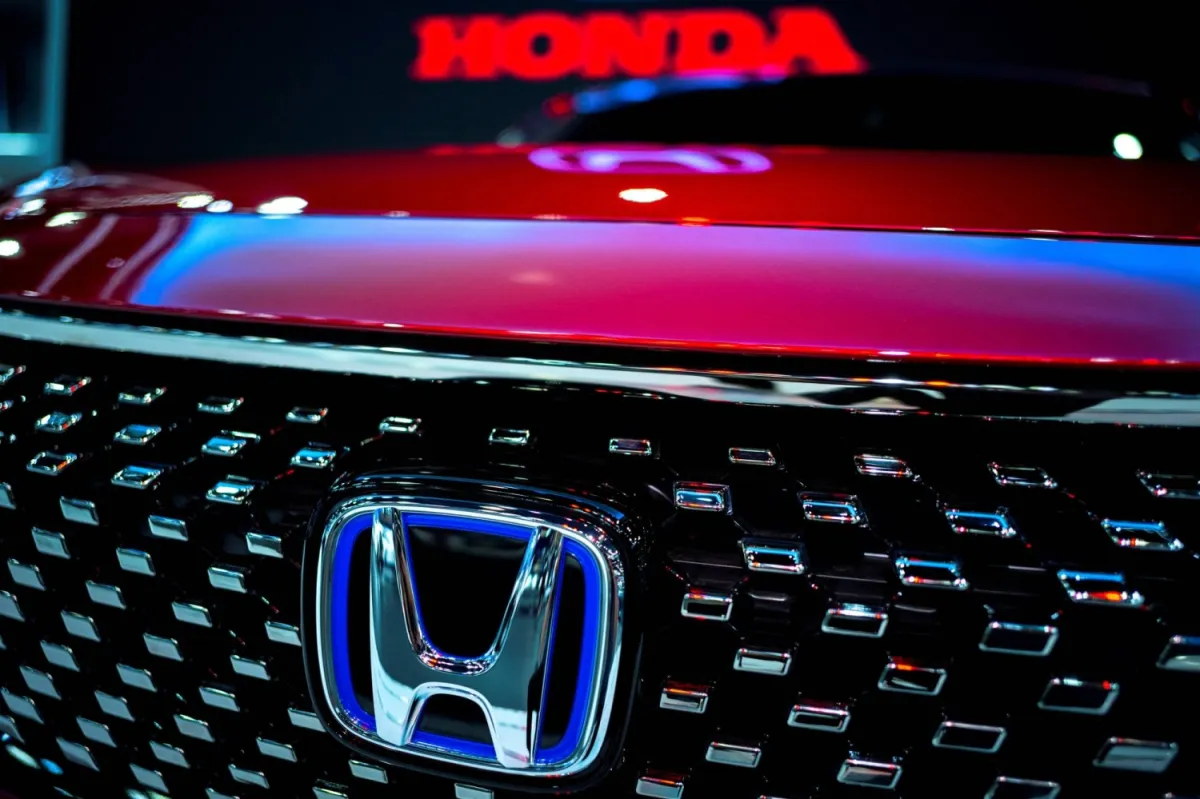
TOKYO – Two leading global automotive companies, Honda Motor Co. and Toyota Motor Corp., recently announced a massive recall of approximately 1.6 million of their vehicles in the global market. This crucial step is taken in response to the risk of potential malfunction in airbag components manufactured by Takata, an issue that has repeatedly plagued the automotive industry for many years. This recall once again highlights the importance of driving safety standards in 2026.
Despite the significant scale of this recall, both manufacturers affirm that as of this report, there have been no incidents of injuries or accidents directly linked to the vehicles included in this particular recall program. Furthermore, no cases of airbag inflator ruptures have been identified in the affected units in this latest wave of recalls. This offers some relief amidst public concern.
This decision to undertake a voluntary recall is part of ongoing efforts to ensure consumer safety and comply with increasingly stringent safety regulations. The Takata airbag issue itself has been one of the biggest scandals in automotive history, triggering the recall of millions of vehicles from various brands worldwide since it first came to light.
Honda, as one of the manufacturers most affected by previous Takata problems, is once again taking proactive measures to secure specific models that may be using at-risk airbag inflators. Specific details of models and production years will be gradually announced to vehicle owners.
Similar to Honda, Toyota is also initiating a recall for several of its models. This indicates that the Takata component issue has a broad scope, affecting various product lines from different manufacturers, even years after the initial scandal.
The recall process will involve notifying affected vehicle owners through official letters or other communication channels. Owners are urged to promptly contact their nearest authorized dealer to schedule an inspection and replacement of potentially defective airbag components, free of charge.
It is crucial for consumers not to ignore these recall notifications. Although no incidents have been recorded for this specific recall, the potential danger of airbag ruptures, which can cause metal fragments to injure occupants, remains a serious threat that must be addressed.
Automotive industry analysts consider this recall, though inconvenient, to be a correct step in maintaining consumer trust. Companies like Honda and Toyota, which heavily rely on their reputation for reliability, do not wish to take risks regarding the safety of their product users.
The long history of the Takata airbag case also serves as a valuable lesson for the entire automotive industry supply chain. It pushes for improved quality control standards and oversight of vital components from third-party suppliers.
Similar incidents in the past have shaken the global automotive market, causing billions of dollars in losses and prompting fundamental regulatory changes. This recall, amidst the trend of electric and autonomous vehicle innovations, demonstrates that fundamental issues like traditional component safety remain a top priority.
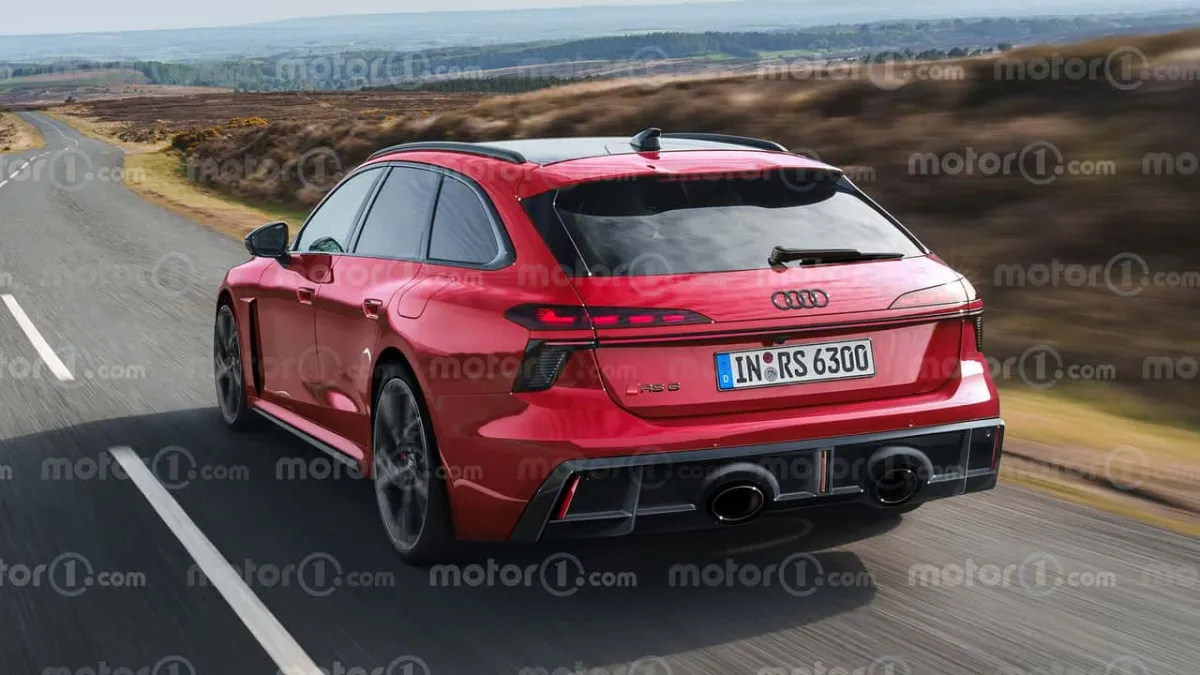
Even as industry focus often shifts to advanced technology development, such as with new Audi models set to shake 2027, basic safety issues remain essential. Consumers expect reliability and security as the primary foundation of every vehicle.
Editorial Insight: The recall of millions of vehicles by Honda and Toyota due to Takata airbag risks confirms that the shadows of past scandals still haunt the industry. Although no casualties have been reported in this latest recall, the reputation of both automotive giants is at stake. This proactive step is essential to restore and maintain consumer trust in an increasingly competitive and critical global market regarding safety standards. It also serves as a reminder that technological innovation must always be balanced with fundamental product quality and safety.