 Edward DP Situmorang
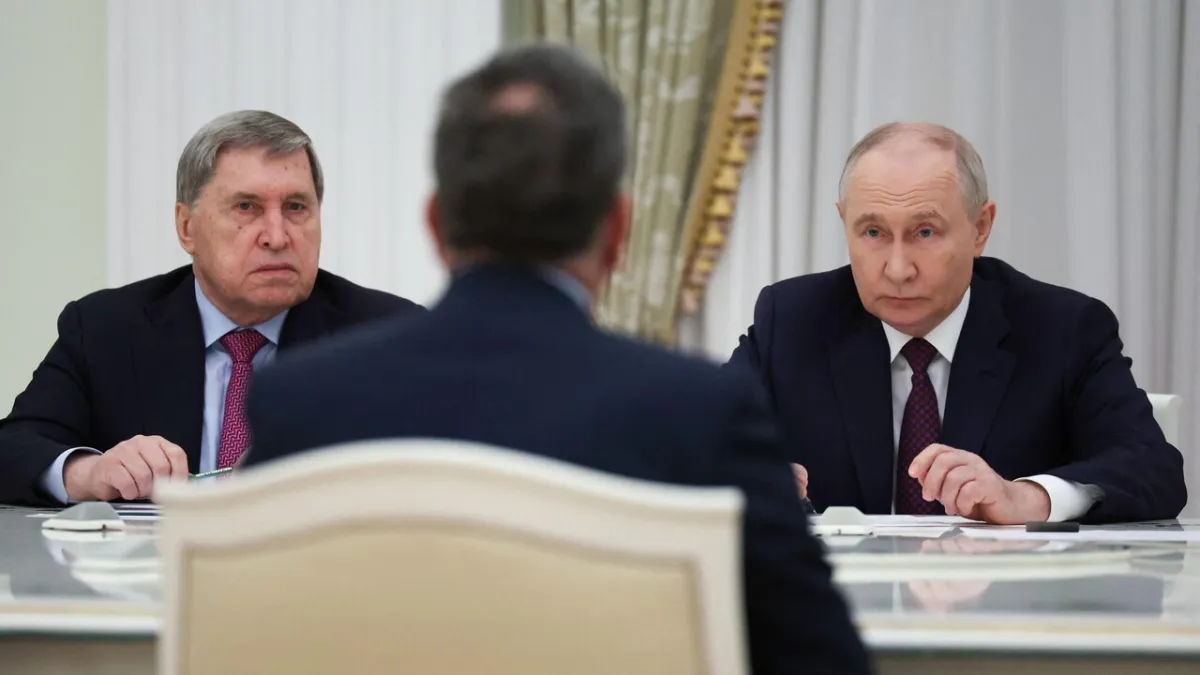
BERLIN – The German newspaper Bild has reported stunning demands from Moscow for Finland to withdraw from the North Atlantic Treaty Organization (NATO) and for Moldova, a former Soviet state, to have its territory divided. These demands emerge amid the ongoing conflict in Ukraine, underscoring Russia's increasingly aggressive geopolitical ambitions in 2026.
Details of these demands, as reported by Bild, indicate a Russian strategy to re-establish its historical sphere of influence and push back against the expansion of Western alliances. Moscow views Finland's NATO membership as a direct threat to its security, sparking serious debate on the international stage.
The demands concerning Moldova, particularly the idea of territorial division, spark serious concerns about violations of sovereignty for smaller nations in Eastern Europe. Moldova itself has long faced pressure from Russia, especially regarding the breakaway region of Transnistria, making it a sensitive geopolitical flashpoint.
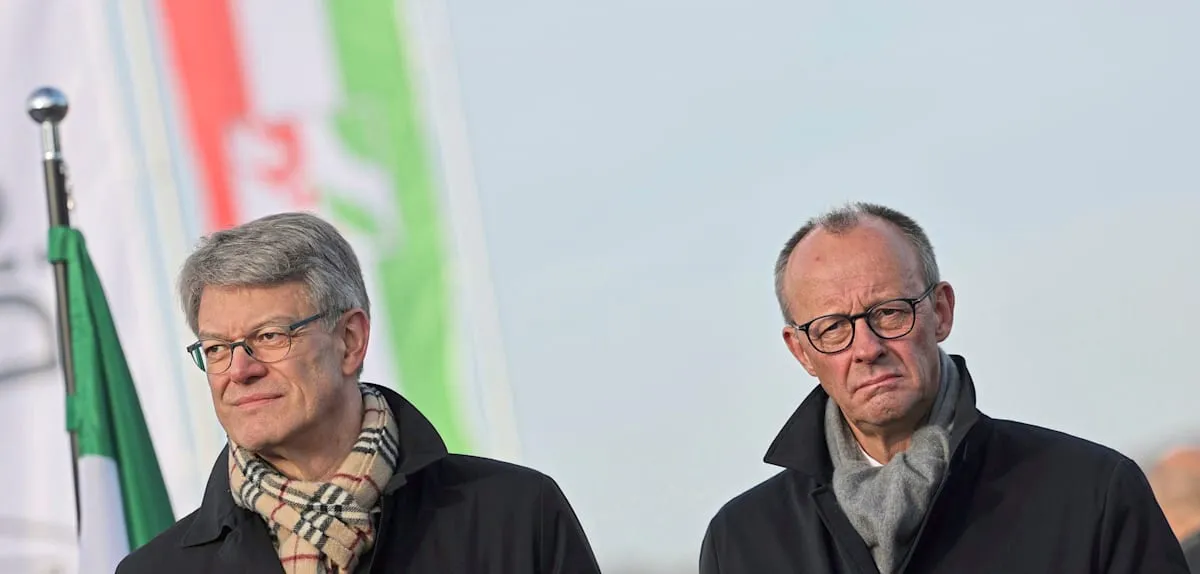
Responding to these reports, Friedrich Merz, a senior German politician, affirmed that Berlin would be actively involved in any potential negotiations. This statement signals Germany's readiness to seek diplomatic solutions despite facing provocative and high-stakes demands.
However, a firmer stance came from Estonian Prime Minister Kaja Kallas. She openly opposed what she termed the Kushner-Witkoff model, which seemingly refers to a diplomatic approach that could potentially compromise principles of sovereignty or territorial integrity for peace agreements.
We will never accept attempts to dictate to a sovereign nation about who can or cannot be its ally, Kallas stated, emphasizing the importance of self-determination for the Baltic and other Eastern European countries. This statement reflects concerns about potential precedents that might arise if Moscow's demands are met.
Finland's entry into NATO, which occurred in 2023 following Russia's invasion of Ukraine, marked a historic shift from decades of neutrality. Moscow's demands fundamentally challenge Finland's sovereign decision and the principles of collective defense alliances.
For Moldova, the demand for territorial division resurrects fears about threats to its territorial integrity. The conflict in Transnistria, a Russian-backed region, has been a source of chronic instability for years, and these demands could exacerbate the situation in the region.
International geopolitical analysts interpret Russia's demands as an attempt to test NATO's solidarity and sow discord within European unity. This move can also be seen as part of Moscow's strategy to create buffer zones along its borders and erode Western influence.
These tensions are also intertwined with a series of events that have shaken regional stability, such as the Car Bomb Rocks Moscow: Former Ukrainian PM Advisor Injured incident, which previously marred diplomatic efforts. Such occurrences further complicate the atmosphere for dialogue and deepen the chasm of distrust.
The international community now faces a serious dilemma. Accepting Moscow's demands could undermine the global security order and incentivize aggressors. Rejecting them outright could escalate the existing conflict.
United States President Donald Trump, currently serving another term, will likely play a key role in NATO's response. Washington's stance on NATO expansion and Russian pressure will be critical in shaping the alliance's policy direction for the future.
Internal debates among NATO member states on how to respond to these demands are expected to be intense. Some may favor a softer diplomatic approach, while others will call for a firmer and uncompromising stance.
The future of Eastern European security and the sovereignty of nations bordering Russia now hangs in the balance. These demands are not just about Finland and Moldova, but about fundamental principles of international law and the right to self-determination.
Editorial Insight: Moscow's aggressive demands to Finland and Moldova are a manifestation of Russia's long-term strategy to reverse the outcome of post-Cold War NATO expansion. A coordinated and firm response from NATO, supported by the diplomatic power of the United States and Germany, will be crucial to prevent further escalation. Ignoring these demands could strengthen Moscow's position, but excessive compromise could jeopardize the sovereignty of member states. The world awaits how this crisis will be handled, hoping diplomacy can quell ambitions that could trigger a wider conflict.