 Dodi Irawan
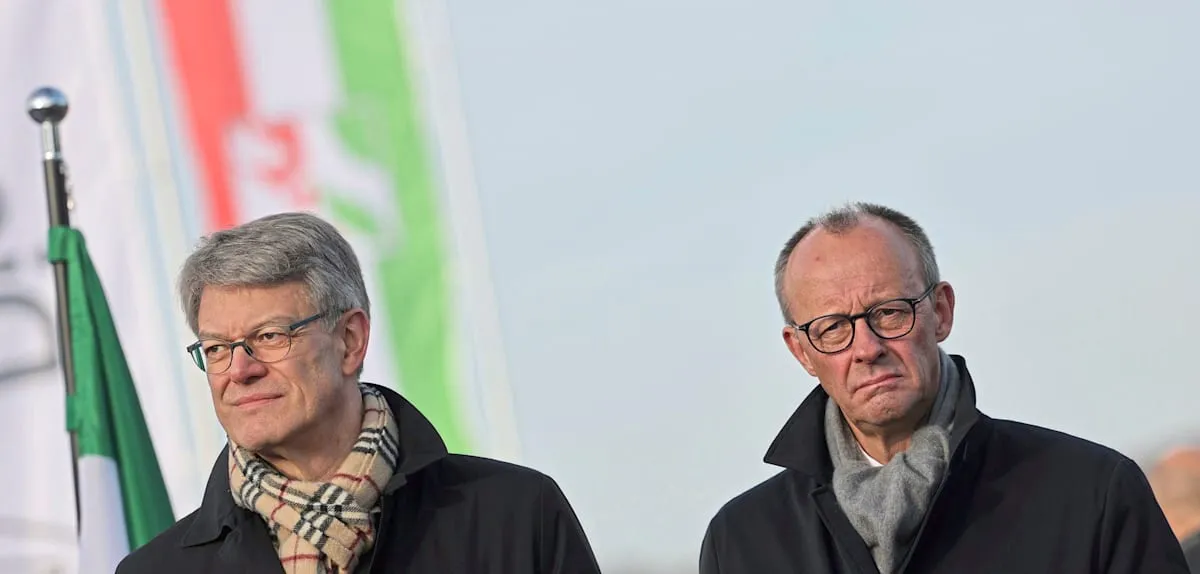
BERLIN — The German political scene is currently in turmoil after Friedrich Merz, a central figure in the Christian Democratic Union (CDU) party, surprisingly dismissed a minister and initiated a series of significant reshuffles within the government structure in 2026. This drastic decision includes plans to appoint Nina Warken as Chief of Staff of the Chancellery and elevate CDU Secretary General Carsten Linnemann to Health Minister, marking a new phase in Berlin's power dynamics.
Merz's move to dismiss a cabinet member reflects a decisive effort to align the party's internal vision and mission with government performance. Although the name of the dismissed minister has not yet been officially announced to the public, this decision has fueled widespread speculation regarding the reasons behind the sudden reshuffle.
The appointment of Nina Warken as Chief of Staff of the Chancellery is considered strategic. Warken, known for her strong track record in administration and political coordination, is expected to bring efficiency and stability to the operations of the office, which is the heart of Germany's governmental bureaucracy. Her role will be crucial in managing the Chancellor's daily agenda and ensuring smooth communication between ministries.
Meanwhile, Carsten Linnemann's prospective appointment as Health Minister indicates new priorities in the national health agenda. As CDU Secretary General, Linnemann possesses a deep understanding of party policies and parliamentary dynamics. His experience is expected to address the complex challenges of the German healthcare system, especially post-pandemic and issues of an aging population.
This personnel reshuffle is not merely a change of positions but a strong indication of Merz's efforts to strengthen his standing in the German political landscape. By placing loyalists and highly capable figures in strategic positions, Merz aims to consolidate the CDU's power ahead of potential next general elections or to ensure his party's agenda runs effectively within the current governing coalition.
Internal party sources indicate that this reshuffle is not yet final. Several positions are still awaiting final decisions, suggesting that the personnel changes within the CDU and the German government will continue. This opens up opportunities for other figures to rise or shift positions, creating an atmosphere of both uncertainty and anticipation among politicians.
Political tensions in Germany are certainly not new. Previously, the political arena was also marked by heated arguments between the CDU and AfD that shook German television, demonstrating the internal and external dynamics that continuously shape public debate. Merz's decision could be an attempt to mitigate or respond to these dynamics with a more cohesive team formation.
Public reaction to this reshuffle varies. Some view it as a bold and necessary step for revitalization, while others worry about the potential instability caused by such sudden changes. The main challenge for Merz and his new team will be to prove that this decision will bring concrete positive impacts for society and the government.
Germany has a long history of cabinet reshuffles, often in response to changing political priorities, economic pressures, or election outcomes. Each time a change occurs, there is always new hope and speculation about the policy direction that will be taken. Internal party consolidation and coalition alliances become the main focus in any such personnel shift.
In the coming weeks, further details regarding this cabinet reshuffle are expected to be unveiled. Political observers will closely monitor how this new formation will affect political stability, policy direction, and the CDU's position in Germany's increasingly competitive political landscape, especially with new parties like the one leading surveys in Berlin.
Friedrich Merz's move not only signals substantial changes in leadership but also sets the stage for more intense political battles in the future. The success or failure of this reshuffle will largely depend on the new officials' ability to carry out their duties and Merz's capacity to unite various factions within his party.