 Gabriella
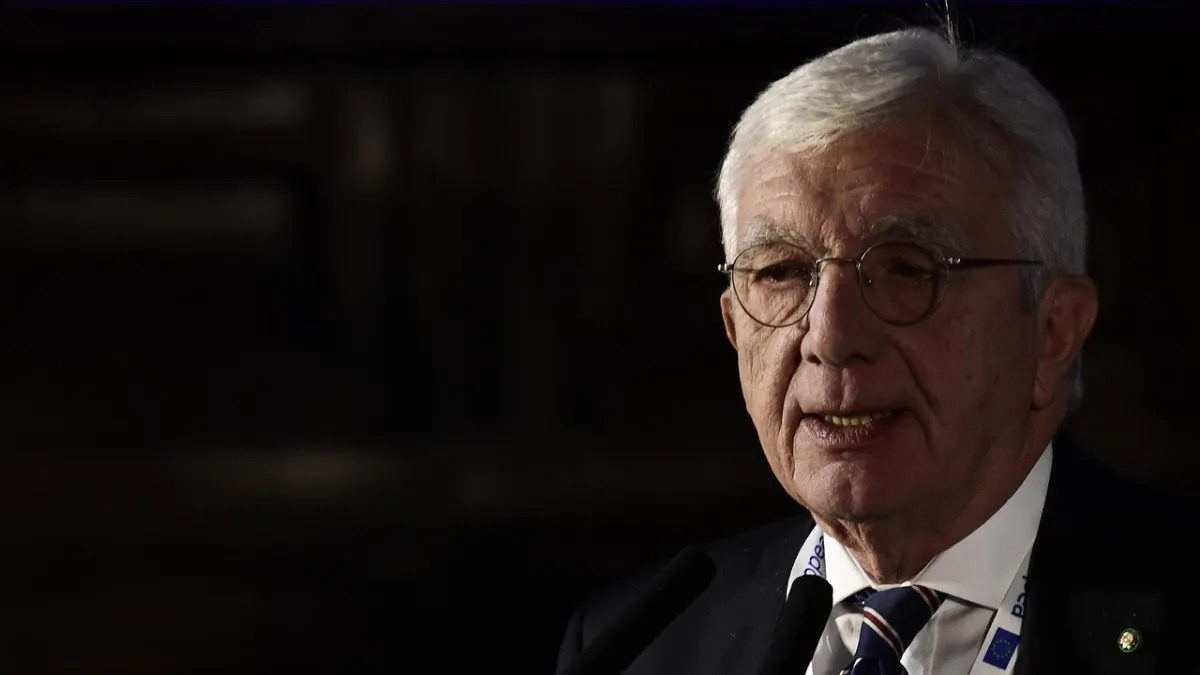
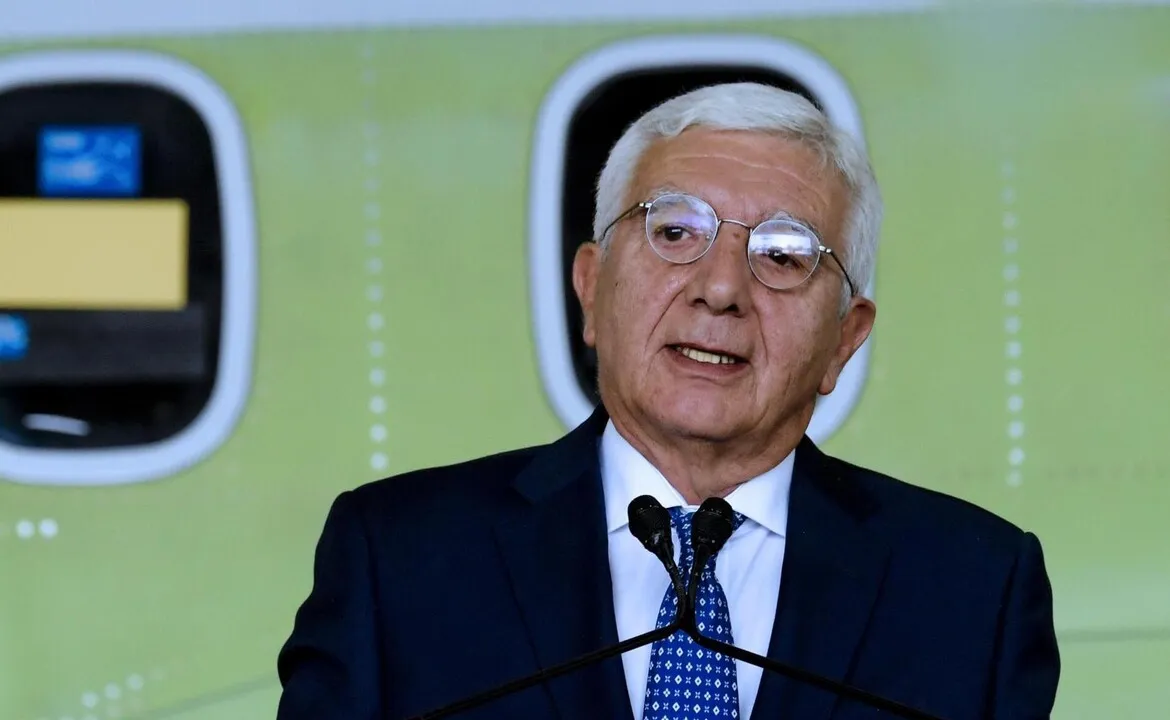
ROME – A startling accusation recently rocked Italy's judicial landscape, as Salvatore Borsellino, the brother of the late anti-mafia judge Paolo Borsellino, accused prosecutors of inciting the suicide of former Italian Police Chief, Gianni De Gennaro. The tragic incident that took De Gennaro's life reportedly occurred at his country home in Tuscany, with an alleged self-inflicted gunshot wound.
The death of the former police leader, widely known for his track record in law enforcement in Italy, is now shrouded in mystery and controversy. Salvatore Borsellino's claims suggest external pressure or involvement that led De Gennaro to take such an extreme measure, adding a new dimension to the investigation into his death.
Gianni De Gennaro, who once served as Italy's National Police Chief, was a central figure in combating organized crime and police reform. His decades of service made him one of the most respected yet at times controversial figures in the country's law enforcement apparatus. The news of his death itself had previously shocked the Italian public, as reported in the article Former Italian Police Chief De Gennaro Dies by Suicide: Nation Mourns.
However, the accusation leveled by Salvatore Borsellino now shifts the focus from a mere personal incident to an issue of the justice system's integrity. Salvatore explicitly stated, I pm responsabili di istigazione a suicidio, or Prosecutors are responsible for inciting suicide. This is not the first time the Borsellino family has voiced sharp criticism against state institutions, especially concerning investigations into mafia cases.
The Borsellino family has a long history of fighting against the mafia and corruption in Italy. Paolo Borsellino, along with his colleague Giovanni Falcone, were prominent anti-mafia judges who died in bomb attacks in 1992. These tragedies left deep wounds on the Italian nation and compelled the Borsellino family to continue demanding truth and complete justice.
Therefore, every statement from Salvatore Borsellino carries significant moral and political weight. His accusations cannot be taken lightly, given his family's relentless pursuit of truth behind potential conspiracies involving authorities.
The investigation into De Gennaro's death is now expected to highlight not only the tragic details of his suicide but also to delve into the truth behind the claims of suicide incitement. Public pressure and demands from the families of organized crime victims call for full transparency from the authorities.
If these allegations prove true, the implications would be far-reaching for public trust in Italy's justice system and the image of the police institution. It could also spark serious debate about the psychological conditions and pressures faced by high-ranking officials in the course of their duties.
Judicial and police authorities in Italy face the arduous task of conducting an impartial and comprehensive investigation. They must be able to answer the questions arising from Salvatore Borsellino's claims and restore public confidence in state institutions.
This incident also serves as a bitter reminder that the fight against organized crime is often far more complex than it appears on the surface, involving intricate networks of intrigue and pressure that are difficult to unravel. De Gennaro's death, with this new accusation, reopens old, potentially unresolved chapters in Italy's dark history.
Editorial Insight: The accusation of suicide incitement against the former Italian Police Chief by the Borsellino family is not merely a sensational news item; it is a loud alarm regarding the fragility of institutional integrity. This case has the potential to trigger a wave of reforms or, conversely, deepen the public's crisis of trust in a justice system that has long struggled with the shadows of the mafia and corruption. Salvatore Borsellino's courage in voicing this allegation demonstrates that the legacy of the anti-mafia struggle lives on, demanding accountability from every level of power.