 Robert Andrison
PORT-AU-PRINCE – President Nayib Bukele of El Salvador once again captured global attention after launching a massive security operation in Haiti in 2026. With an uncompromising approach, Bukele is determined to rid the Caribbean nation of the grip of armed gangs that have long terrorized its populace. This move, though controversial in the eyes of some international circles, has been met with euphoria and overwhelming gratitude from millions of Haitian citizens yearning for peace.
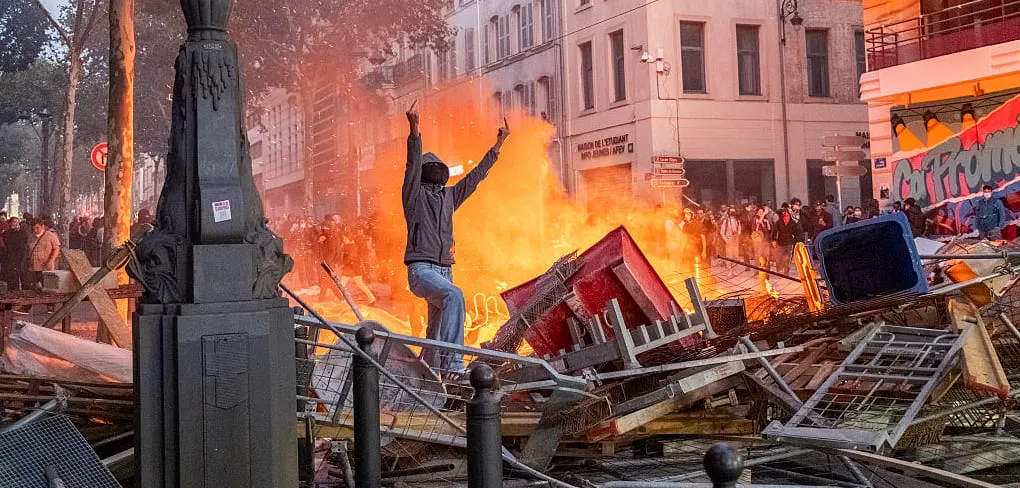
This operation is not merely a conventional military deployment. It is a direct response to the acute humanitarian and security crisis that has crippled Haiti for years. Criminal gangs have taken control of large parts of the capital, Port-au-Prince, causing endless violence, kidnappings, and chaos that disrupt the very fabric of the state.
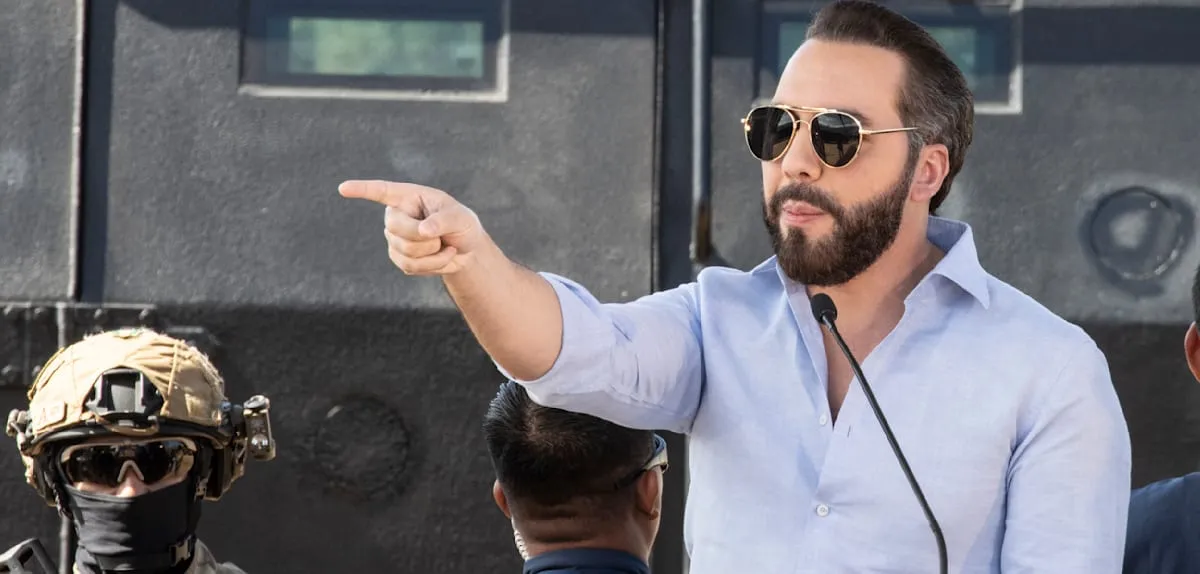
Bukele's decision to intervene militarily in Haiti came after calls for assistance from Haiti's transitional government, which struggled to control the situation. Adopting a model he successfully implemented in El Salvador, Bukele deployed thousands of security personnel with full logistical support and a meticulously planned strategy.
The methods employed are known for their ruthless firmness. His led security forces do not hesitate to crack down on any gang elements that resist. Areas previously known as criminal strongholds are now systematically patrolled and secured, gradually restoring a sense of safety for residents.
The immediate impact of this operation has been significant. Streets that were once deserted and dangerous are now starting to be filled again by citizens daring to resume their activities. Markets are bustling once more, and children are seen playing in open spaces, a rare sight before this intervention.
The gratitude expressed by the Haitian people cannot be underestimated. Many local media reports and eyewitness accounts describe how residents greeted security forces with cheers, flags, and even offerings of food, indicating an extraordinary level of satisfaction with the efforts to restore order.
However, Bukele's success has also drawn sharp criticism from international organizations such as the United Nations (UN). The UN, which has long attempted to stabilize Haiti with limited success, views Bukele's methods as a violation of human rights and potentially a catalyst for new escalation of violence.
This criticism, in fact, became a boomerang. The people of Haiti, who have long suffered under the inability of international responses, instead see Bukele's actions as a pragmatic solution. 'We are tired of empty promises. We need security, and President Bukele is giving it to us,' said a resident of Port-au-Prince who wished to remain anonymous.
This situation highlights a profound dilemma in approaches to law enforcement and sovereignty. Bukele argues that strong action is the only way to restore state control and protect the lives of its citizens, especially when local institutions have completely collapsed.
The comprehensive cleansing of gangs in Haiti, if successfully maintained, has the potential to fundamentally alter the country's political and social landscape. It could set a precedent for other nations facing similar crises, albeit with high risks of international criticism.
Editorial Insight: President Bukele's operation in Haiti in 2026 marks a paradigm shift in handling global security crises. While his decisive methods draw human rights controversies and UN criticism, the overwhelmingly positive response from a stability-starved Haitian populace is an undeniable fact. The success of this operation will test whether tangible results in restoring order can justify unconventional approaches, and it highlights the failures of previous diplomatic efforts. It also underscores the challenge for international bodies to balance human rights principles with the urgent need for security in anarchic regions.