 Demian Sahputra
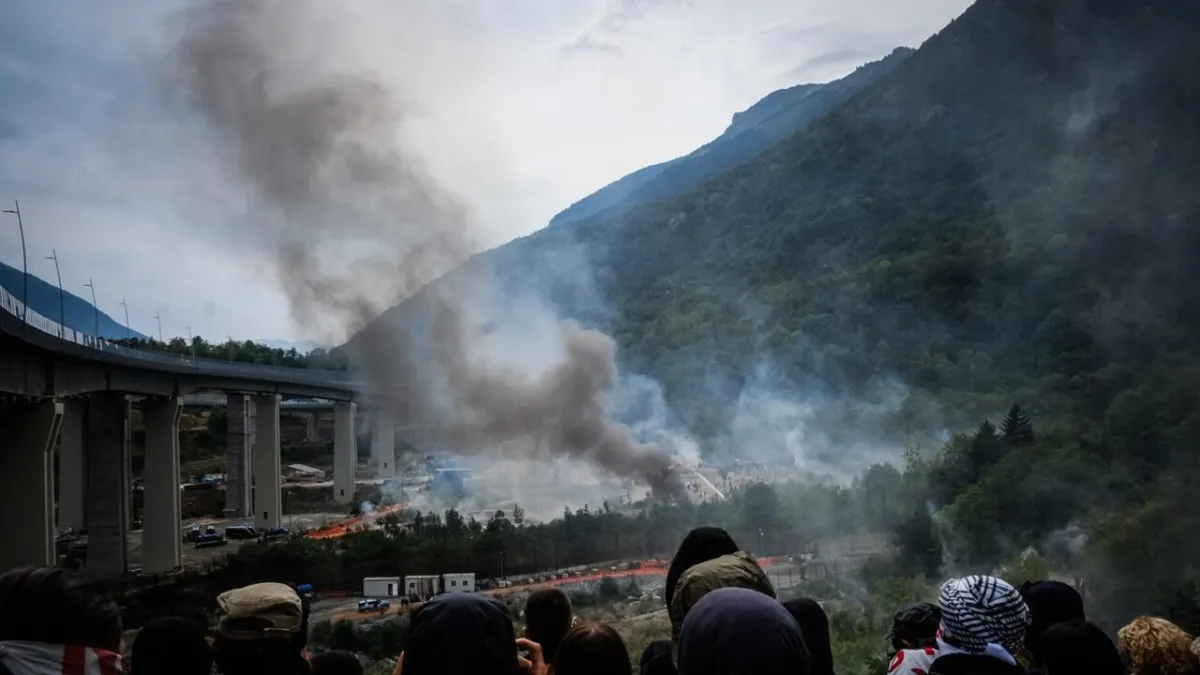
Authorities in Italy have successfully apprehended four foreign individuals strongly suspected of being part of the No Tav antagonist network. These arrests follow a series of violent attacks and significant damage inflicted upon the construction sites of the Turin-Lyon high-speed rail (TAV) project in recent times. The positions and roles of the four suspects are now the primary focus of an in-depth investigation by the authorities.
The four individuals, whose identities and nationalities have not been publicly detailed, were detained in several locations after intensive investigations. Police and intelligence agencies have been monitoring the movements of extremist groups, who consistently oppose this crucial infrastructure development, for months. Their apprehension is expected to uncover a wider chain of sabotage actions.
The No Tav movement, an acronym for "No Treno Alta Velocit" (No High-Speed Train), has been a significant challenge for the Italian government for over two decades. They oppose the railway project connecting Turin, Italy, with Lyon, France, citing arguments about destructive environmental impacts, exorbitant costs, and potential damage to the Susa Valley.
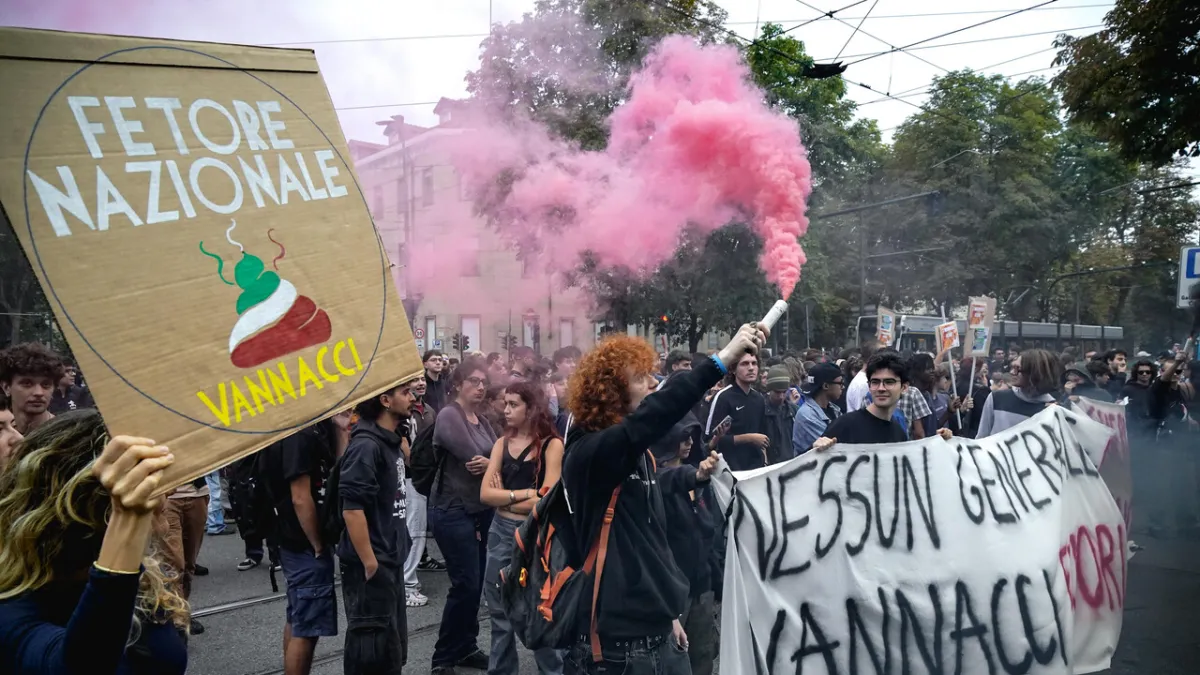
The acts of resistance by No Tav antagonist groups often extend beyond peaceful demonstrations, escalating into vandalism, sabotage, and even physical confrontations with security forces. Financial losses due to these attacks are estimated to be in the millions of euros, hindering construction progress and burdening the national budget. Previously, Italys Minister of Interior, Matteo Piantedosi, strongly condemned similar attacks that caused substantial damage. One Million Euros Lost: No Tav Guerrillas Attack the State, Piantedosi Furious, highlighted a prior incident.
Law enforcement authorities have repeatedly affirmed their commitment to taking firm action against any form of violence and destruction that threatens strategic state projects. These arrests serve as proof that efforts to track down the perpetrators are on the right path, demonstrating the government's seriousness in maintaining the security and integrity of national infrastructure.
Investigators are now delving deeper to understand whether these four foreign individuals operated independently or as part of a larger organized network, possibly with support from transnational groups. The primary focus of the investigation is to uncover funding sources, coordination strategies, and potential recruitment of new members to carry out subsequent actions.
On the other hand, the Turin-Lyon high-speed rail (TAV) project is an integral part of the Mediterranean Corridor of the Trans-European Transport Network (TEN-T), designed to enhance connectivity between the Iberian Peninsula and Eastern Europe. This project is deemed vital for economic growth, reducing carbon emissions by shifting freight traffic from roads to railways, and accelerating public mobility.
However, the arguments from No Tav opponents cannot be ignored. They highlight that the project cuts through forests, pollutes water sources, and fails to consider the aspirations of local communities who will be directly affected. This controversy has divided public opinion in Italy, creating a dilemma between development and environmental preservation.
The Italian government, through the Ministry of Interior and the Ministry of Infrastructure, has consistently stated that open dialogue is always an option, but violent actions will not be tolerated. They emphasize that public infrastructure is a shared asset that must be protected for the nation's progress and the welfare of its people.
The arrests of these four foreign antagonists are expected to send a strong message to similar groups that the law will be enforced. This step has the potential to de-escalate the intensity of attacks, at least in the short term, and allow for smoother project progress. However, the history of the No Tav movement shows that they are persistent and adaptable.
Authorities urge all segments of society not to be provoked by agendas that lead to anarchic actions and harm public interest. The security and smooth progress of strategic projects remain the top priority for the Italian government in 2026.
The continuation of the investigation into this case will be a crucial determinant of how the Italian government handles threats from extremist groups attempting to disrupt vital projects. The outcome is expected not only to bring justice but also to strengthen the national security framework for infrastructure in the future.