 Robert Andrison
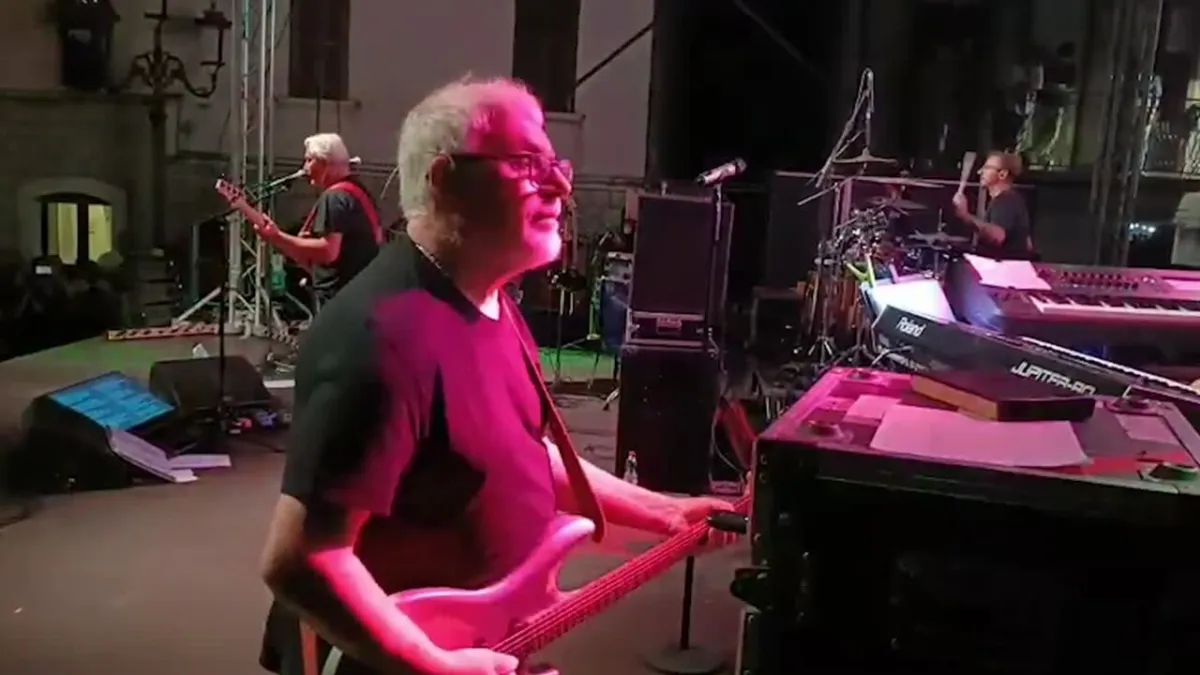
PETRABBONDANTE – The Italian music scene is in mourning in 2026 following the passing of Francesco Guccini, one of the nation's most influential lyricists and melodists. In a profound tribute, the legendary band Nomadi performed Guccini's iconic song, "Dio è morto", during their concert in Petrabbondante, a commune in the province of Isernia, on the very day the news of his death broke. This event captured significant attention, marking an emotional farewell to a songwriter whose works are timeless.
The Nomadi group, active since the early 1960s, shares a long and deep connection with Guccini. They were among the first bands to record Guccini's songs, including "Dio è morto" in 1967. This song, with its philosophical and challenging lyrics, became a symbol of resistance and critical thinking in Italy, particularly among the younger generation.
The news of Francesco Guccini's death shook the public, not only in Italy but also among music fans worldwide. This maestro from Modena was known as "the poet among singers" due to the depth of his lyrics, which often addressed social, political, and existential themes. His departure leaves behind an invaluable artistic legacy, as echoed by other musicians. Jovanotti Reveals Deep Sorrow: Guccini, 'Giant' of Italian Music, Eternal in Memory
Nomadi's concert in Petrabbondante, a relatively small location in the Molise region, unexpectedly transformed into an unplanned tribute ceremony. The members of Nomadi, led by vocalist Beppe Carletti, stated that the decision to perform "Dio è morto" was a spontaneous reaction to the news they had just received.
A poignant atmosphere enveloped the audience as the melody and lyrics of "Dio è morto" resonated under the night sky of Petrabbondante. Many were unable to hold back tears, feeling a strong emotional connection to Guccini's work and this moment of farewell. The song not only served as a reminder of Guccini's greatness but also reflected the spirit of an era he once immortalized.
"Dio è morto" (God Is Dead), a song inspired by the philosophy of Friedrich Nietzsche, is not merely an ordinary musical work. Its provocative and profound lyrics imply a critique of the establishment and a search for meaning amidst a crisis of values. Guccini skillfully translated these complex ideas into easily absorbed verses, making it one of the most influential songs in the Italian pop music scene.
"We couldn't imagine this night without paying our respects to him," one of Nomadi's members told local media after the concert. "Francesco was not just a colleague; he was a teacher, an inspiration. Performing his song was the best way for us to say goodbye." This statement affirms Nomadi's deep respect and closeness to Guccini.
Francesco Guccini's legacy will continue to live on through his multi-generational works. From melancholic ballads to sharp protest songs, he always managed to touch the depths of his listeners' hearts with honesty and courage. His influence extended beyond music, encompassing literature and thought.
The loss of Guccini is a great loss for Italian culture. However, amidst the grief, moments like this Nomadi concert demonstrate how art and music have the power to unite people, celebrate life, and remember those who have passed. Petrabbondante that night bore silent witness to a sincere tribute from a band to a legend.
Through their performance of "Dio è morto", Nomadi not only commemorated an individual but also revitalized Guccini's perpetually relevant spirit. In 2026, as the world faces various modern challenges, the universal messages in Guccini's work about courageous thought, the search for identity, and humanity continue to resonate powerfully.
Editorial Insight: This moment of tribute by Nomadi to Francesco Guccini is more than just a music news story; it reflects the crucial role artists play in shaping a nation's cultural identity. It underscores that the timeless works of a maestro will remain relevant and revered, transcending time and circumstances. Nomadi's spontaneous response illustrates the deep connection between artists and how music serves as the most honest medium to express collective emotion. It is likely that more tribute events and re-releases of Guccini's works will follow, solidifying his irreplaceable position as a cultural icon.