 Robert Andrison
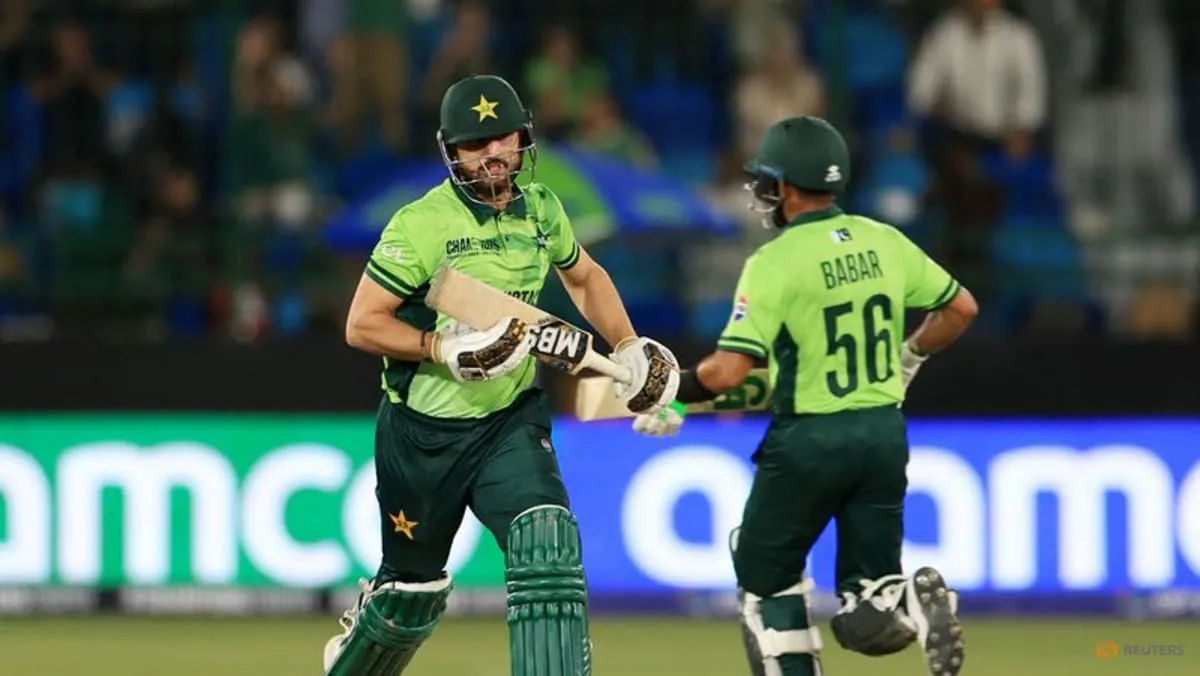
ISLAMABAD – The Pakistan Cricket Board (PCB) has announced a surprising and significant overhaul of its central player contract structure for the 2026 season. This revolutionary policy aims to acknowledge format specialization and athlete performance, placing prominent figures like Babar Azam and Agha Salman at the top of the highest remuneration earners list. This decision has the potential to significantly alter the economic landscape of domestic cricket in Pakistan.
This fundamental change, formalized after a series of intensive discussions, marks a transition from a general contract system to a more fragmented model based on playing formats: Test, One Day International (ODI), and Twenty20 (T20). This strategic move is expected to provide more equitable and relevant incentives for players who excel in specific disciplines.
Babar Azam, the national team captain across various formats, and Agha Salman, who has demonstrated consistent performance in multiple matches, are positioned as central figures in this new contract scheme. They are reportedly in the highest contract categories, reflecting their exceptional contributions to the national team.
The new system also introduces more specific contract categories, allowing the PCB to reward players based on their roles and contributions within each format. This contrasts with the previous approach, which tended to generalize remuneration regardless of a player's specialization.
For instance, a Test player who may not frequently appear in T20 or ODI formats can now receive compensation commensurate with the value and experience they bring to Test matches. Similarly, a T20 specialist will be rewarded based on the high demand and unique skills relevant to that faster-paced format.
PCB management stated that this restructuring is part of a long-term effort to enhance professionalism and financial stability for players. They hope this policy will motivate athletes to continuously develop skills and achieve peak performance in their chosen formats.
We recognize the importance of acknowledging specific expertise within each cricket format, said a PCB spokesperson during a press conference held in Lahore. This new contract system is a manifestation of our commitment to ensuring our players receive due appreciation for their dedication and contributions.
In addition to increased remuneration, the new contracts also include improved health facilities, career development programs, and post-career financial security for senior players. This demonstrates the PCB's holistic approach to nurturing its most valuable assets.
The global cricket community is closely observing Pakistan's bold move. Other nations, such as Australia, which has shown full support for their cricket captain, may scrutinize the positive or negative impacts of this format-based contract model for future implementation.
The list of players included in central contract categories and specific remuneration details are expected to be released in the coming weeks, sparking speculation among fans and cricket analysts.
This change also comes at a crucial time for Pakistani cricket, with numerous international tournaments scheduled for 2026. Player stability and motivation are key to achieving success on the global stage.
Babar Azam, often in the spotlight for his leadership and abilities, now receives stronger financial recognition for his status as one of the world's best players. Agha Salman's inclusion in the top category also underscores the importance of consistency and adaptability in modern cricket.
The PCB is optimistic that this policy will not only improve the national team's performance but also encourage the emergence of new talents drawn to professional cricket careers, knowing their dedication will be tangibly rewarded.
Editorial Insight: The PCB's central contract overhaul represents a progressive step with the potential to revolutionize how cricket talent in Pakistan is valued. The focus on format specialization demonstrates a deep understanding of modern cricket's demands. However, the challenge lies in fair and transparent implementation, as well as the ability to adapt to continuously changing player market dynamics. If successful, this model could become a new benchmark for cricket boards worldwide, ensuring the sport's sustainability and competitiveness.