 Chandra Wijayanto

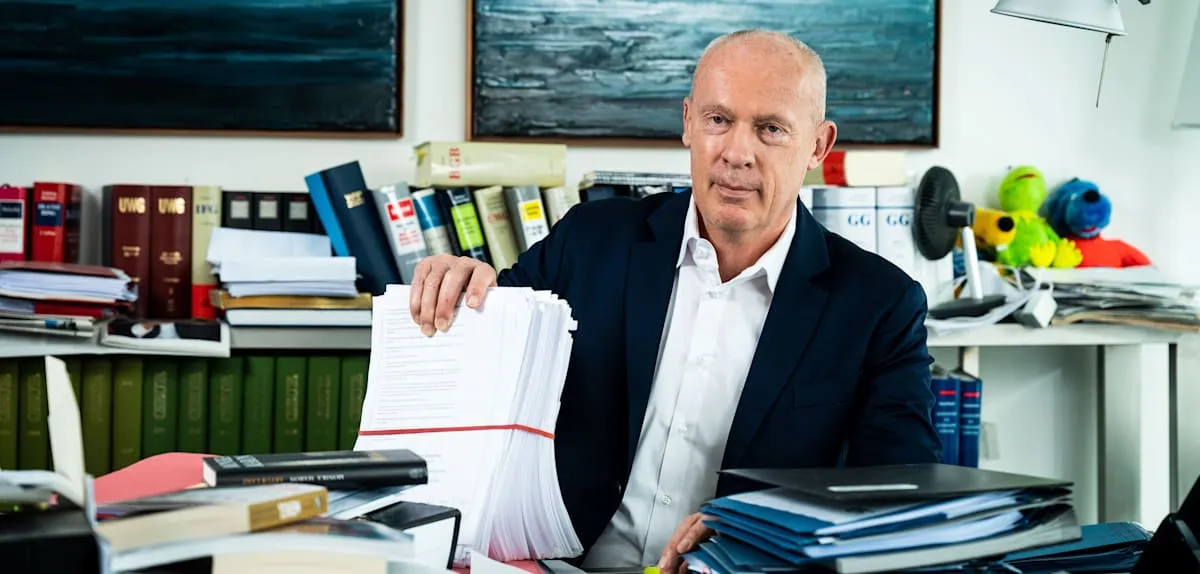
PARIS – Prominent sociologist and educational science researcher, Xavier Pons, has stirred public debate with his sharp analysis in the newspaper Le Monde. He highlights the findings of the 2026 PISA Study, which indicate a fundamental crisis in the global education system, where nations are losing direction in establishing primary priorities for their school reforms.
In his in-depth essay, Pons explicitly states that data from the Programme for International Student Assessment (PISA) now serves as a painful reflective mirror for many education systems. This mirror reflects an inability to formulate coherent and sustainable goals for the future of the younger generation.
We are no longer capable of establishing what we want as a priority for our schools, Pons writes, underscoring a collective failure in addressing modern educational challenges. This statement is not just a critique but a call for deep introspection regarding the direction of educational policy.
The PISA study, conducted by the Organisation for Economic Co-operation and Development (OECD), regularly evaluates the abilities of 15-year-old students in various countries in reading, mathematics, and science. The PISA 2026 results once again show a worrying trend, with declining performance in several developed nations and stagnation in many others.
Pons argues that public debate surrounding PISA results tends to get stuck in a reactive cycle. Each data release triggers a series of panicked responses and reform promises that are often uncoordinated, lacking a deep understanding of the root causes or a long-term vision.
He criticizes the tendency to immediately seek partial solutions or imitate models from high-performing countries without considering different socio-cultural contexts. This approach, according to Pons, exacerbates the fragmentation of educational policies.
The main problem, he suggests, is the loss of political and social consensus on what the education system should truly achieve. Do we prioritize equality, innovation, job market skills, or character development? These fundamental questions are often overlooked in serious discussions.
Education has become a battlefield of ideologies, no longer an area for national consensus building, Pons asserts. Consequently, emerging reforms are patchwork, often cancelled or altered with changes in political leadership, hindering meaningful progress.
The sociologist offers a solution by inviting policymakers to design new tools to improve the factory of school reforms. This implies the need for a more structured, evidence-based, and participatory approach.
These tools include broader dialogue among all stakeholders—parents, teachers, students, experts, and politicians—to jointly formulate an inclusive and sustainable educational vision. The goal is to create a mutually agreed-upon roadmap, transcending short-term political interests.
Furthermore, Pons also suggests strengthening the capacity for independent research and evaluation to objectively identify the successes and failures of reforms. This would allow for more responsive and effective policy adaptation.
Cases such as the debate over curriculum in Indonesia or the overhaul of examination systems in several European countries illustrate the complexity of setting priorities. Without a clear vision, every change risks becoming an expensive experiment with suboptimal results.
Global educational challenges in 2026, including adaptation to artificial intelligence technology and climate change, demand coordinated and visionary responses. Failure to set priorities will result in future generations being left behind.
Pons hopes his analysis will spark more constructive and transformative discussions, encouraging nations to move beyond sporadic reactions to PISA data towards building a solid foundation for education.
This is not just about improving PISA scores, but about redefining the very purpose of education in an ever-changing society.
Editorial Insight: Xavier Pons' statement highlights a critical juncture in global education policy: the absence of a sustainable strategic vision. Reliance on PISA results as the sole benchmark, without being followed by a deep consensus on educational values and goals, will only lead to superficial reforms. Indonesia, with its unique educational dynamics, needs to learn from this critique to formulate policies that are not only responsive but also proactive and deeply rooted in its culture, for the future of a competitive nation.