 Edward DP Situmorang
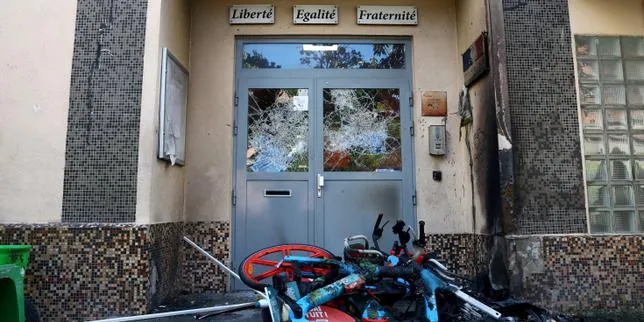
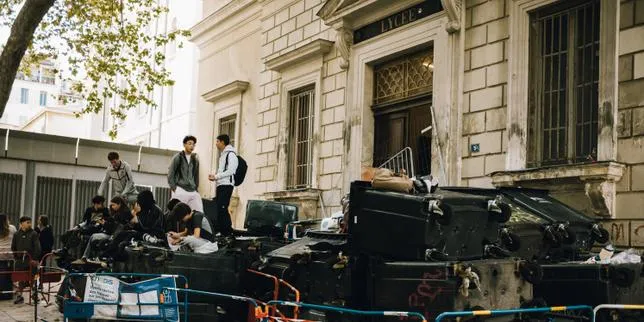
PARIS – Unprecedented waves of violence are gripping several high schools across France in 2026, triggering a serious crisis within the national education system. Student movements, initially taking the form of blockades, have increasingly escalated into acts of vandalism and intimidation. This situation has left school principals exhausted and on high alert, with some even suffering physical injuries and severe threats.
This escalation of tension highlights the fragility of learning environments amidst student mobilization demanding various changes. The phenomenon of violence is no longer an isolated incident but a disturbing pattern observed in multiple educational institutions nationwide.
School leaders, known as proviseurs, are on the front lines, confronting this surge of violence. They report blockades accompanied by vandalism, seizure of school facilities, and physical confrontations. Many confess to struggling to 'hold on' and ensure the reopening of school gates each morning, amidst an atmosphere of profound uncertainty.
A principal in the Ile-de-France region, who requested anonymity for security reasons, stated, We are facing an unprecedented situation. This is no longer merely a protest; it is a direct threat to the safety of staff and other students. The mental and physical toll is immense.
This intricate situation adds to the long list of challenges already faced by French education. Previously, the capital Paris was also in turmoil due to police violence that caused hundreds of high schools to be paralyzed in 2026. Furthermore, waves of student protests also significantly rocked France.
This violence varies, ranging from damage to school property, seizure of facilities, to verbal and physical threats directed at educators. Some proviseurs have even reported physical assaults resulting in minor injuries, raising deep concerns about the safety and well-being of the entire school community.
The French Ministry of National Education has called for dialogue in response, but the implementation of solutions on the ground feels slow and ineffective. Pressure on school authorities is intensifying to maintain order while upholding students' rights to expression, a delicate balance in the current conditions.
Educational sociology experts suggest that the root causes of these problems may run deeper than immediate demands. They point to economic frustrations, post-pandemic social isolation, and a lack of effective communication channels between students and school administration as key triggers.
The response from authorities is often limited to law enforcement, which ironically sometimes triggers a further cycle of violence. A more comprehensive approach, including mediation, psychosocial support programs, and structural reforms, is deemed crucial to break this cycle of violence.
Concerns are now focused on the long-term impact on the educational climate. If this situation of student violence in schools continues without effective intervention, it is likely to lead to a significant decline in learning quality and an exodus of teachers from high-risk areas.
Editorial Insight: The escalation of student violence in France signals a systemic failure in managing social dynamics among the younger generation. The French government must urgently formulate a holistic strategy that is not only reactive to incidents but also proactive in addressing the root causes of student discontent, to prevent a broader educational crisis and safeguard the future of the next generation.