 Robert Andrison
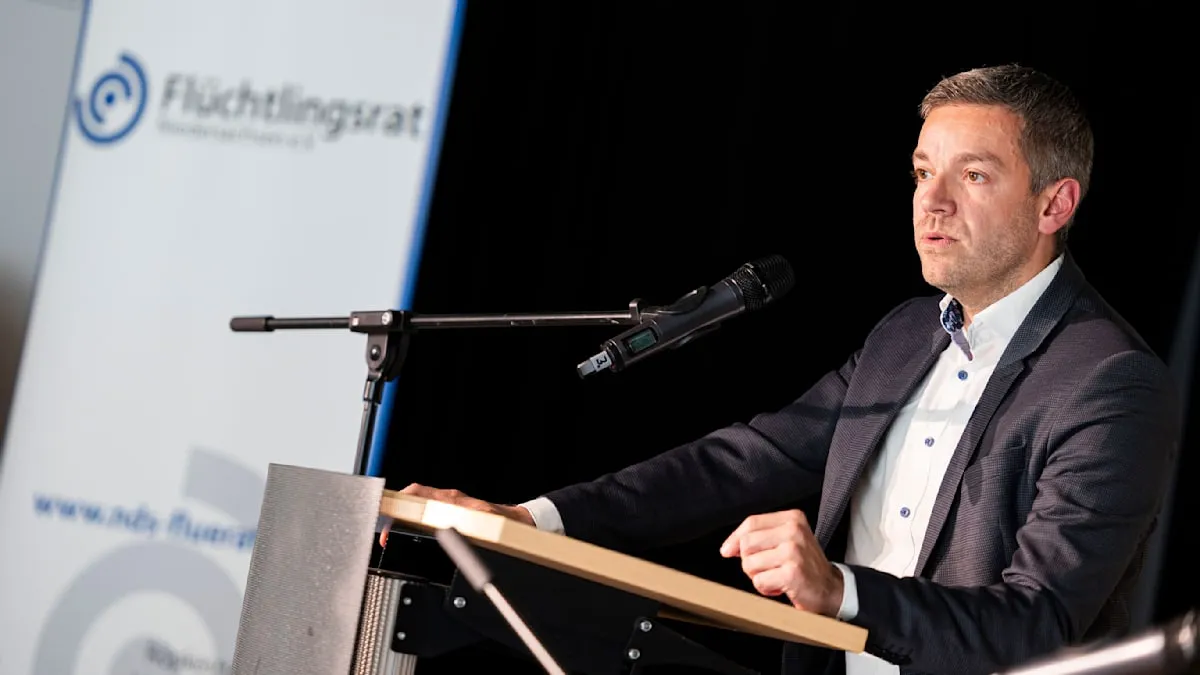
HANNOVER – Deniz Kurku, Lower Saxony Migration Commissioner from the SPD Party, recently announced his resignation following a wave of massive public condemnation. This pressure arose after it was revealed that his mother-in-law was allegedly involved in the deadly Stade attack as the driver of the getaway vehicle for the shooter.
Kurkus decision to step down was conveyed as a response to the incessant vitriol and slander he had been receiving. The case highlights the vulnerability of public officials to the indirect impacts of actions by family members, particularly in the context of sensitive issues such as migration and security.
The tragic incident in Stade, which recently shook Germany, involved a shooter carrying out a deadly attack, raising serious concerns about public safety. The developing investigation subsequently implicated Kurkus mother-in-law, who was accused of aiding the perpetrators escape, adding complexity to an already tense situation.
This indirect involvement immediately triggered a storm of criticism. Although Kurku was not personally connected to the criminal act, this family connection became an easy target for those seeking to discredit migration policies and the officials in charge. This created an unconducive environment for Kurku to continue his duties.
In his statement, Kurku emphasized that the massive animosity he faced had reached an intolerable point. The pressure not only threatened his professional reputation but also his personal and family well-being, forcing him to take this drastic step for the sake of peace.
Kurkus resignation also illustrates the high sensitivity of German politics regarding immigration and integration issues. Right-wing parties often use such incidents to fuel anti-immigrant sentiments, placing officials responsible for migration policies in a very difficult position.
The Social Democratic Party (SPD), to which Kurku belongs, expressed understanding of his decision. A party spokesperson underlined the importance of public integrity and the protection of officials from smear campaigns, while acknowledging the severity of the situation Kurku faced.
Kurkus departure leaves a void in the structure of Lower Saxony Migration Commissioner. This raises questions about the future direction of migration policy in the state and who will fill this crucial position amid a challenging political climate.
This case is not the first of its kind in Europe. Public pressure leading to the resignation of officials due to alleged family involvement in scandals or crimes has occurred repeatedly. A similar phenomenon was observed when Minister Pevkur in Estonia resigned due to the Ukrainian ammunition scandal, showing a similar pattern in modern political dynamics.
For German politics, this incident adds a layer of complexity to the debate surrounding the boundaries of personal and public responsibility, as well as the impact of social media and political polarization on an officials career. It also serves as a reminder that in the fast-paced information age, personal connections can easily become targets of attack.
Editorial Insight:
Deniz Kurkus resignation is a tangible manifestation of the domino effect that criminal incidents can have on political stability and individual reputation. This case highlights the thin line between personal and professional responsibility, especially for public officials dealing with sensitive issues. Moving forward, this incident has the potential to strengthen polarizing narratives around migration and could set a precedent for similar cases, requiring political parties and governments to be more transparent and proactive in managing communication crises involving their officials.